

20 Dogs Rescued from a House in İzmir: A Third Raid, and Still No End in Sight


In September 2025, yet another disturbing case of animal neglect came to light in İzmir’s Bayraklı district. Following complaints from local residents about unbearable odours and incessant barking, authorities carried out an inspection at a property in the Fuat Edip Baksı neighborhood.
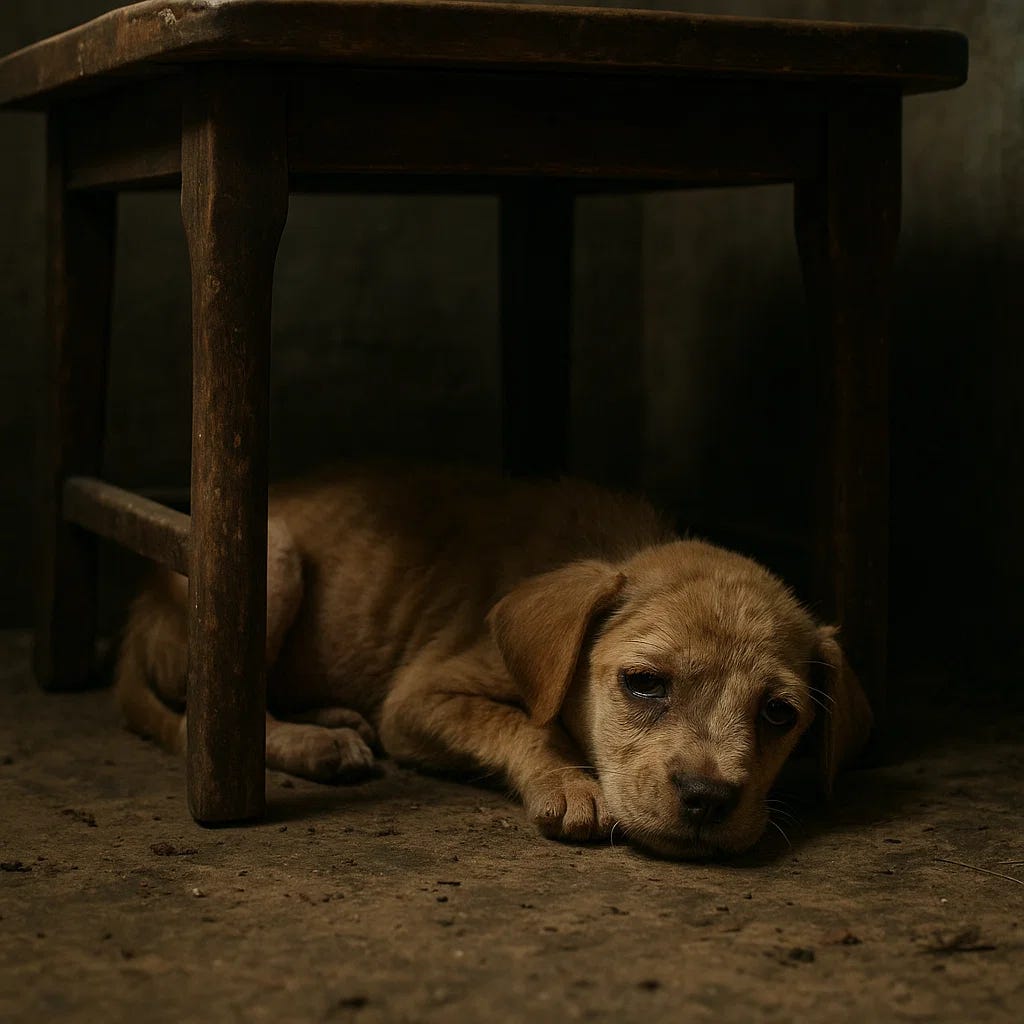
Behind closed doors, they discovered a shocking scene: 20 dogs of various breeds confined in a private residence, kept in conditions unfit for their welfare. The animals were immediately taken into custody, transferred to a municipal shelter, and handed over to HAYTAP, Turkey’s Animal Rights Federation, for protection.
For many, this might sound like an isolated rescue. But this story has a deeper, more troubling history.
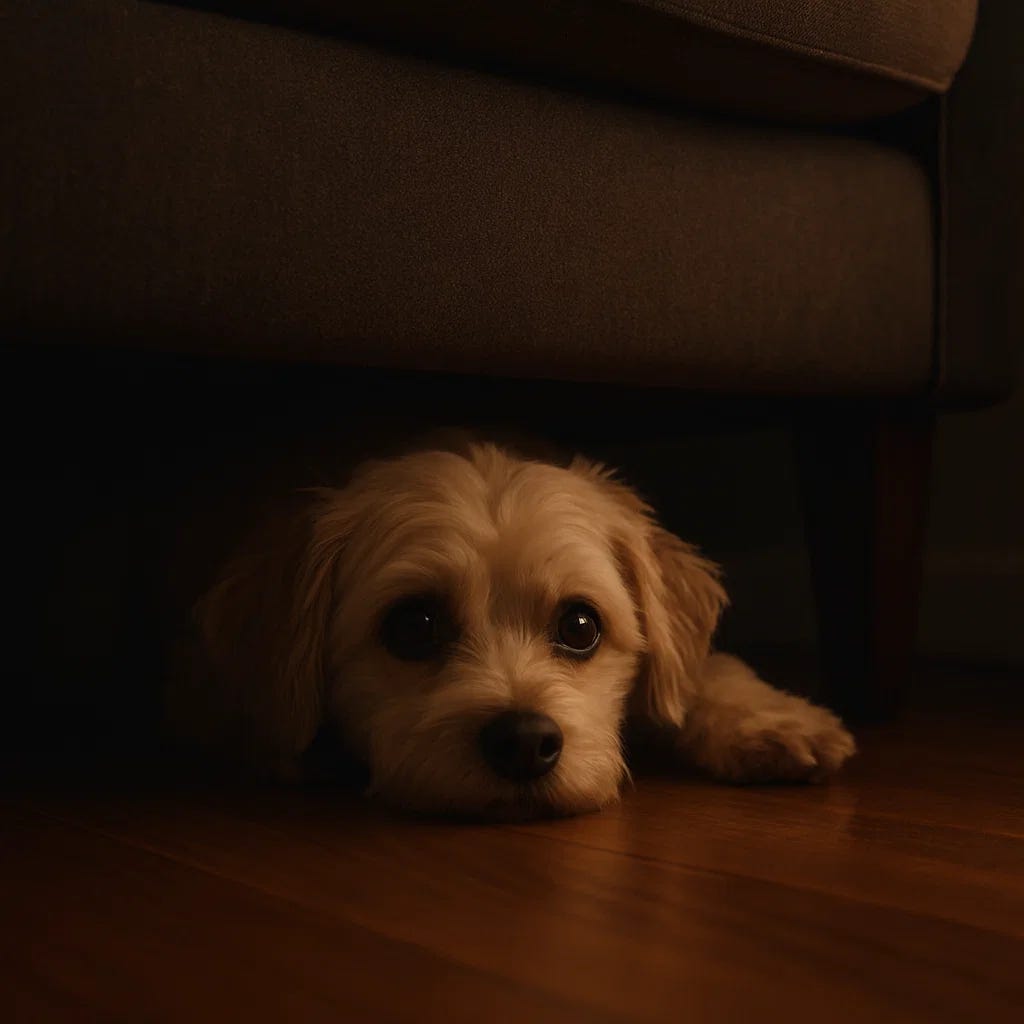
A House Under Watch and a Pattern of Neglect
This was not the first intervention at the very same address. In fact, it was the third raid in just a few years.
In the first operation, authorities rescued 37 dogs.
In the second raid, the number rose to 47 dogs.
Now, a third rescue has brought another 20 dogs to safety.
Each time, the householder, identified in reports as İlknur Ç. was found to be keeping large numbers of dogs despite a prior legal ban on dog ownership. Yet despite these prohibitions and repeated fines, the same cycle has continued.
According to animal welfare advocates, the individual was engaged in so-called “merdiven altı üretim” underground, unlicensed breeding operations. Dogs were either bred for sale or taken in from people unable to care for them, creating an environment of overcrowding, disease risk, and neglect.
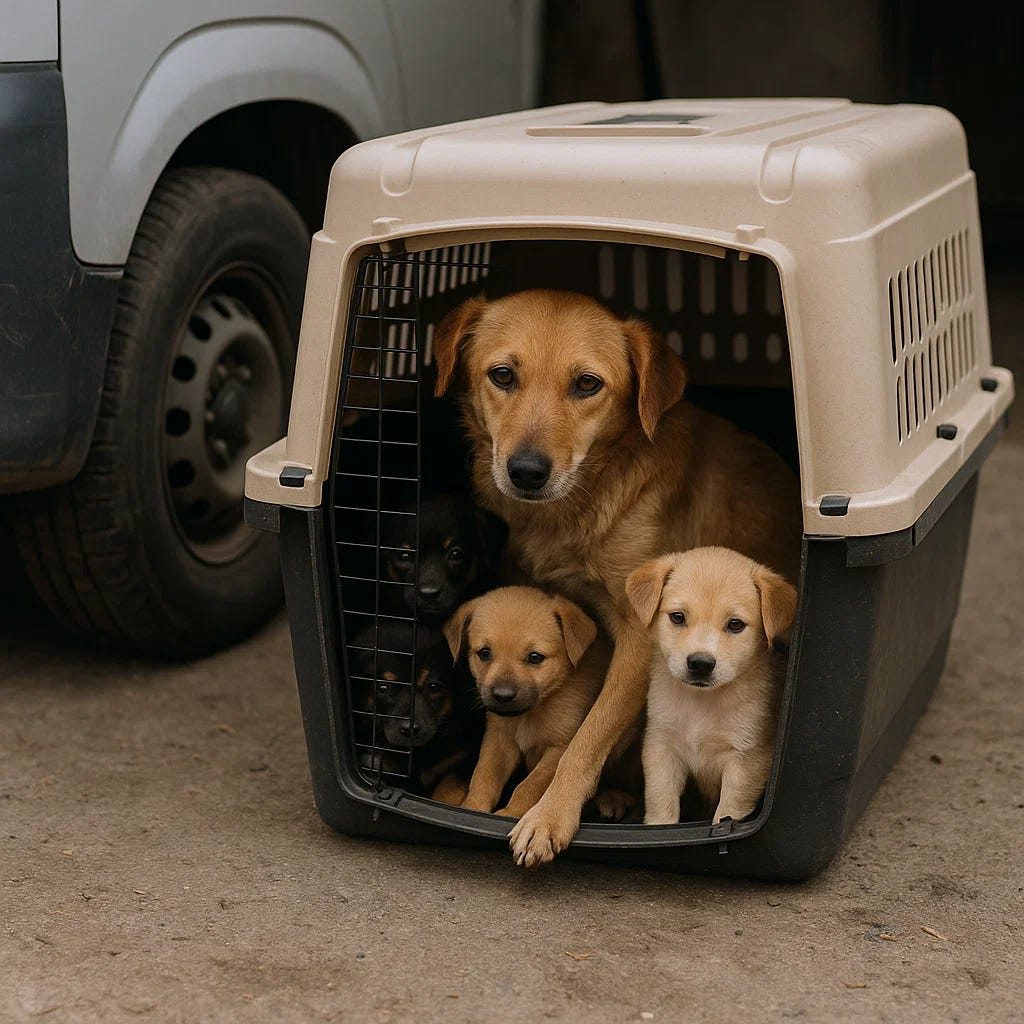
What Happened to the Dogs
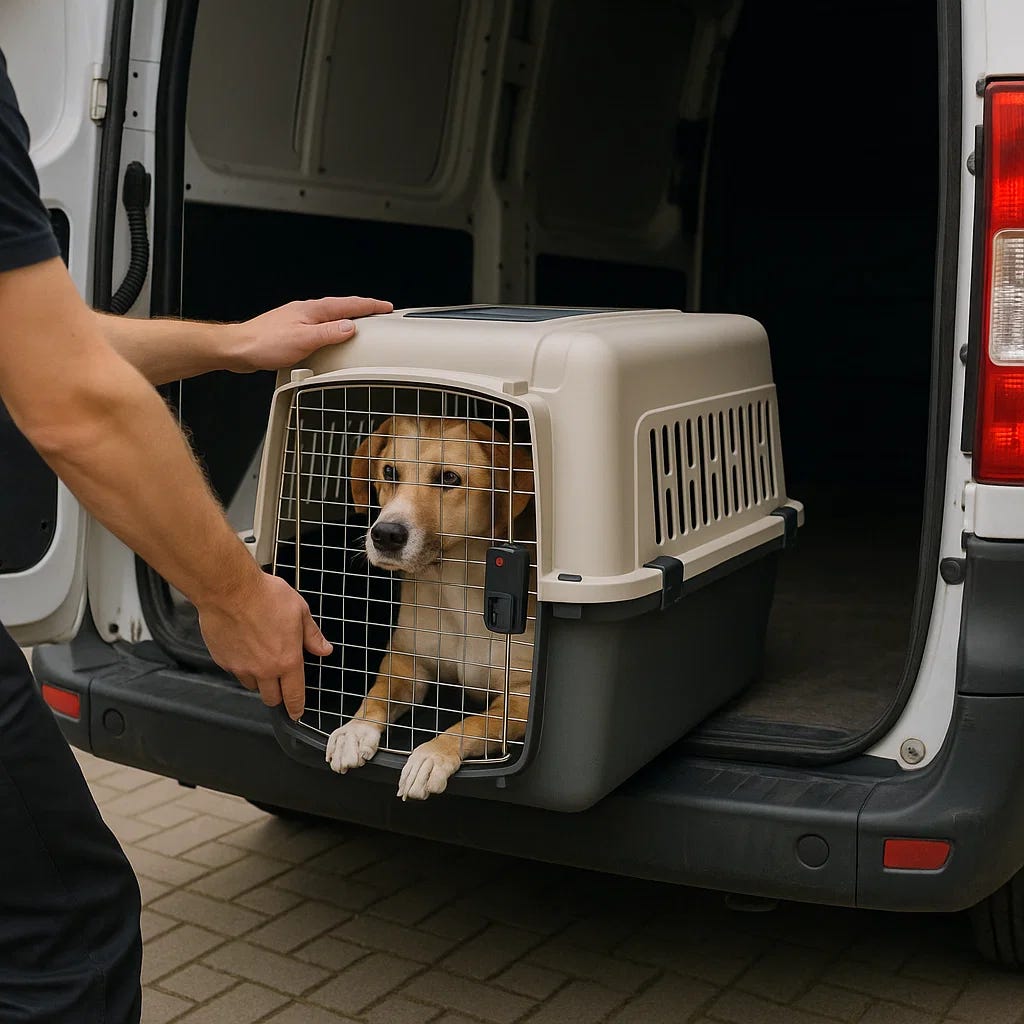
After the most recent raid, the 20 dogs were transported to Işıkkent Köpek Bakımevi, a municipal shelter in Bornova, İzmir.
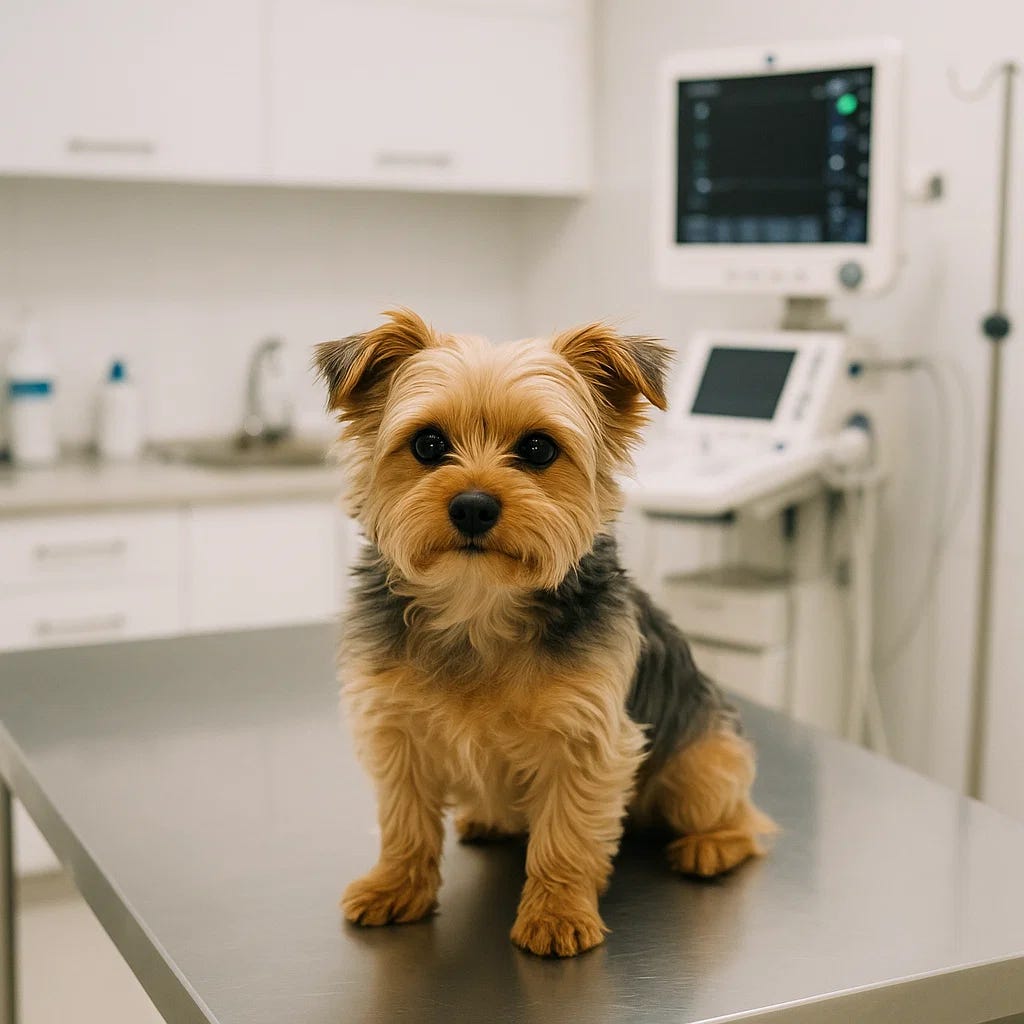
There, veterinarians carried out:
Full health checks
Anti-parasite treatments
Microchipping and registration
Assessment for possible former owners
From there, the animals will undergo rehabilitation. Many will eventually be put up for adoption into permanent homes. For some, this will mean their first chance at safety, space, and care after years in confinement.
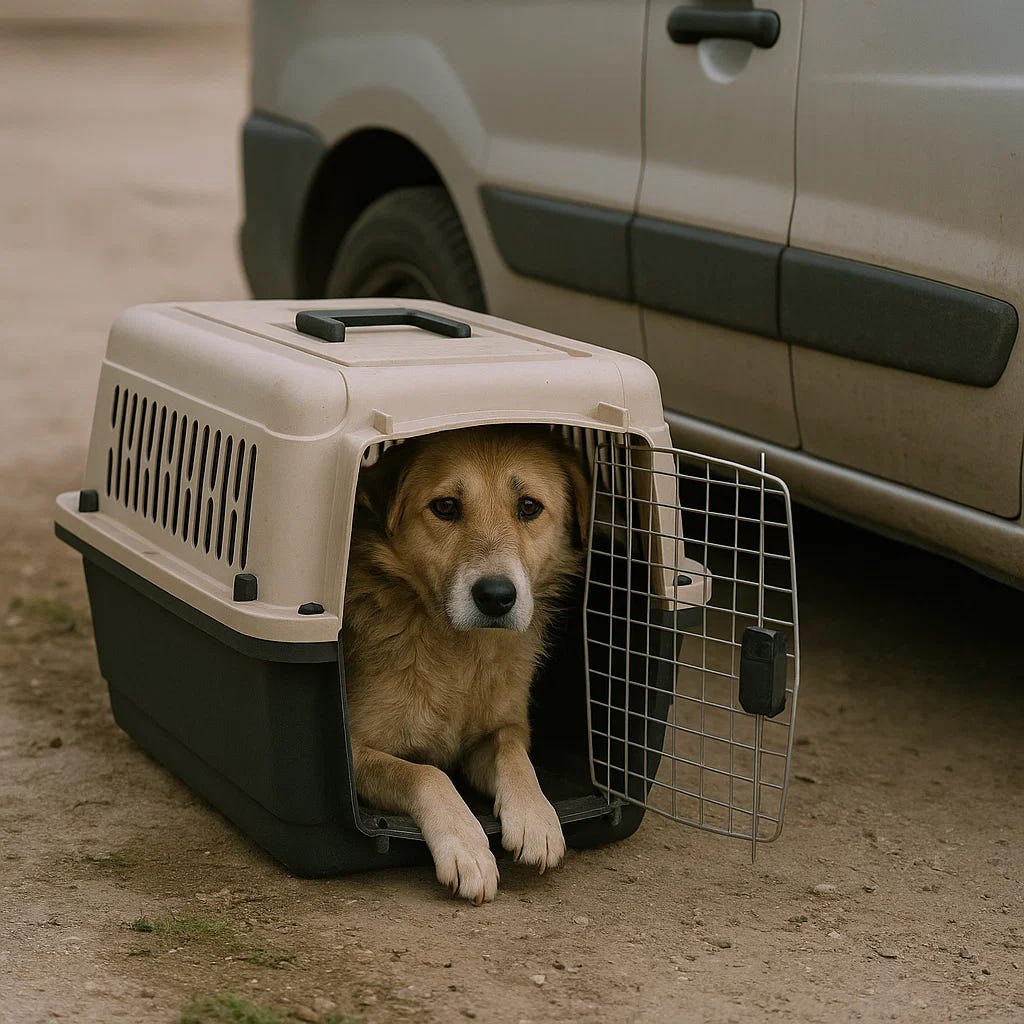
Legal Action: A Case of Fines Without Consequence?
Following the raid, the Bayraklı İlçe Tarım Müdürlüğü imposed an administrative fine. News reports vary on the figure:
Some outlets reported a fine of 830,880 TL.
Others cited a staggering 2,507,120 TL -almost the price of a house.
Either way, this represents one of the largest penalties ever issued under Turkey’s Animal Protection Law (No. 5199).
But there’s a serious problem: fines alone do not stop repeat offenders. Despite earlier financial penalties and bans on dog ownership, this same address has continued to appear in rescue headlines. Critics argue that without follow-up, collection of fines, and when necessary criminal prosecution, such individuals simply treat penalties as the “cost of doing business.”
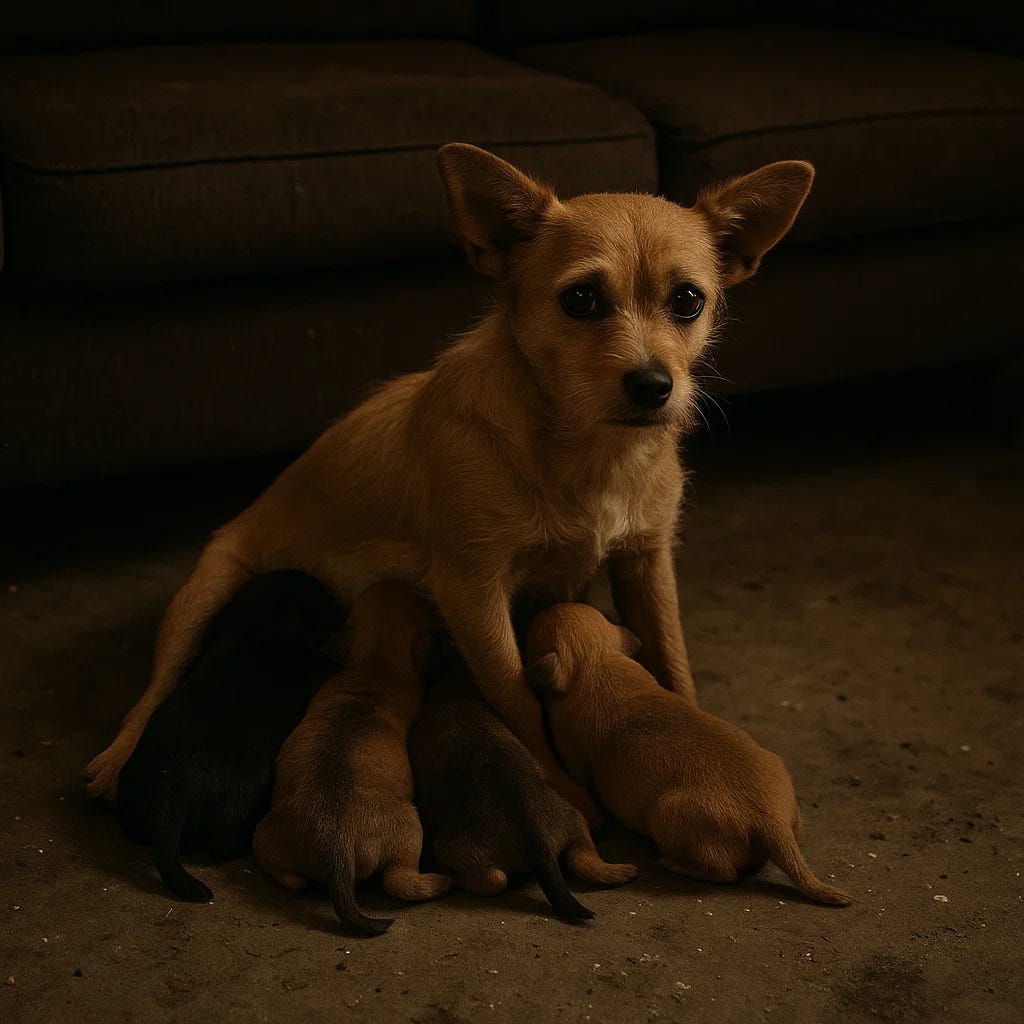
The Bigger Picture: Why This Keeps Happening
The Bayraklı case is not unique. Across Turkey, underground breeders, hoarders, and profiteers operate in the shadows. A few core issues stand out:
Weak Enforcement
Administrative fines and bans are only effective if enforced. Without consistent inspections and penalties that actually deter, repeat offenses are inevitable.Unregulated Breeding
Informal breeding, often in homes or makeshift facilities, continues to thrive. This puts animals at risk of poor health, genetic issues, and neglect, while flooding communities with dogs that may later be abandoned.Burden on Rescues and Shelters
Each time dozens of dogs are rescued, organizations like HAYTAP and municipal shelters must absorb the costs, veterinary care, food, space, and adoption work. This places enormous strain on already limited resources.Community Tension
Neighbours live with the consequences: foul odours, noise, and health concerns. Without effective legal mechanisms, communities are left to repeatedly report the same problems.
A Ray of Hope: Community and NGO Action
One positive aspect of this story is how it came to light. It was neighbours who reported the barking and odour, triggering the inspection that saved these dogs. Public vigilance, combined with the intervention of organizations like HAYTAP, is often the only way neglected animals are brought to safety.
And while the cycle of abuse continues, each rescue represents 20 lives changed. These dogs now have a chance at health, comfort, and new families. That is no small thing.
What Needs to Change
The Bayraklı case should be a turning point, a clear example of what must be done to protect animals more effectively in Turkey.
Stronger enforcement of bans and fines: Offenders who repeatedly break the law must face meaningful consequences beyond financial penalties.
Criminal liability for underground breeding: Illegal breeding operations should not be treated as minor infractions.
Better support for shelters and NGOs: When dozens of animals are seized, the resources required are immense. Municipalities and the state must provide sustained funding.
Public awareness and adoption: Rescued dogs need homes. Community members can be part of the solution by adopting, fostering, and spreading awareness.
Conclusion: Will It End Here?
The rescue of 20 dogs from a house in İzmir is both a relief and a tragedy. Relief, because these animals are finally safe. Tragedy, because this is the third time in the same place and still, the system has not found a way to stop it.
Rescue stories like this remind us of what’s at stake. Behind every headline are individual lives: animals who feel, suffer, and deserve protection. It is up to lawmakers, enforcers, communities, and all of us who care to demand more than short-term fixes.
Because every dog deserves more than survival. They deserve a life worth living.