


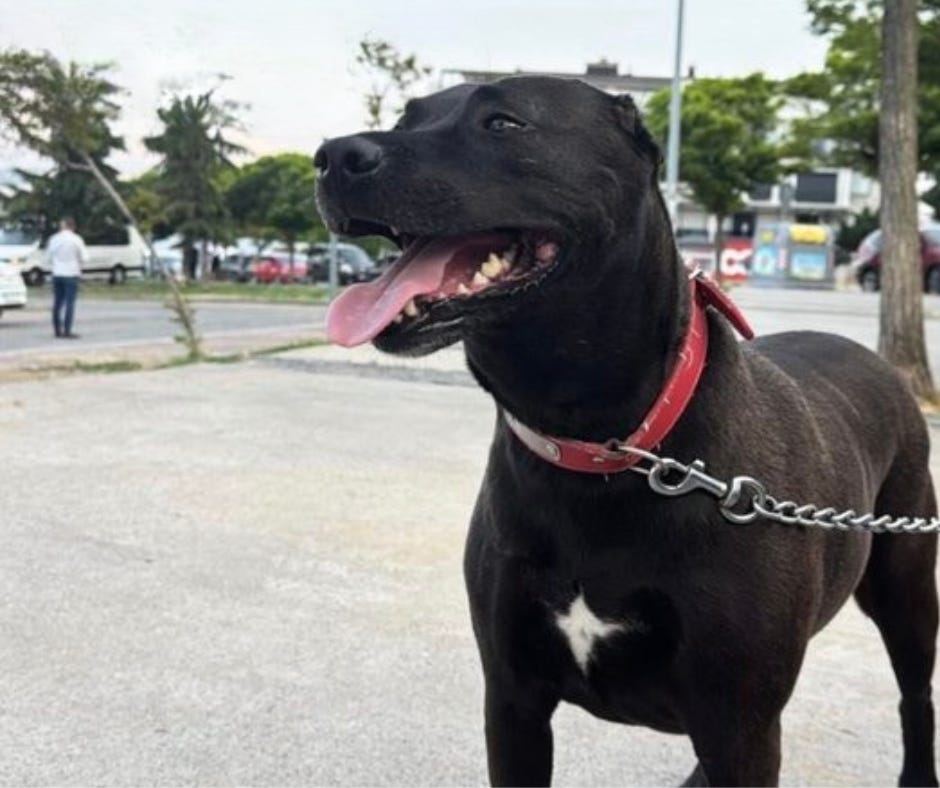
In the city of Samsun, a dog named Venus died following an intervention by municipal personnel. The circumstances surrounding her death raise serious questions not only about what happened in that specific moment, but about the wider systems governing how municipalities interact with animals living in their communities.
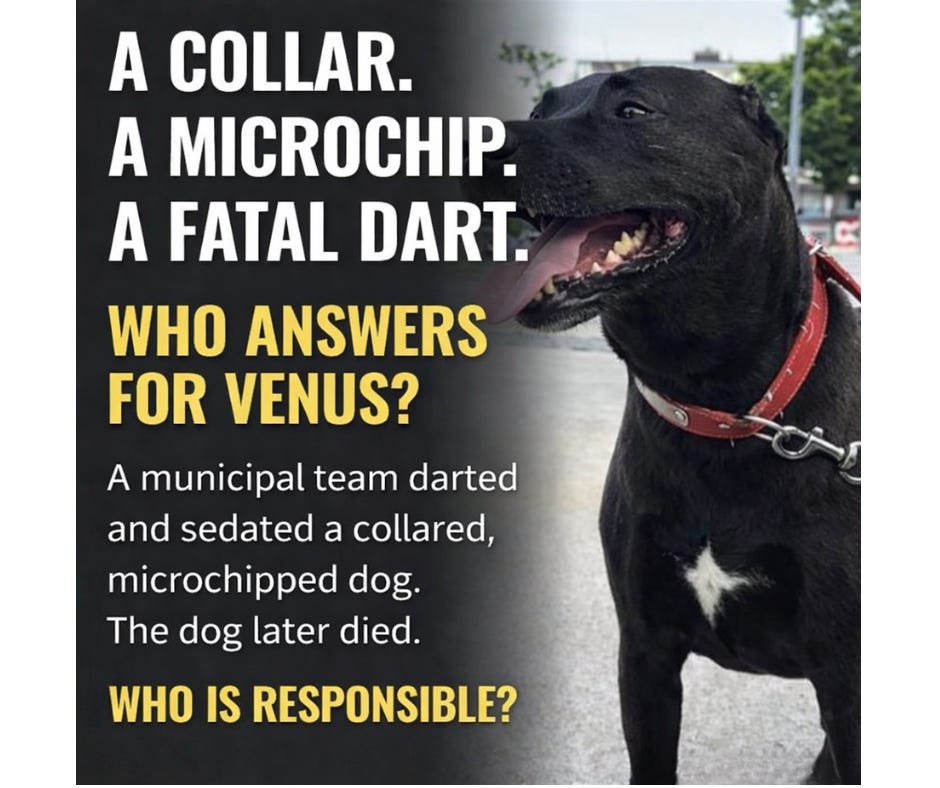
According to reports, Venus was a dog with an identifiable owner. She wore a collar and had been microchipped, indicating that she was not an unowned street dog but an animal living under the care of a family. Despite this, a municipal employee reportedly fired a tranquiliser dart at her. She later died following the incident.
The details matter, because they speak directly to responsibility.
What Happened to Venus
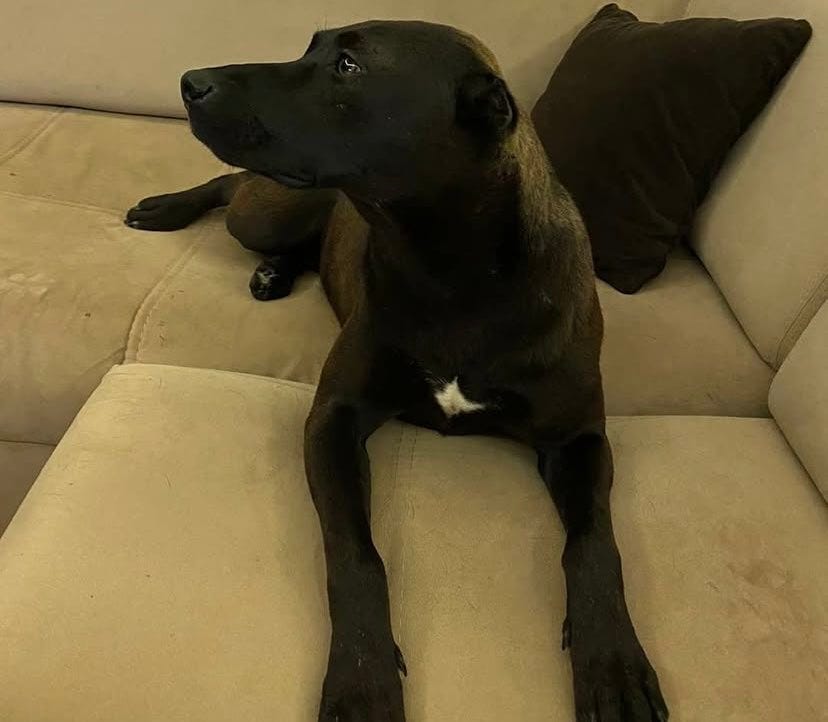
The account provided by the dog’s owner describes Venus as a calm, well-known dog in the neighbourhood, one who had been taken in from the street and lived with a family. She was reportedly wearing both a collar and had a microchip at the time of the incident.
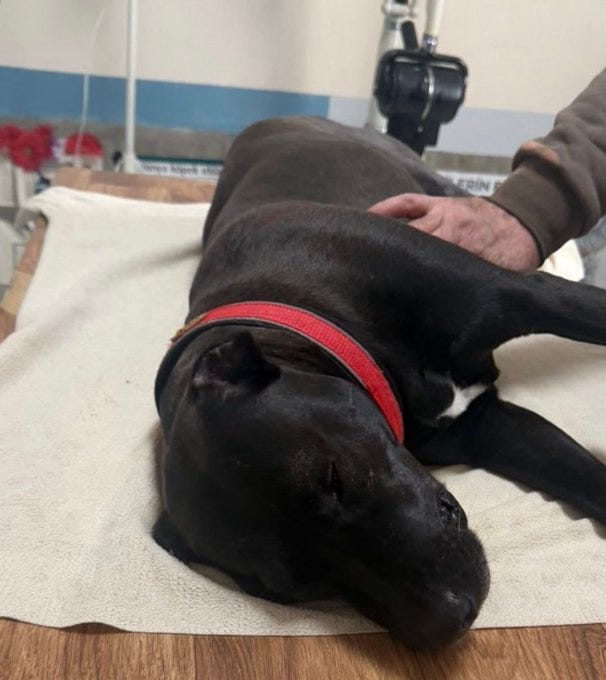
Despite this clear indication of ownership, a tranquiliser injection was administered by a member of the municipal veterinary unit. Venus subsequently died.
Her owner has since announced an intention to file a complaint with the public prosecutor, asking that the circumstances surrounding the incident be investigated.
This raises a number of critical questions.
Authority and Procedure
Municipal animal control teams are not supposed to operate arbitrarily. Their actions are governed by law and by veterinary standards.
In Turkey, Law No. 5199 the Animal Protection Law, places clear responsibilities on municipalities. Their role is not to destroy animals, but to manage them humanely through capture, treatment, sterilisation, vaccination, and return where appropriate.
The law was designed to move animal management away from killing and toward structured population management.
This is why the circumstances of the Venus case are so troubling.
A tranquiliser dart is a medical intervention. It is not simply a tool of control. It involves pharmaceuticals, dosing calculations, and veterinary judgement.
If such an intervention is carried out incorrectly or without proper veterinary supervision the risk to the animal can be severe.
In the case of Venus, the outcome was fatal.
The Questions That Follow
The central issue now is not only what happened to one dog, but whether proper procedures were followed.
Among the questions that observers are now asking:
Who authorised the tranquiliser intervention?
Was a veterinarian present or supervising the procedure?
On what basis was Venus considered a target for intervention?
Was there any record of aggression or complaint?
Were protocols followed regarding owned and microchipped animals?
These are not emotional questions. They are administrative ones.
And they deserve clear answers.
The Larger Problem
The death of Venus touches on a broader tension that has been growing in Turkey.
Municipalities face increasing pressure to manage dog populations, while communities remain deeply divided about how this should be done.
Some administrations treat dogs primarily as a public-order issue. Others approach the problem through sterilisation and long-term management.
The difference between those approaches can determine whether animals live or die.
What happened in Samsun suggests that procedures may not always be applied consistently.
When the line between control and harm becomes blurred, public trust erodes quickly.
Why This Case Matters
For many people, the story of Venus is simply about the loss of a beloved animal.
But in reality it is about something larger: the relationship between public authority and vulnerable life.
Municipal teams operate with significant power. They can capture animals, sedate them, remove them from communities, and decide their immediate fate.
With that power comes responsibility.
A city’s standards are not measured only by its roads, its buildings, or its economic growth. They are also measured by how institutions treat those who cannot speak for themselves.
The Need for Transparency
If the death of Venus is to mean anything, it must lead to transparency.
That means:
A clear investigation into what occurred
Accountability if procedures were breached
A reaffirmation of humane animal management standards
Without that, the incident risks becoming just another entry in a long list of unexplained cases.
And that is precisely what erodes public confidence in municipal animal management.
A Simple Question
At the heart of this story lies a simple question:
If a collared, microchipped dog can be tranquilised and die in the process, what safeguards exist for the rest?
Venus is no longer here.
But the responsibility for what happened to her remains.
And until that responsibility is addressed openly, the question will continue to echo beyond Samsun:
Who answers for Venus?