


In the Kayseri province of Turkey, a dog was killed by being hanged from a tree in a rural area of the Pınarbaşı district.
The incident came to public attention after footage circulated online. As is often the case, the images triggered immediate and widespread reaction.
Authorities responded.
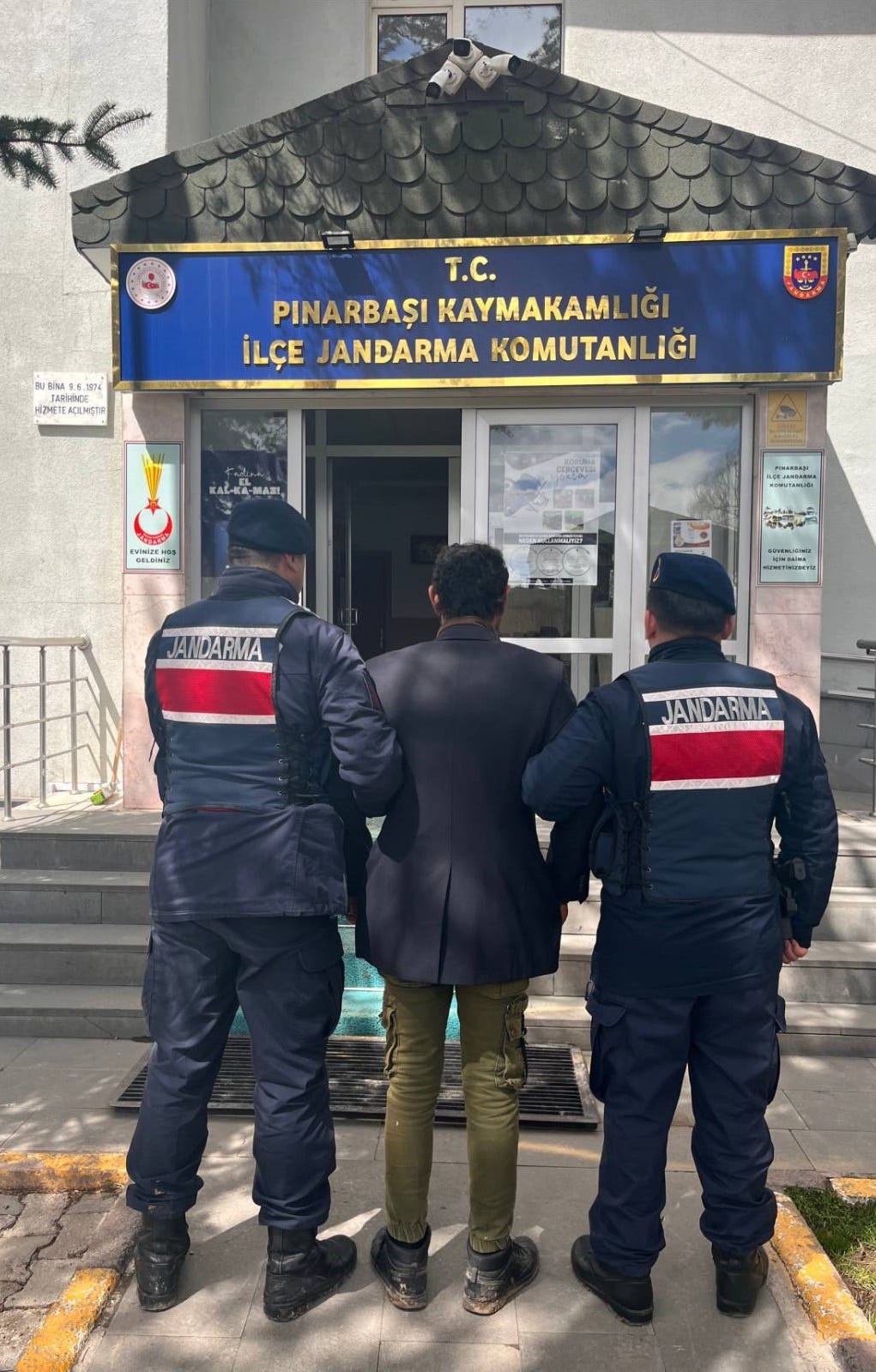
An investigation was opened by the environmental and animal protection units of the gendarmerie, acting under the direction of a public prosecutor. A suspect has since been taken into custody.
At this stage, these are the confirmed facts.
Public Reaction and the Familiar Pattern
There is a recognisable sequence to incidents like this. First, the footage appears.
Then comes outrage. Then comes pressure for action. This time, action followed quickly in the form of detention.
This arrest would most likely not have happened without the camera footage & the social media outrage
Now the question is whether the system that follows it is consistent, enforceable, and capable of preventing repetition.
Law, Enforcement, and Reality
Turkey’s Animal Protection Law No. 5199 establishes that acts of cruelty toward animals are punishable.
On paper, the framework exists. In practice, outcomes vary.
Some cases lead to detention and prosecution. Others dissipate. Some result in administrative penalties rather than meaningful legal consequences. Enforcement is uneven, and consistency remains the central issue.
The Gap Between Visibility and Protection
Incidents that are filmed and shared tend to receive a response. Incidents that are not filmed often do not.
This creates a system where visibility, rather than the act itself, determines the likelihood of intervention. It is not a protection system, it is a reaction system.
The dog in this case became visible. That visibility triggered a response.
But a functioning animal welfare framework cannot depend on whether cruelty is captured on camera.
What Accountability Actually Means
Accountability is not the detention of a suspect. It is the outcome of the legal process that follows.
It means:
A clear and appropriate application of the law
Transparency in how the case is handled
Consequences that reflect the severity of the act
Consistency with other cases of comparable harm
Without these elements, each incident becomes isolated, responded to in the moment, then absorbed and forgotten.
A Wider Context
This case does not exist in isolation.
Across Turkey, animal welfare enforcement operates within a system under pressure, politically, socially, and structurally.
Recent shifts in policy and implementation have already raised concerns about how animals are treated within official processes, particularly in relation to collection, containment, and shelter conditions.
Against that backdrop, individual cruelty cases take on additional significance. They are not anomalies. They are indicators.
If this case ends without clear consequence, it sends a message not just about this act, but about what is tolerated, what is ignored, and what ultimately carries no weight.
What happens next will define far more than this one incident.
Absolutely horrific!! 💔💔💔