A Lion Escaped in Antalya—And Was Shot Dead
What This Tragedy Reveals About Roadside Zoos

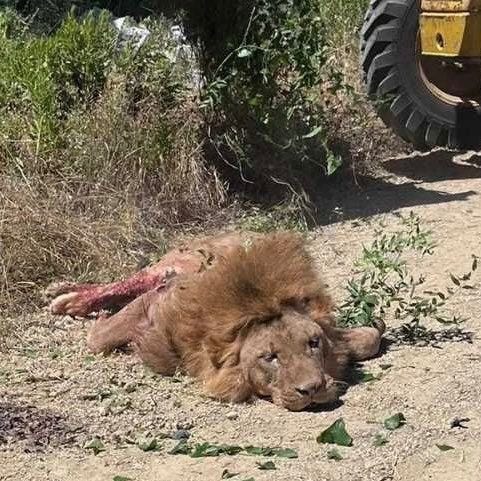
Early on a July morning in Antalya, Turkey, a lion named Zeus made a desperate bid for freedom.
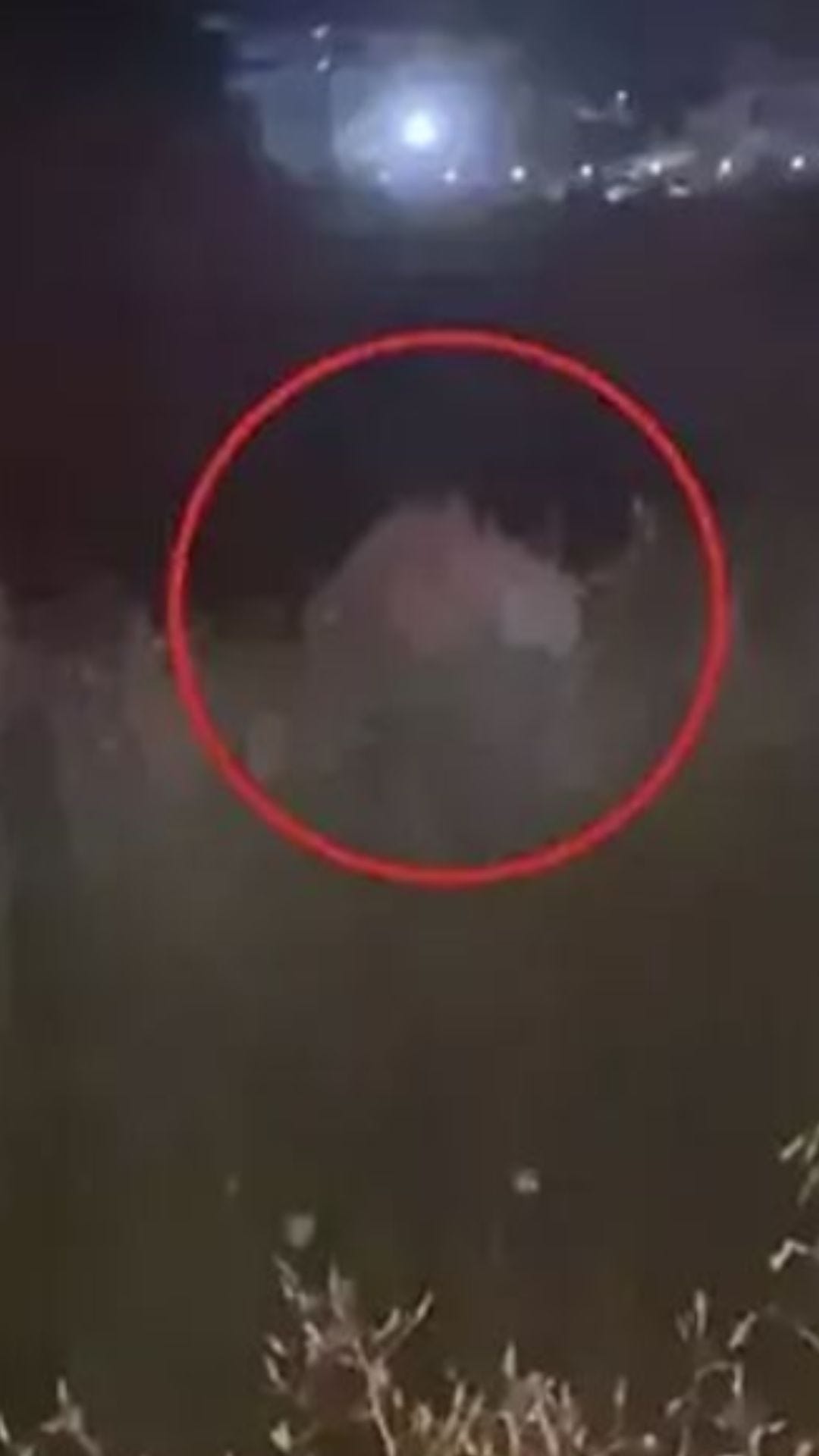
He escaped from a small roadside zoo known as the “Land of Lions,” a tourist attraction in Manavgat that boasts the “world’s largest lion family.” His short-lived escape ended tragically. Three - six hours later, Zeus was tracked, cornered, and fatally shot by authorities after wandering into a residential area and attacking a local farmer.
This is not just the story of a lion. It's the story of a broken system—one that continues to exploit wildlife under the guise of entertainment, while putting both animals and humans at risk.
Why Was Zeus Not Sedated?
1. Immediate Threat to Public Safety
Zeus had already attacked and injured a farmer, Süleyman Kir, who was sleeping outdoors.
He was roaming freely in a residential and farming area, posing a potential threat to others.
Authorities considered him a “clear and active danger.” In such emergencies, especially involving a large predator, protocols often prioritize neutralizing the threat immediately, rather than risking delay.
2. Challenges with Tranquilization
Sedating a lion safely requires:
Close proximity
Accurate dart placement
A waiting period of 5–15 minutes (or more) for the drug to take effect
Veterinary supervision and backup (which may not have been readily available in the field)
In open terrain or woodland, there’s a high risk the animal could flee after being darted, hide, or become aggressive in the sedation process. That creates a window of danger for both responders and civilians nearby.
3. Lack of Specialized Response Resources
Roadside zoos like the “Land of Lions” often operate without proper emergency protocols, and Turkish wildlife services may lack quick-response tranquilization teams—especially in rural areas. In this case, it was the police and gendarmerie, not wildlife vets, who responded.
No Comment from the Zoo
Importantly, the zoo itself has not issued a public statement, so we don’t know if:
They had tranquilizer guns or veterinary staff on standby
They tried to assist in the search or capture
They shared medical records or sedation history for Zeus
Their silence suggests either negligence or lack of preparedness.
Behind the Illusion of “Safari Parks”
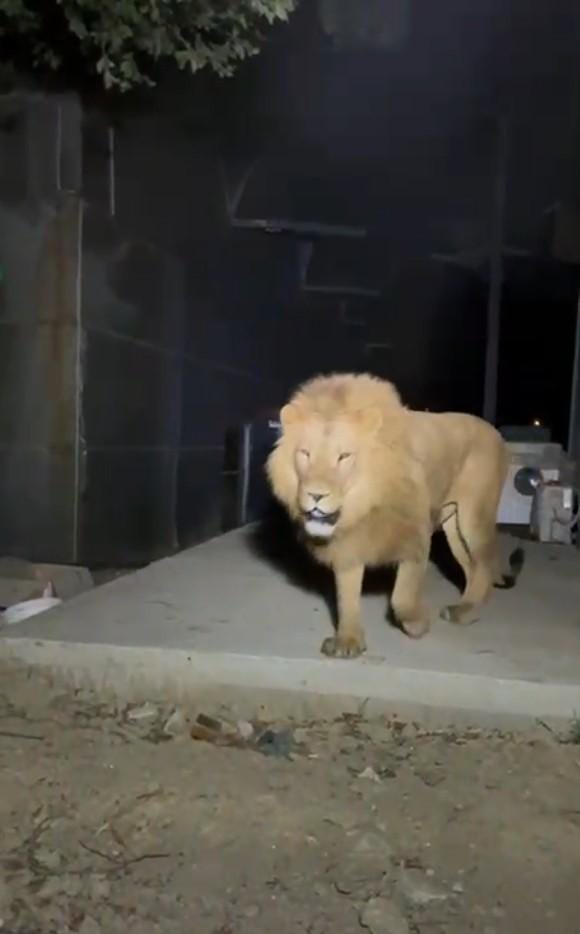
The “Land of Lions” is one of many so-called wildlife parks operating in Turkey. It presents itself as a family-friendly destination, offering photo ops with lion cubs, safari-style Jeep tours, and shows featuring exotic animals. But beneath the glossy brochures lies a deeply troubling reality.
Eyewitnesses and reviewers have described animals kept in cramped, unnatural conditions—many of them appearing distressed or sedated. Enclosures are often barren glass boxes. Cubs are passed around for photos, sometimes with little regard for their health or well-being.
The park, home to more than 30 lions as well as other large carnivores, has so far offered no explanation for how Zeus escaped.
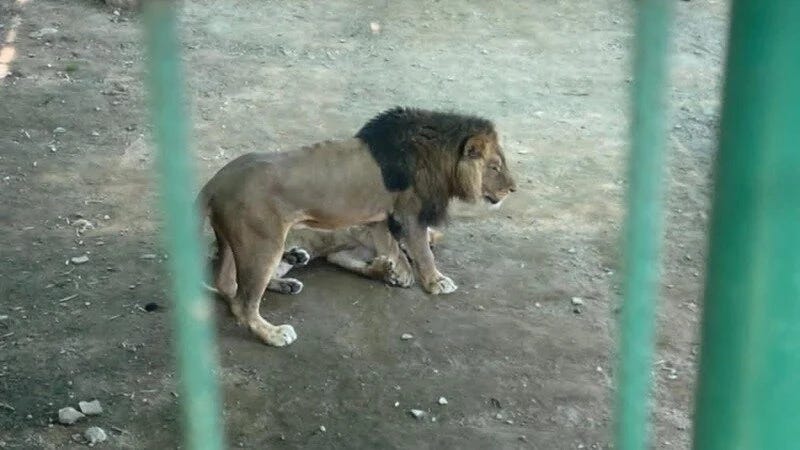
The Real Danger: Inaction
This isn’t just about one lion. It’s about an industry that thrives on spectacle, while operating in a regulatory vacuum. Turkey has thousands of small-scale animal attractions, many with minimal government oversight.
These facilities often fail to meet even basic welfare standards. Animals are confined to enclosures that deny them space, stimulation, or proper veterinary care. In many cases, they are bred for profit and displayed for photo ops, with little long-term planning for their care or ethical treatment.
When animals like Zeus escape, the outcome is almost always the same: the animal is killed. No one wins—not the public, not the animal, and not the cause of conservation.
What Needs to Change
The tragedy in Antalya must serve as a wake-up call. Governments, both in Turkey and internationally, must commit to:
Stricter regulation and inspection of wildlife attractions
Banning direct contact with wild animals for entertainment
Phasing out roadside zoos that cannot meet professional zoo or sanctuary standards
Investing in animal sanctuaries and rehabilitation centers that prioritize welfare over profit
We also need greater public awareness. Tourists should understand that posing with a lion cub or attending an animal show may directly fund suffering behind the scenes.
Zeus Deserved Better
Zeus didn’t choose to live behind glass. He didn’t choose to be bred for display, confined, or exploited for photos. And he certainly didn’t choose to die in a forest, hunted down like a threat—when the real threat was the system that put him there.
Let his story not fade quietly. Let it be a call to action.
How You Can Help Lions Like Zeus
Avoid roadside zoos and attractions that exploit wildlife
Support ethical sanctuaries and rescue organizations
Share Zeus’s story to raise awareness
Advocate for stronger laws protecting captive animals
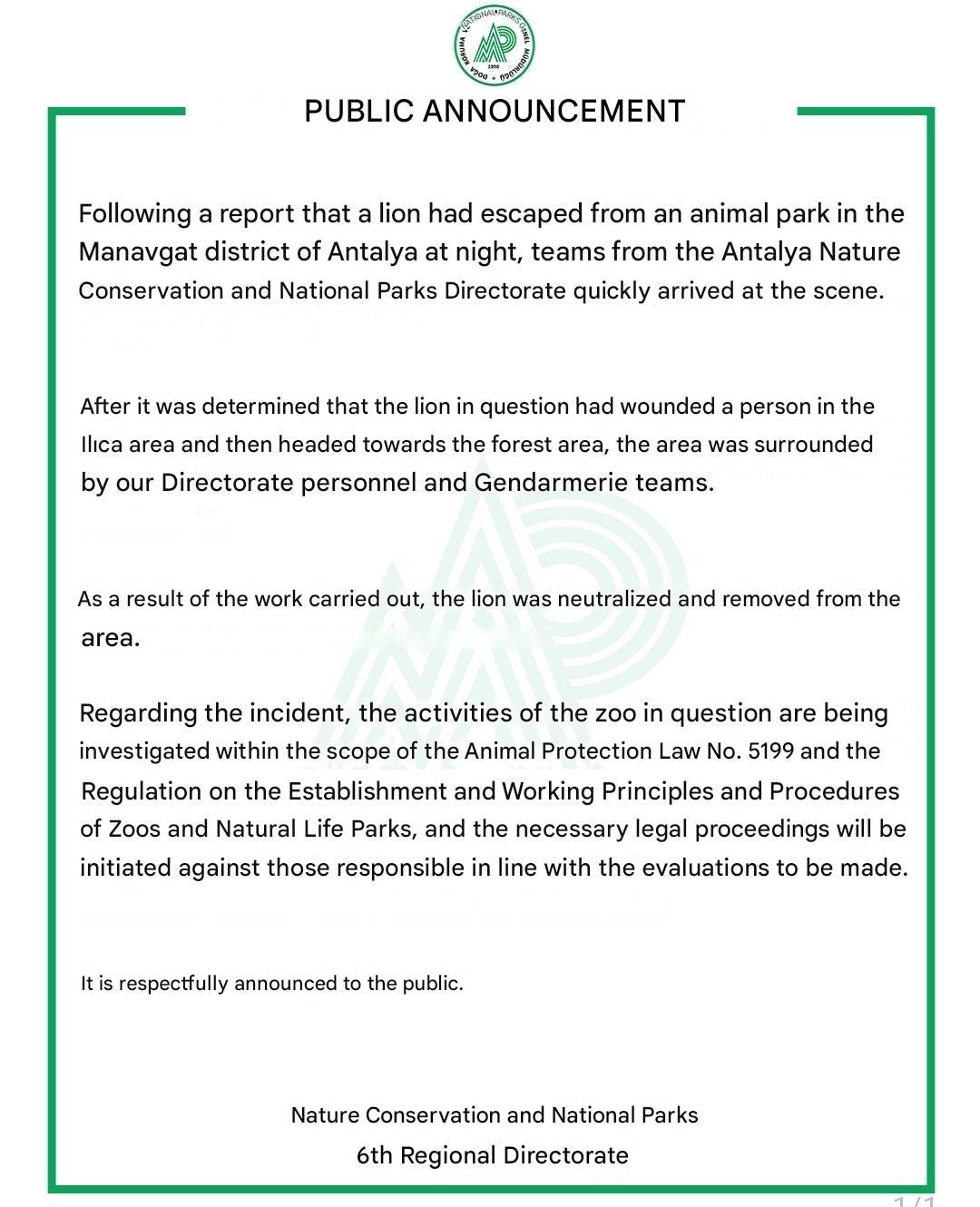
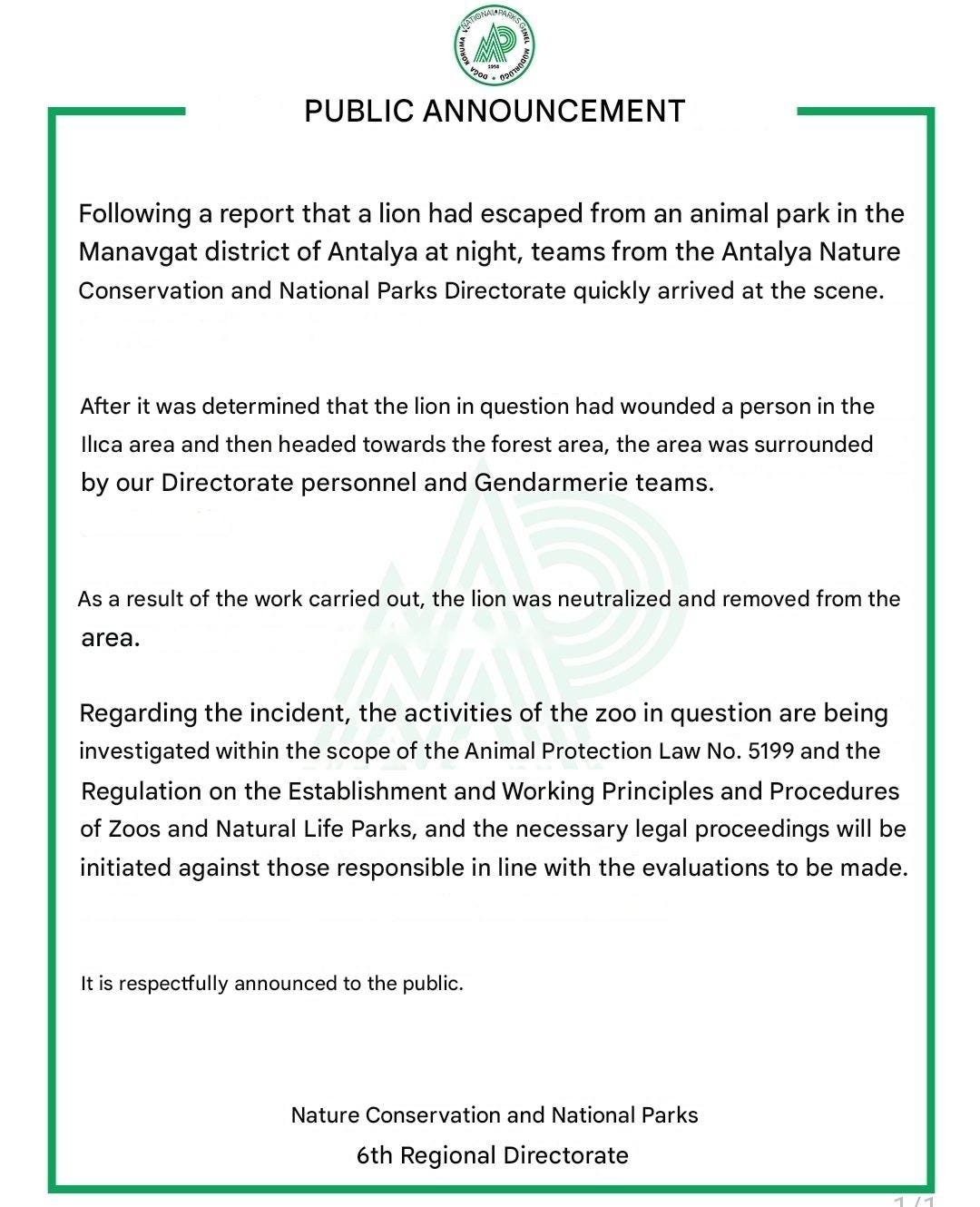
Antalya DKMP (like DEFRA in the UK) issued this statement promptly today.