


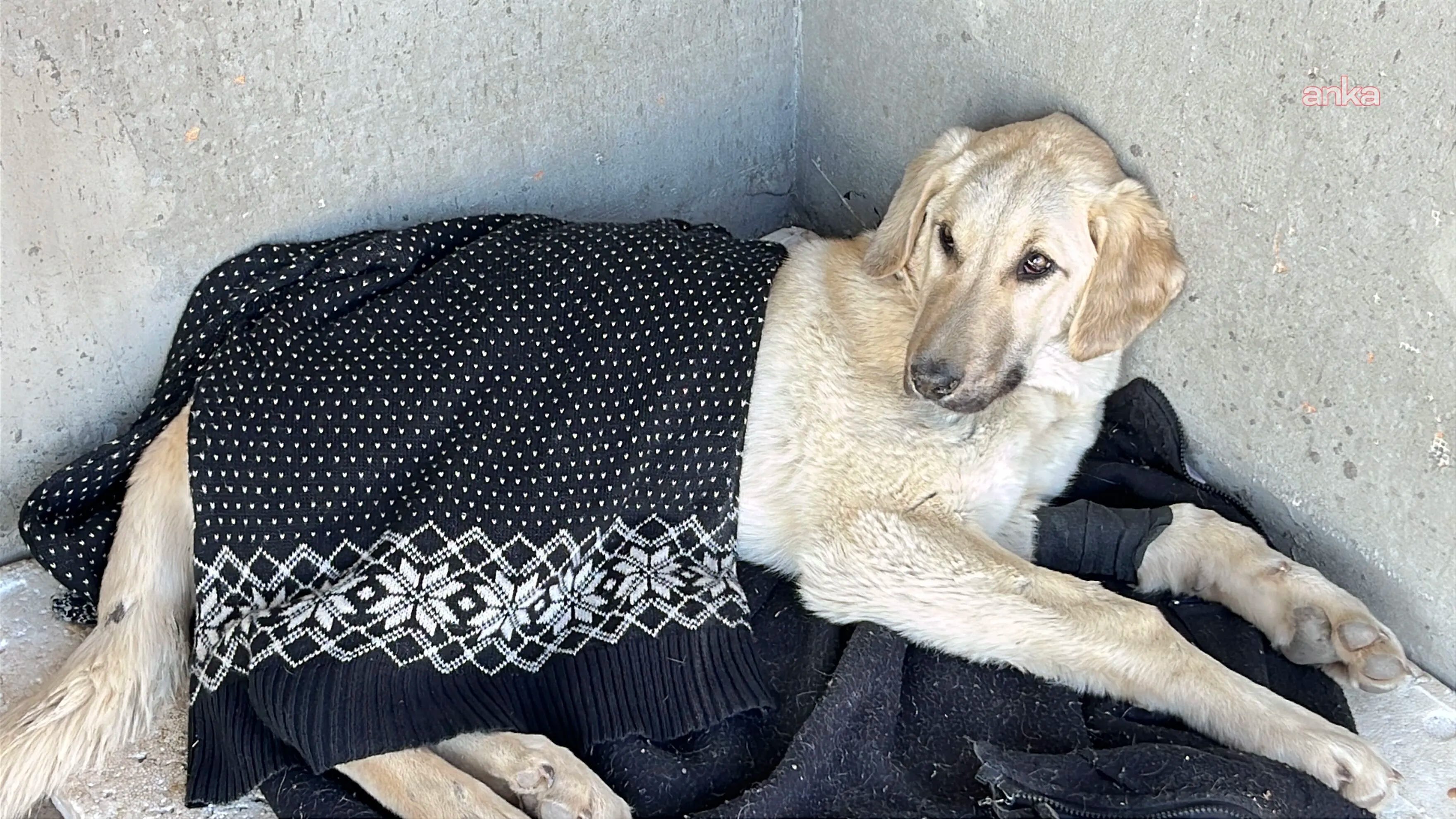
A young dog rescued from the forest in the Pülümür Valley Turkey has become the focus of serious allegations about conditions inside a municipal facility in Tunceli.
Zülfü Yümin says he found the puppy abandoned while fishing in the valley. The dog was extremely young, its eyes newly opened. He adopted the puppy, had a microchip implanted, and completed the official registration procedures required under Turkish law.
Days later, he says, the dog escaped from his home and was taken to the Tunceli Municipality Street Animals Temporary Care and Rehabilitation Center. When he learned where the dog was, he followed the official process through the Provincial Directorate of Agriculture and Forestry to reclaim him.
What he says he collected was not the healthy puppy he had adopted.
They Transformed a Healthy Dog in Five Days
According to Yümin, when the dog was returned to him, the animal’s condition had deteriorated severely. He describes facial swelling, persistent coughing, vomiting, diarrhoea, and refusal to eat.
Initially, he believed the dog had caught a cold. When symptoms continued, he suspected infection.
He has announced his intention to pursue legal action regarding the dog’s condition.
At present, he says he does not have the financial means to transfer the dog to a larger animal hospital in Elazığ and is appealing publicly for veterinary assistance.
What This Case Raises
Without independent veterinary records, it is not possible to determine where or how the infection was contracted. However, cases like this raise broader structural questions that extend beyond one individual facility:
1. Biosecurity and Intake Protocols
Municipal shelters often receive high numbers of animals in short periods. Without strict quarantine measures, newly admitted dogs can be exposed to contagious diseases such as kennel cough, parvovirus, or bacterial infections.
2. Monitoring and Record Transparency
If a microchipped, registered dog enters a municipal facility, there should be clear intake documentation, health checks, and medical records. Transparency protects both the municipality and the animal’s guardian.
3. Rapid Deterioration in Confined Environments
Stress alone can suppress immune function in dogs. Sudden confinement, high-density housing, and exposure to unfamiliar pathogens can accelerate illness in vulnerable young animals.
4. Legal Accountability
Under Turkish animal protection legislation, municipalities are obligated to provide care, not harm. If negligence is proven, criminal and administrative consequences may follow.
The Broader Context
This incident emerges at a time when municipal animal management in Turkey is under intense public scrutiny. Across the country, citizens, volunteers, and organisations have raised concerns about overcrowding, disease management, and transparency in some facilities.
At the same time, many municipalities operate under limited budgets and increasing intake pressures. The solution cannot be outrage alone. It must be:
Proper quarantine infrastructure
Transparent health reporting
Independent veterinary oversight
Clear microchip tracing and owner notification systems
Sustainable sterilisation programmes to reduce intake pressure
A Call for Measured Investigation
It is essential that any allegations are examined calmly and professionally. If the infection occurred prior to intake, evidence will show that. If it occurred within the facility due to inadequate protocols, that must also be established.
The goal is not accusation for its own sake.
The goal is prevention.
When a citizen completes official adoption procedures, implants a microchip, and follows legal channels to reclaim their dog, they should not face uncertainty about the animal’s welfare during institutional custody.
Transparency protects everyone municipalities, veterinarians, and most importantly, the animals.