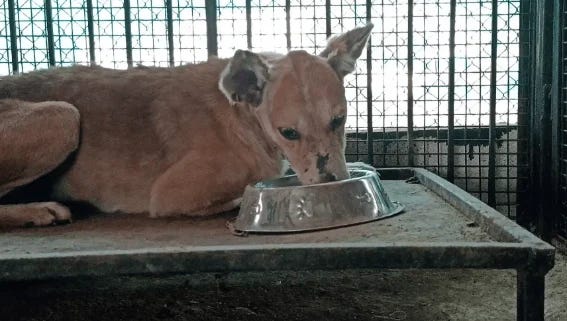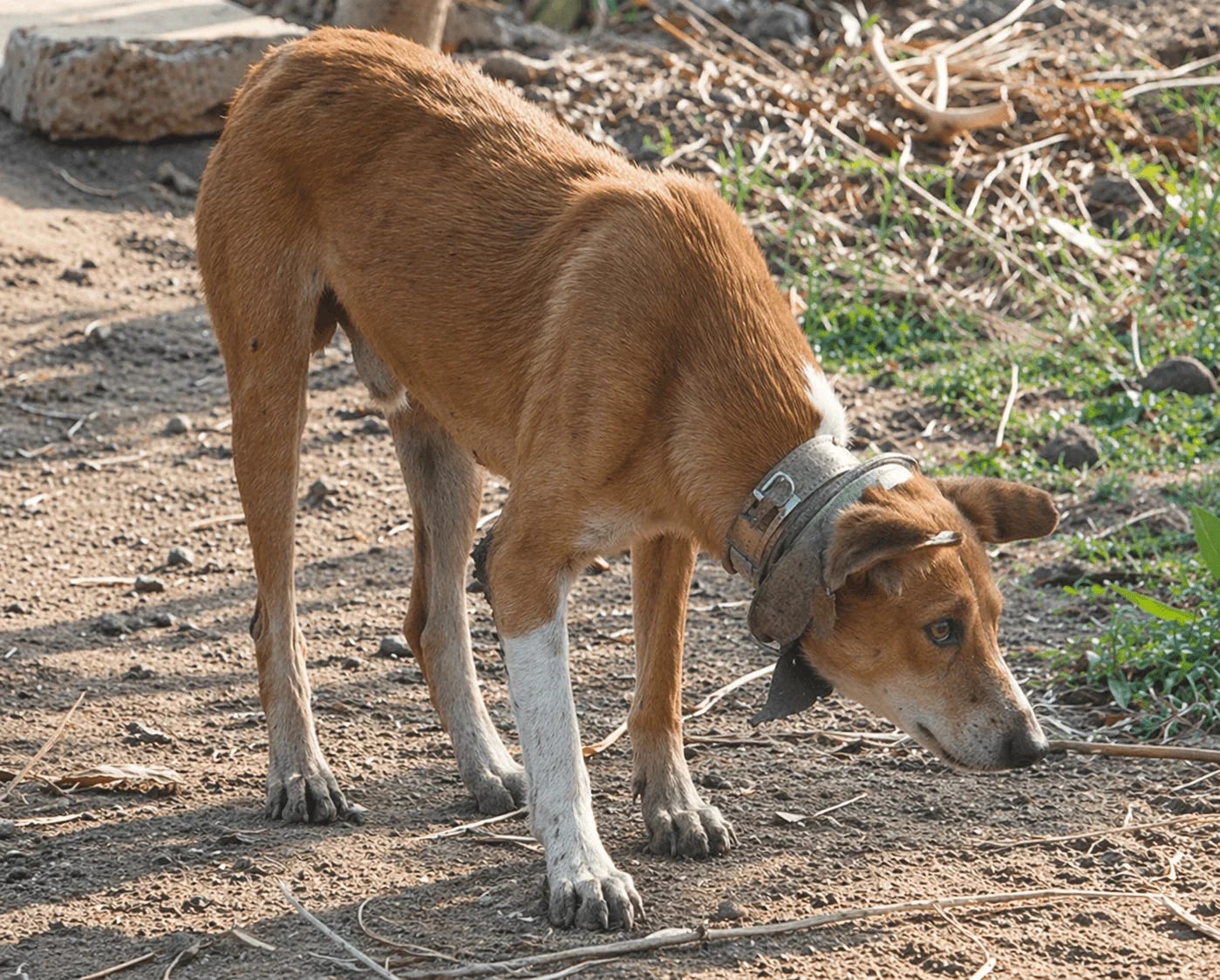
For more than four years, a community dog in Belagavi, India, lived with a broken metal kettle trapped around his neck. People had seen him, they knew he was there. But like many free-roaming dogs who survive on the streets for years, he had become difficult to approach, fearful of human contact and impossible for most people to safely help.
By the time rescuers finally reached him, the kettle’s sharp metal edges had cut deep wounds behind his ears and around his neck. The dog, now named Chala, had reportedly been carrying the kettle for more than four years before Animal Rahat rescuers were able to intervene.
One of the most disturbing parts of this story is not simply the object itself. It is the amount of time he survived like that. Street dogs are extraordinarily resilient animals. They continue searching for food, continue moving, continue adapting, even when injured or in pain. To people passing by, that survival can sometimes create the illusion that the animal is managing.
For Chala, every movement would have carried the weight of the metal around his neck. Every attempt to rest, scratch, eat or navigate daily life would have been affected by it. Yet he kept going.
Cases like this also reveal something uncomfortable about the relationship many societies have with free-roaming animals. When dogs are seen every day on streets, markets or roadsides, their suffering can gradually become normalised. Injuries that would shock people in a companion animal sometimes fade into the background when the animal belongs to the street. Over time, the extraordinary becomes ordinary. Not because people are necessarily cruel, but because constant exposure can dull urgency.
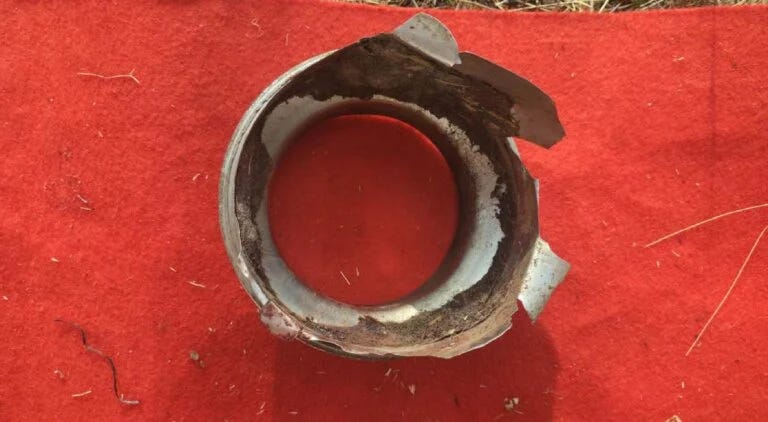
Animal Rahat said it receives calls like this almost every week involving dogs trapped in discarded waste. Containers, cans, wires, plastic rings and household rubbish become dangerous very quickly for curious animals trying to find food or investigate smells.
For growing dogs especially, objects trapped around the neck can slowly tighten and embed into tissue over months or years.
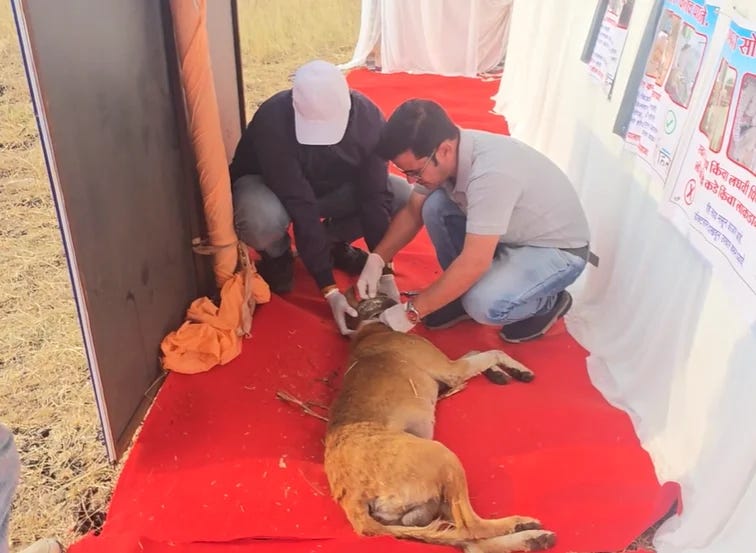
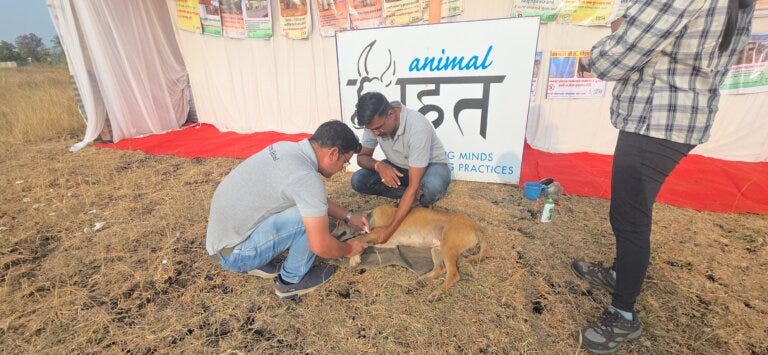
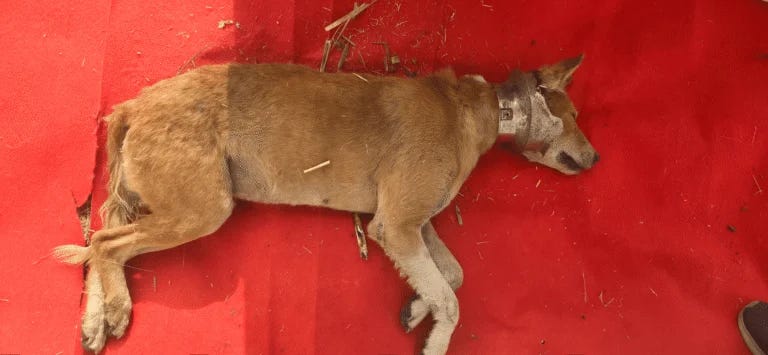
Rescuers eventually managed to sedate Chala safely and remove the kettle.
After treatment, vaccination and recovery care, he was released back into his community free from the object he had carried for years.
The images are difficult to look at not because they are graphic, but because they force people to confront how long suffering can exist in plain sight. For four years, Chala adapted to something no animal should ever have had to endure. Now, at last, he no longer has to.