


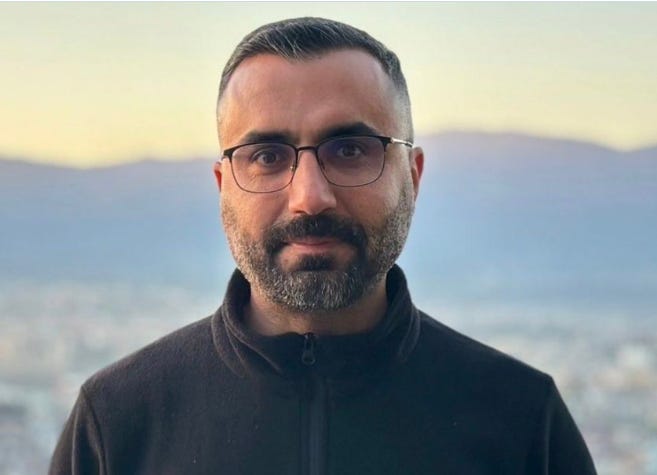
Journalist and court reporter Alican Uludağ has been released from pre-trial detention after spending approximately three months in prison. But while his release has been welcomed by supporters and press freedom advocates, the legal case against him continues.
In many countries, release from detention would signal that a case is weakening or nearing its conclusion. In Turkey, release often means something different. The immediate loss of liberty may end, but the prosecution continues, leaving journalists to face months or years of legal uncertainty.
According to reports, Uludağ was detained in February on charges linked to his social media activity and journalistic work. The allegations include offences such as insulting the president and spreading misleading information. He has maintained that his comments were legitimate journalistic criticism and reporting rather than criminal acts.
Press Freedom
Press freedom is often discussed as an abstract concept. In reality, it has practical consequences for public accountability.
Investigative journalists play a crucial role in uncovering information that governments, corporations and public institutions may prefer to keep out of the spotlight. They report on corruption, public spending, legal disputes, environmental issues, public health concerns and animal welfare matters.
When journalists face detention or prolonged legal proceedings, it sends a message not only to the individual reporter but to others watching.
The question becomes what stories will never be pursued because the risks are considered too high?
The Chilling Effect
One of the most effective forms of pressure is not necessarily imprisonment itself. It is uncertainty. A journalist facing an ongoing prosecution must continue paying legal costs, attending court hearings and living with the possibility of conviction. Even if they are ultimately acquitted, the process can become a punishment in its own right.
Critics argue that this creates a chilling effect on investigative reporting. Reporters may become more cautious about pursuing controversial stories, while editors may become more reluctant to publish material that could attract legal attention.
The result is not always censorship through direct bans. Sometimes it is censorship through fear.
Independent Reporting Matters
For those involved in animal welfare and advocacy, independent journalism is often the reason difficult stories become known at all.
Reports about municipal shelters, animal cruelty allegations, environmental damage, corruption or failures in public services frequently begin with journalists asking uncomfortable questions and following evidence wherever it leads.
Without independent scrutiny, many issues never reach public attention. Regardless of political views, a society benefits when journalists can investigate matters of public interest without fear of detention or criminal prosecution for carrying out their work.
The Case Continues
Uludağ’s release is undoubtedly positive news for his family, colleagues and supporters. But the story is not over.
The trial remains active, and its outcome will continue to be watched closely by press freedom organisations both inside Turkey and internationally.
For now, the case serves as a reminder that freedom is not measured solely by whether someone is behind bars. It is also measured by whether journalists can investigate, question and report without the constant threat of prosecution hanging over them.
And that question remains unresolved.