
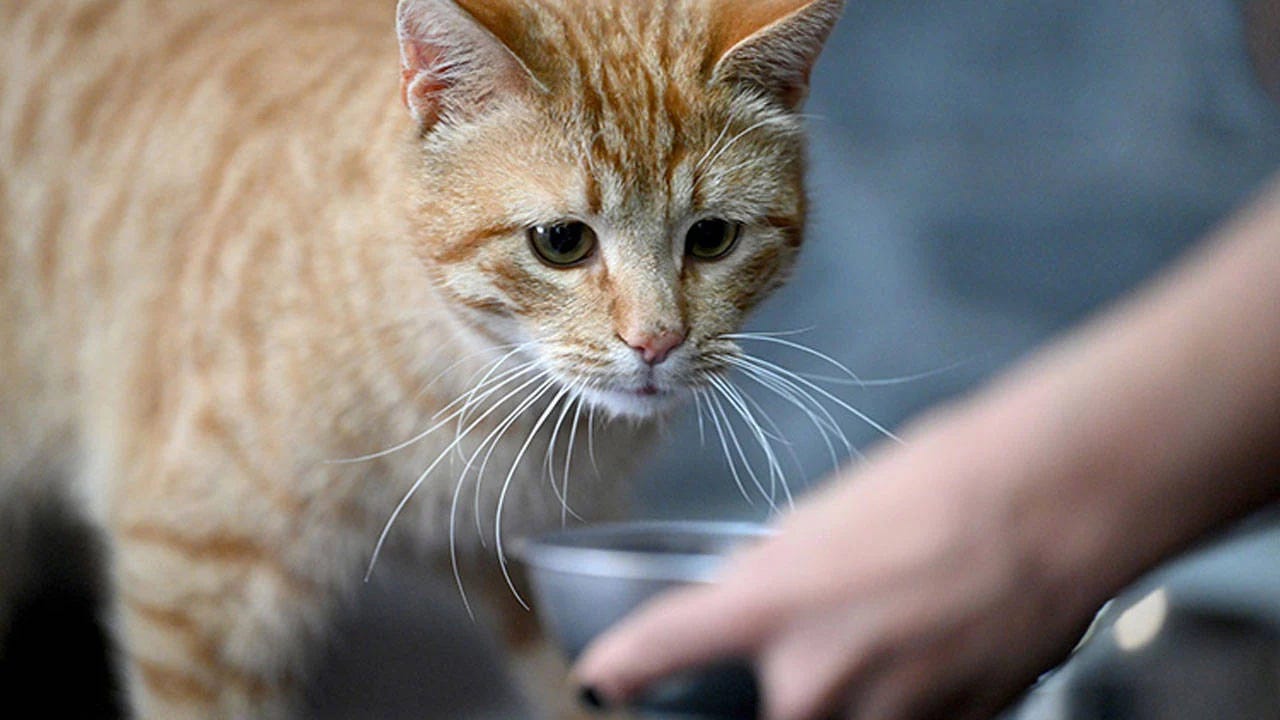
In İzmir’s Çiğli district Turkey, a woman was assaulted, threatened, and targeted by neighbours because she cared for street cats living around her apartment building. According to statements, threats were allegedly made not only against the cats, but against the woman herself and her visually impaired brother.
This is not simply a dispute about feeding animals. It is about what happens when hostility toward animals begins normalising hostility toward humans too.
The woman stated that an apartment manager’s tried to force entry into her home and assaulted her. Witnesses also alleged threats were made to kill the cats. One reported threat referenced her disabled brother directly, allegedly saying: “Your brother is blind, shall we make one of you crippled too?”
The allegations are deeply serious. And they reflect something increasingly visible across Turkey’s current atmosphere surrounding street animals: the collapse of social restraint.
Animal Hatred Does Not Stay Contained
One of the most dangerous misunderstandings in public discourse is the idea that violence toward animals exists separately from wider patterns of aggression.
Criminology research has repeatedly shown links between animal cruelty, intimidation, coercive behaviour, and broader violent tendencies. While not every person hostile toward animals becomes violent toward people, societies that normalise cruelty toward vulnerable beings often begin tolerating intimidation more generally.
That is what makes stories like this alarming. The threats here moved rapidly beyond complaints about cats themselves:
Threats directed toward a disabled family member
Attempts to isolate and pressure the woman socially
Removal/disappearance of cats
Efforts to force her from her home
Public targeting within the apartment environment
This is the language of domination, exclusion, and fear.
“The Cats Are The Problem” Is Becoming A Dangerous Social Cover
Across Turkey over the last year, public rhetoric surrounding street animals has become increasingly aggressive. Terms implying infestation, contamination, danger, or cleansing have entered mainstream discussions. In some environments, hostility toward feeders and carers now appears socially acceptable in ways that would once have been shocking. That matters. Because once a group of people become labelled as obstacles, nuisances, or enemies for showing compassion, harassment becomes easier to justify socially.
The woman at the centre of this case stated she kept the area clean and that the cats could not realistically disturb other residents due to the layout of the property.
But by that stage, this no longer appeared to be about hygiene or practical concerns. It appeared to become about punishment.
The Disappearance Of The Cats Should Alarm Authorities
One of the most disturbing aspects of the reports is that multiple cats were removed and their whereabouts withheld. One witness claimed that 11 cats had been taken away after discussions among residents.
This cannot simply be dismissed as neighbour disputes.
When animals disappear in hostile environments where threats have already been made, authorities should be treating this seriously.
Because violence toward animals often escalates gradually:
verbal hostility
intimidation
threats
disappearance/removal
direct harm
Intervention matters before escalation reaches the final stages.
Feeding Animals Is Being Reframed As Provocation
Perhaps one of the bleakest developments in modern Turkey is that feeding a hungry animal is increasingly portrayed by some people as antisocial behaviour deserving retaliation. This represents a profound moral shift.
For decades, care for street animals formed part of everyday social life across many Turkish communities. Elderly women feeding cats outside apartment blocks was not considered radical behaviour. It was ordinary.
Now, in some environments, compassion itself appears to be treated as provocation. That should worry everyone. Because societies become dangerous very quickly when empathy is recast as weakness deserving punishment.
This Needs Proper Investigation
If the allegations reported are accurate, this case requires serious investigation not only regarding assault and threats, but regarding the fate of the missing cats. Authorities should identify:
what happened to the animals
whether criminal intimidation occurred
whether disability-related threats were made
whether organised harassment took place
whether laws protecting animals were violated
Because these incidents are never just about cats. They are warning signs about social behaviour, aggression, and the erosion of restraint inside ordinary residential environments.
And once societies normalise cruelty toward the vulnerable, the circle of who counts as acceptable targets rarely stays small for long.


