
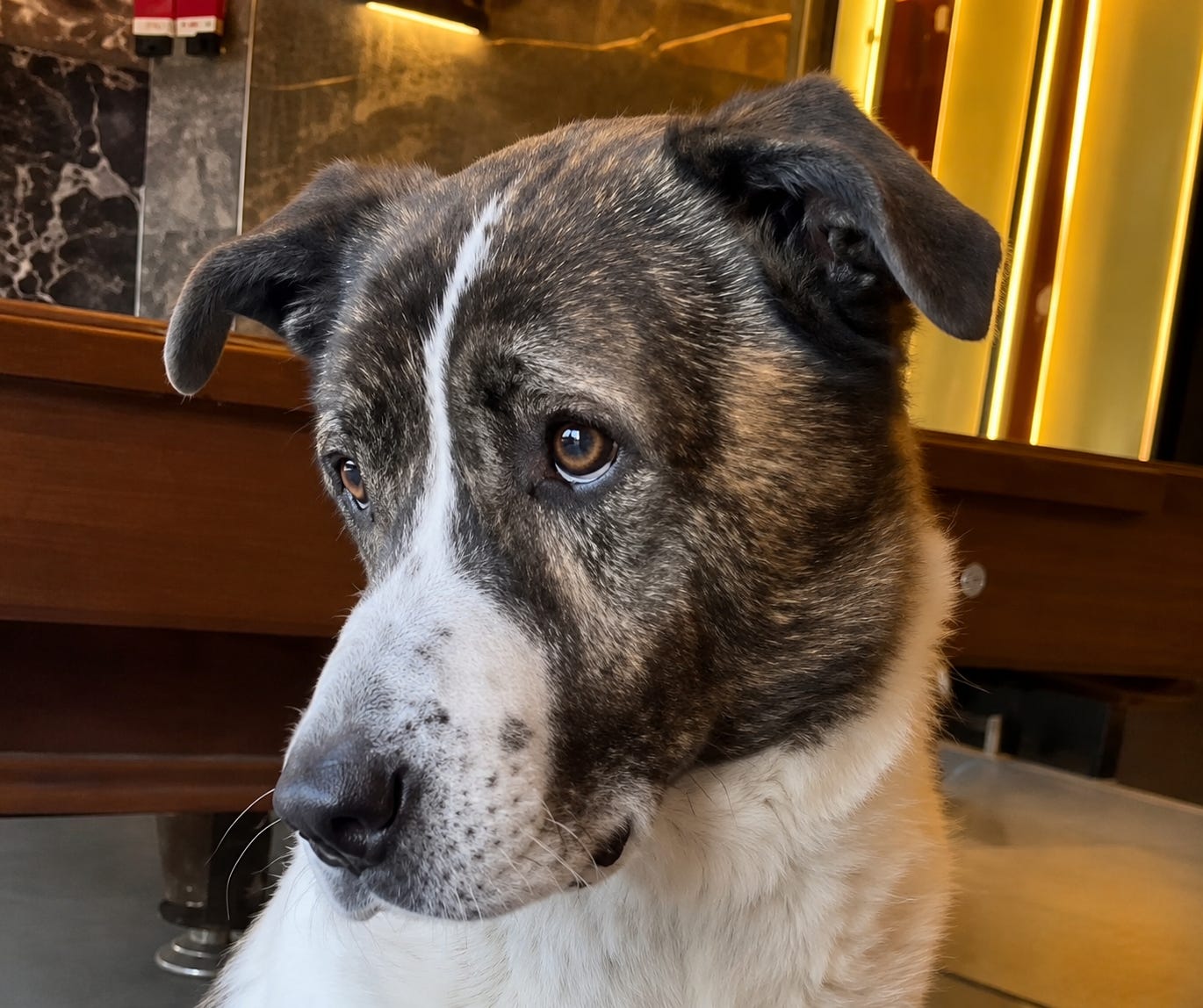
Alaş, Owned for 10 Years & Microchipped Dies After Being Taken To Municipal Shelter By Dog Catchers
A family from Esenyurt in Istanbul has asked for an independent inquiry after their microchipped pet dog was discovered dead in a local animal shelter a few days after he had gone missing.
The dog named Alaş had lived with a family for about ten years disappeared on 26 July
The family claim that Alaş was incorrectly picked up by the municipal teams even though he was a dog that belonged to someone and had a microchip, since he was not a stray. They state that after four days had passed, a staff member from the shelter got in touch with them and sent them a video showing that Alaş was at the Esenyurt Municipal Animal Shelter. Upon visiting the shelter, they were told that he had died.
The reports state that the shelter staff informed the family that Alaş had died as a result of multiple organ failure. However, the family denies this account and is requesting an independent veterinary examination to find out what caused his death. They have also asked for an official inquiry into the circumstances of his capture, treatment and death.
The account given by the family contains several other allegations, such as the claim that Alaş was taken into the shelter even though he was already microchipped, that shelter records were made for him as if he had been a dog with no owner, that he was given an ear tag after entering the shelter, and that they were first shown another dog before being informed that Alaş had died. These claims have not been independently verified.
The case has caused considerable public concern in Turkey, with many people asking how a dog that is owned and apparently microchipped could have ended up in the municipal shelter system and died just a few days later.
Dog Desk Animal Action has not been able to find any public statement from the Esenyurt Municipality in reply to the family’s allegations at the time of publication. The article will be updated if the municipality sends out a response or gives further information.
No matter what the result of any inquiry may be, the case does result in broader issues concerning the identification of dogs that are owned during municipal collection activities, the way in which information from microchips is handled, the transparency of veterinary records, and the ability of families to get independent post-mortem examinations in cases where an animal dies in municipal care.
Just as in every instance of this kind, Dog Desk Animal Action thinks that it is essential to be transparent. It is important not only for Alaş’s family but also for keeping community confidence in the systems which are in charge of the care and protection of animals after they have been taken off the streets.


