

Among the Dead: The Horror Shelter Dogs Face

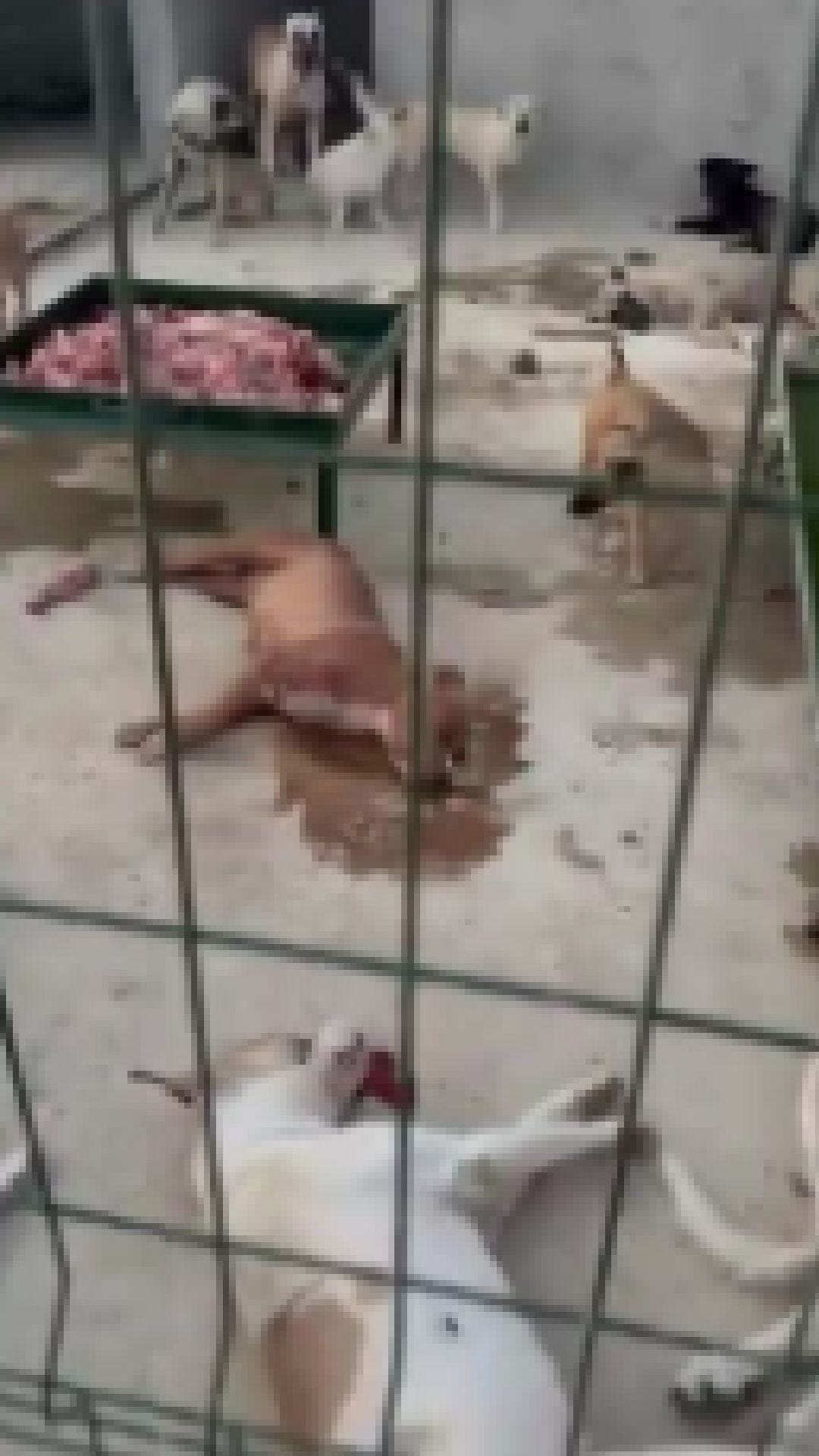
In a place that should have been a refuge, horror unfolded.
At the municipal shelter in Suruç, Şanlıurfa, Turkey, an unspeakable atrocity took place—one that has left kind people shocked, heartbroken, and outraged.
Allegations have surfaced that dogs at the shelter were poisoned, and the aftermath paints a picture of suffering too horrific to ignore. These allegations have not been proven & thus far no statement has been made by the municipality.
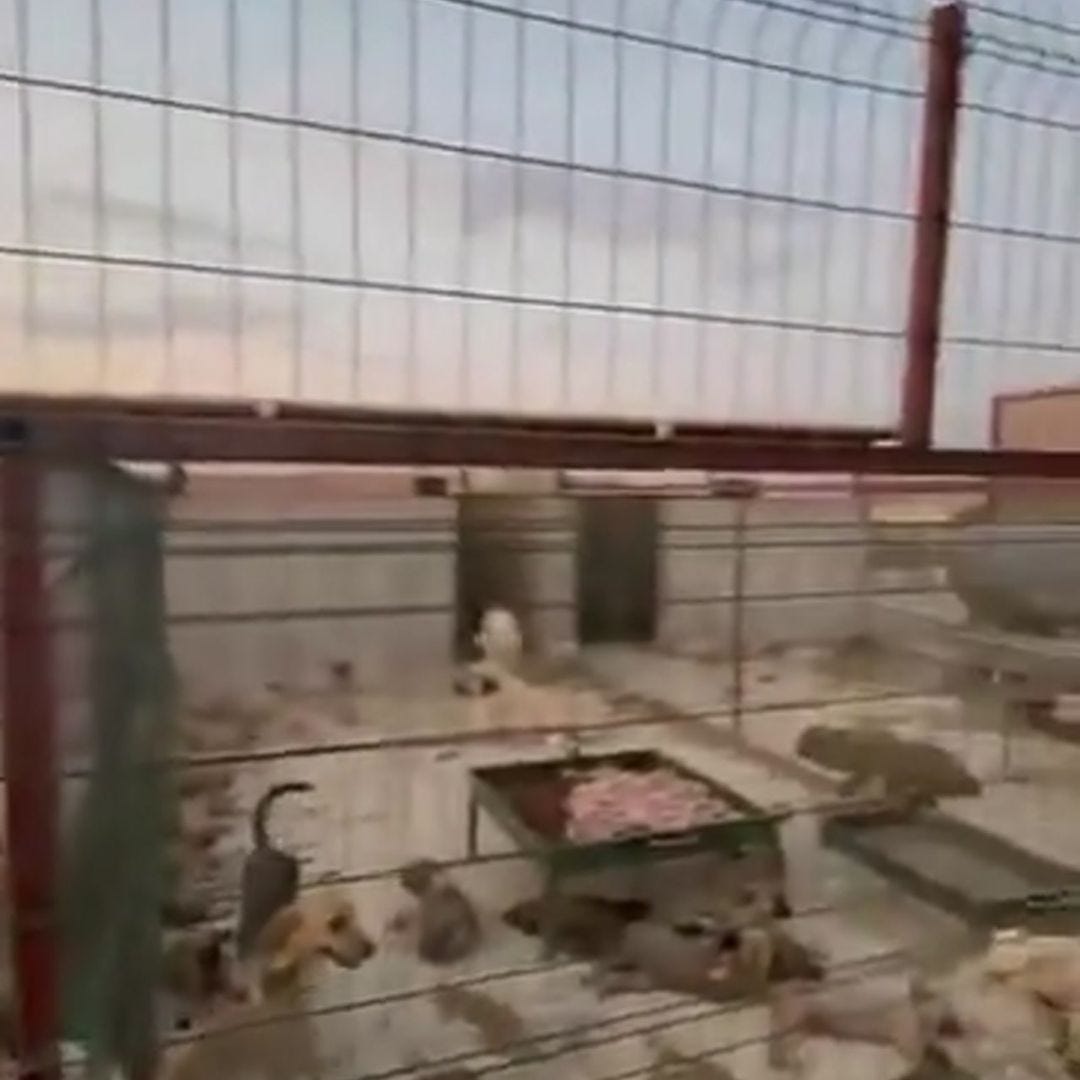
But where were the staff, why were the dogs not helped & why were dead dogs left among the living?
The Psychological Toll on Live Dogs
Dogs are sentient beings. They experience fear, grief, and confusion. When forced to remain in close proximity to the bodies of deceased kennel mates, they can become visibly distressed. The scent of death, the stillness of what was once a companion, and the unnatural environment contribute to extreme emotional trauma.
Dogs may whimper, cower, stop eating, or fall into a state of apathy. Some begin to self-harm or exhibit signs of psychological breakdown. This is not just conjecture—it is repeatedly observed by animal welfare professionals.
Health Risks and Disease Transmission
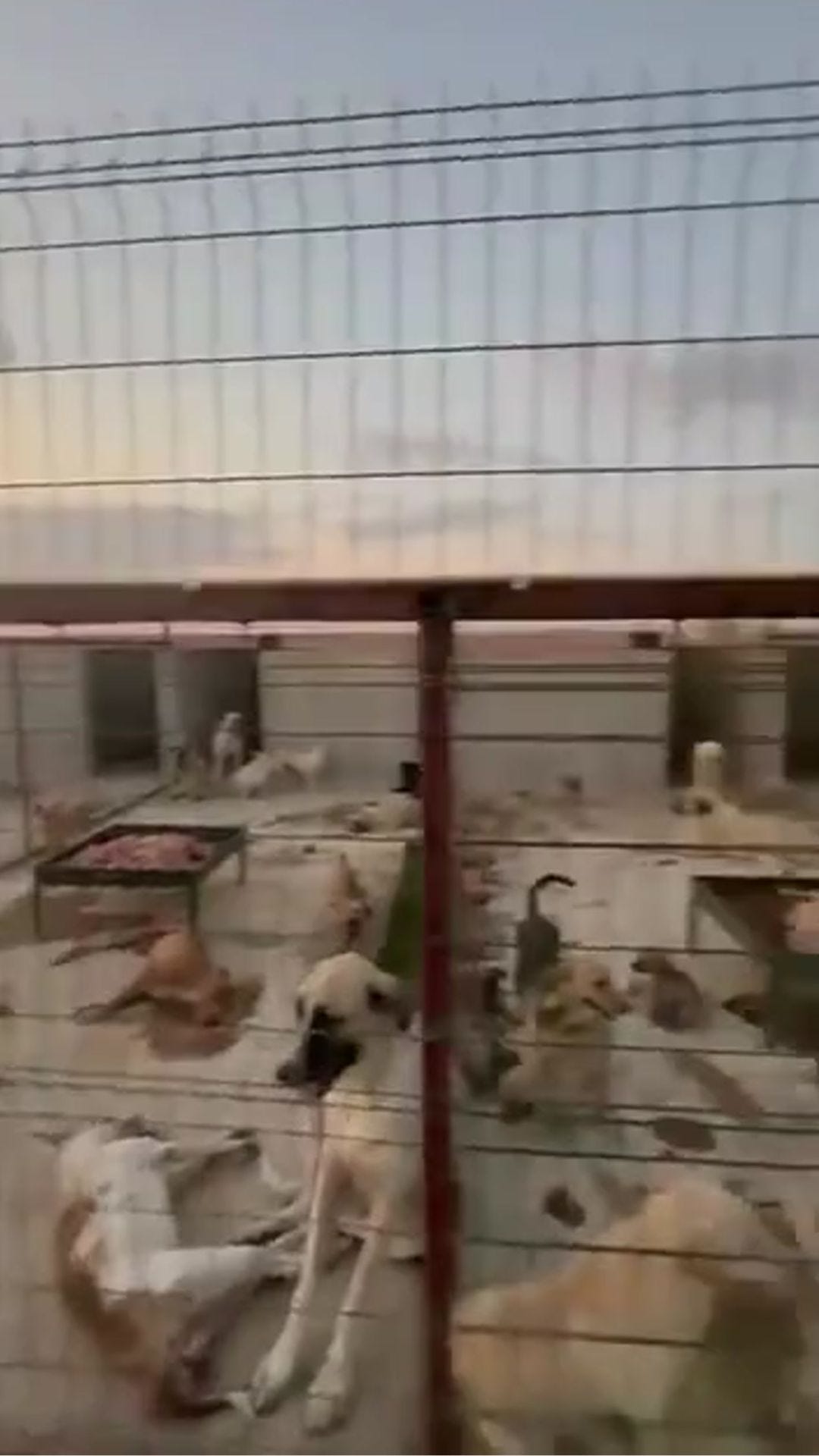
Beyond the emotional and psychological damage, there are serious health implications. The presence of a decaying body in a confined space creates an environment ripe for the spread of disease. If the deceased dog died from an infectious illness such as distemper, parvovirus, or kennel cough, the risk of transmission to healthy dogs is incredibly high.
Decomposition also brings with it a host of bacteria and airborne pathogens, which can further compromise the already fragile immune systems of shelter dogs. This is especially dangerous in shelters where vaccinations and veterinary care may be inadequate or unavailable.

What This Says About Shelter Standards
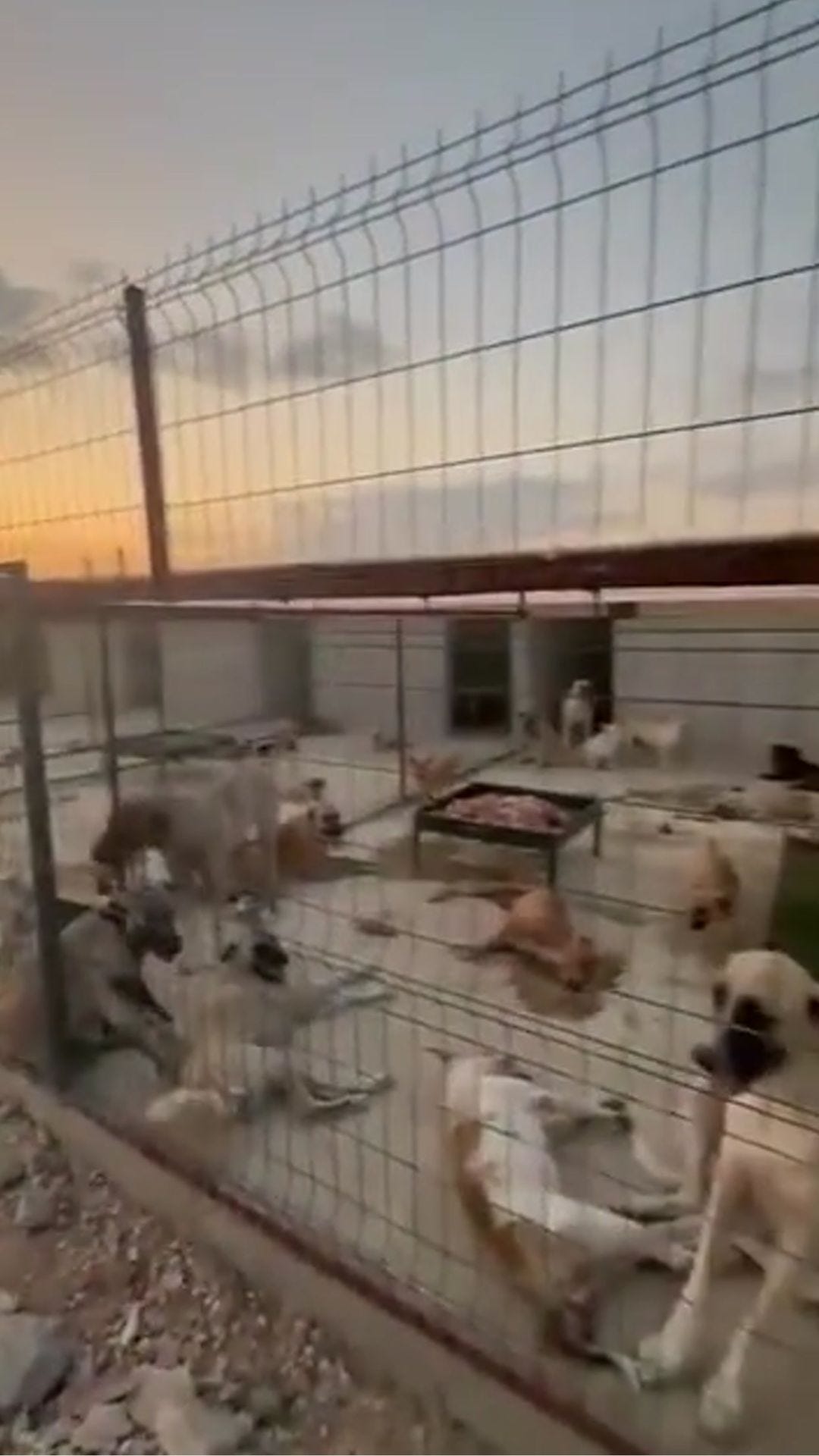
Keeping dead and living dogs together is not just a failure of compassion—it is a failure of fundamental sheltering standards. It reflects negligence, poor governance, and a complete disregard for the wellbeing of the animals in care. No matter how under-resourced a shelter may be, the separation of the deceased from the living must be a basic and immediate action.
Shelters that engage in this practice are not places of refuge; they are places of suffering. The normalization of such conditions is deeply alarming and must be called out and corrected.
A Call for Action and Oversight
This issue demands urgent attention from local authorities, veterinary regulators, and international animal welfare organizations. It is imperative that:
Shelters be held accountable for humane practices and basic sanitation.
Government and NGO oversight increase in areas where animal welfare is regularly compromised.
Reporting mechanisms be made accessible to staff, volunteers, and the public to expose and eliminate inhumane practices.
Public pressure plays a powerful role in changing conditions. When citizens speak out, when organizations shine a light on abuse, and when compassionate people refuse to accept the unacceptable, progress is possible.
The Bottom Line
A dog shelter should be a place of hope—not horror. The mingling of dead and living dogs is an inexcusable practice that causes immense harm and suffering. We must never allow ourselves to look the other way. For every dog who suffers in silence, we have a responsibility to act.
Please speak up for these dogs, your voice is power, please use it!