


The new year has begun with an important and hopeful development for animal welfare and the rule of law in Turkey. The illegally established animal collection area in Sarıalan, Şehzadeler, Manisa is officially being closed.
This decision follows a sustained legal and institutional process. From the outset, the issue was addressed through formal correspondence, legal assessments, and discussions grounded in existing legislation.
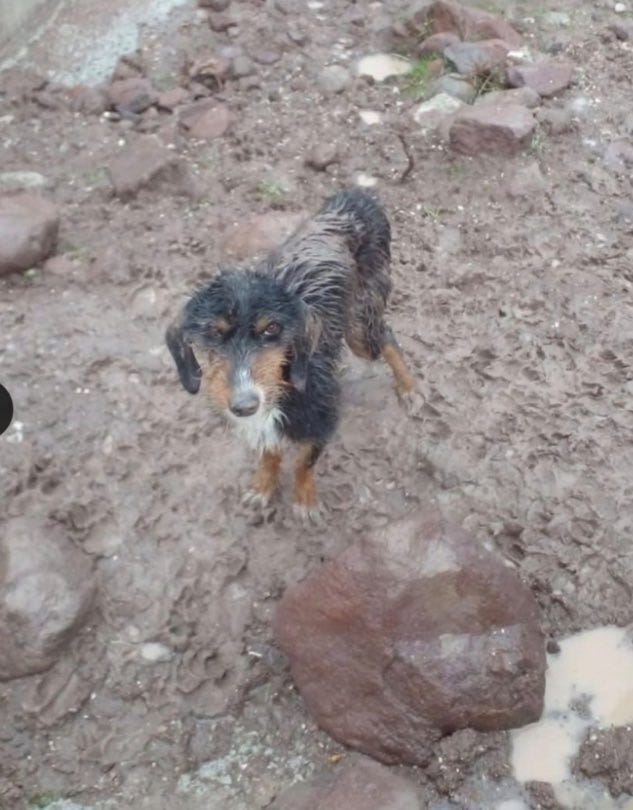
Why the Closure Matters
The decision to shut down the Sarıalan collection area was not discretionary. It was taken after a report prepared on the site was submitted to the municipal council, clearly demonstrating that the area had been established and operated outside the legal framework.
Based on this report, the council concluded that closure was a legal obligation in line with public interest and statutory limits of authority.
As part of the process:
Animals currently held at the site will be transferred to the Yunus Emre Municipality.
Within the timeframe stipulated by law, a regulation-compliant animal care centre will be established.
The transition will continue under municipal coordination, as it has since the beginning of the case.
Concerns Over Authority Overreach
During the process, serious concerns emerged regarding the actions of the Manisa Governorship. It was observed that these bodies exercised authority in areas not granted to them by law, effectively disregarding the constitutionally protected powers of municipalities.
The principle of administrative integrity does not permit institutions to overstep their mandates or place municipalities under unlawful control. In this case, the actions taken were assessed as a clear overreach of authority.
More troublingly, these actions were carried out in a manner that failed to respect the principle of the rule of law. In a legal state, governance is determined by legislation not by pressure, directives, or implied threats.
Public Harm and Loss of Trust
The consequences of unlawful practices extend beyond institutional disputes. Unauthorized expenditures, financial burdens arising from non-compliant actions, and irreversible outcomes for animals all constitute public harm.
Importantly, public damage is not limited to financial loss. The erosion of trust in public institutions is one of the most serious and lasting consequences of unlawful governance practices.
A Precedent for Municipalities Nationwide
The report prepared in Manisa now stands as a precedent-setting example of lawful local governance. It demonstrates that municipalities can and must act in defence of legality, even in the face of administrative pressure.
Municipalities are reminded that their responsibility is not to preserve positions or avoid conflict, but to protect:
The law
Public interest
Ethical responsibility toward animals
It is a well-established legal principle that those who carry out unlawful orders share responsibility with those who issue them. Actions that exceed authority inevitably face legal accountability
A Principled Stand
A motion was submitted calling for all practices concerning stray animals to be monitored for compliance with the law
The motion:
Affirmed Animal Protection Law No. 5199 and its regulations as the legal basis
Questioned practices conducted under informal protocols
Called for scrutiny of whether so-called animal living areas truly meet the definition of natural habitats
This approach was widely recognised as a stance rooted not in routine politics, but in conscience, legality, and public duty.
Oversight Is a Core Duty Not an Option
Council membership is not symbolic. Its purpose is to question, oversee, and demand accountability on behalf of the public including for those who cannot speak for themselves.
Every decision affecting animals, every signature placed on an official document, and every unlawful practice ignored carries both legal and moral consequences.
More Than an Agenda Item
The motion submitted to the Şehzadeler Municipal Council is not simply a procedural entry.
It serves as a reminder of:
The council’s authority
Its responsibility
The obligation to prioritise the right to life of animals
Those involved in this process have expressed their expectation that the initiative will conclude in a manner that upholds animal welfare, legal integrity, and democratic local governance.
This development marks a meaningful step forward demonstrating that lawful action, persistence, and accountability can still produce real change.