


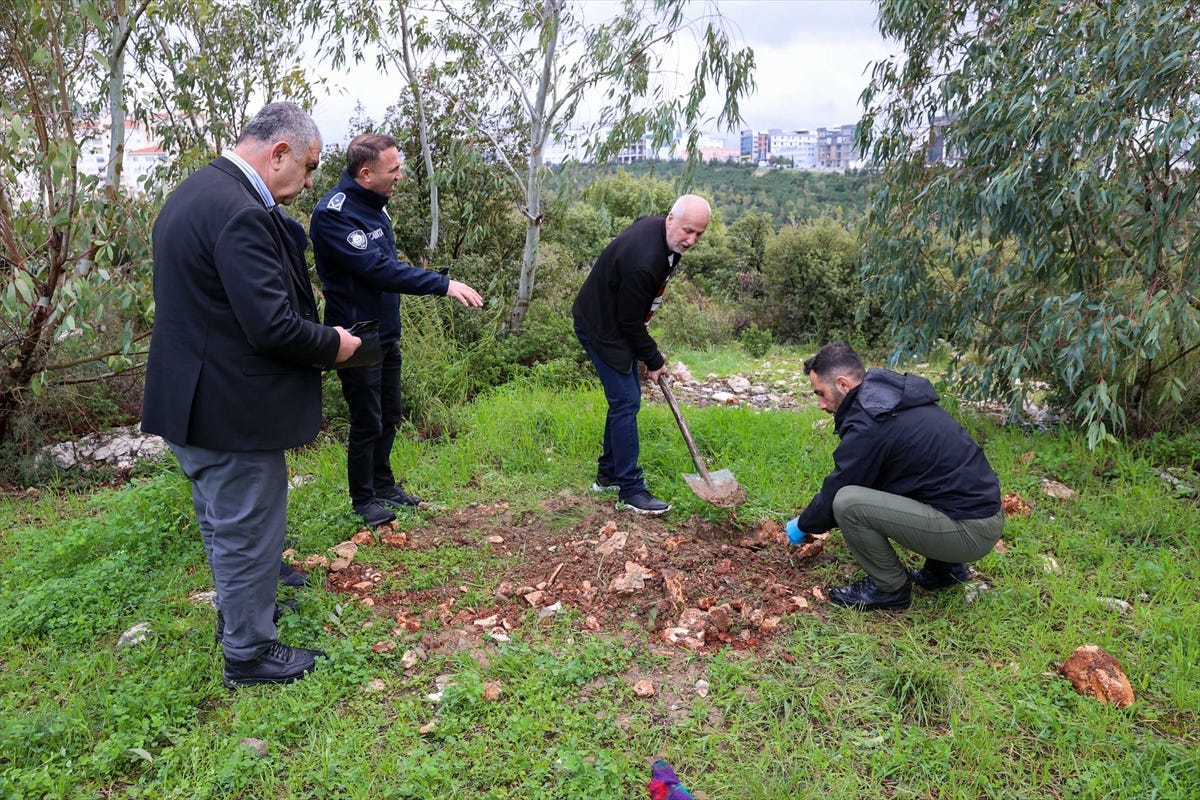
This week in İzmir’s Buca district, residents began noticing something deeply unsettling.
Animals were being found dead in the same area, cats, a dog, and even birds and chickens.
Authorities have opened an investigation and samples have been sent for laboratory analysis. At the time of writing, the cause has not yet been officially confirmed, but officials are examining the possibility of poisoning.
For the moment, the facts are simple: multiple species died in one place, within a short time frame, and the situation was serious enough to trigger a formal inquiry.
And that alone matters.
Why Multiple Species Changes Everything
When a single animal dies, it can be illness, injury, or coincidence.
When different species die together, the question changes from what happened to this animal to what entered the environment.
Cats, dogs, birds and poultry do not share identical diets or behaviour.
They do, however, share air, soil and water.
Because of this, suspected poisoning cases are never only animal-welfare issues. They are environmental incidents. The same substance that harms an animal rarely knows how to stop there.
The danger does not recognise ownership either.
A stray cat, a pet dog, wildlife, or a child touching contaminated ground, the risk travels without permission.
Why Authorities Wait for Tests
In situations like this, officials rely on toxicology before conclusions are made.
Without laboratory confirmation, accusations remain speculation.
This waiting period can feel frustrating, but it serves an important purpose.
If poisoning is confirmed, the substance must be identified. Knowing the chemical determines:
whether the public is at risk
whether other animals may still be exposed
whether a criminal act occurred
what legal charge applies
The difference between negligence and deliberate poisoning is not opinion, it is chemistry.
The Pattern People Recognise
Across many countries, suspected poisoning incidents follow a familiar pattern:
First comes confusion.
Then fear spreads through the neighbourhood.
Pet owners keep animals indoors. Feeders stop visiting colonies. Rumours grow faster than facts.
What people are reacting to is not only the deaths themselves, but the uncertainty.
Poisoning is invisible. There is no sound, no struggle witnessed, only discovery after the moment has passed.
It creates a unique kind of distress the sense that harm could be anywhere.
More Than an Animal Issue
These cases are often discussed as animal welfare alone, yet public health agencies treat them differently.
A toxic substance placed outdoors does not distinguish between a paw, a beak, or a human hand. The legal concern extends beyond cruelty into environmental safety. That is why municipalities, veterinary institutes and sometimes police become involved at the same time.
The investigation in İzmir is therefore not only about what happened to several animals.
It is about whether a hazardous substance entered a shared living space.
Waiting for the Answer
At present, the laboratory results will determine the direction of the case.
Until then, certainty belongs to evidence.
But situations like this remind us of something important: protection is not measured only by how we respond to confirmed crimes, but also by how carefully we treat suspicious events before conclusions are known.
Precaution is part of protection.
If the deaths were natural, reassurance will matter.
If they were not, accountability will matter.
Either way, the result will decide whether the community becomes safer and whether the same question needs to be asked again somewhere else.