
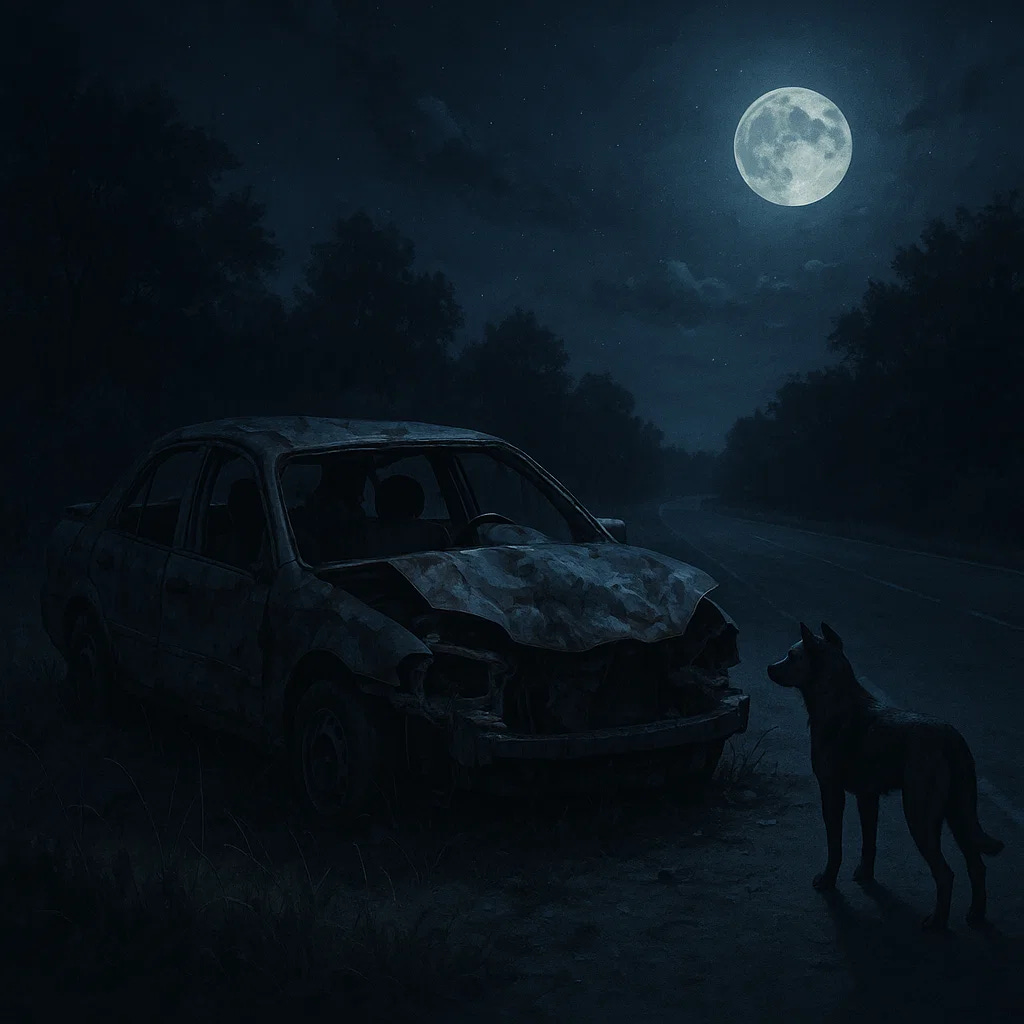
Are stray dogs really “causing” Turkey’s road crashes?
Looking beyond the headline
Key points at a glance
Reports linking road traffic accidents (RTAs) to stray dogs are increasing, but “dog present” is not the same as “dog caused.”
Crash causation is nearly always multi-factor: speed, distraction, road design, lighting, signage, vehicle condition and driver choices all matter.
Poor data and sensational framing can inflate the perceived role of dogs and obscure preventable human and infrastructure factors.
Humane dog management, smarter roads, and better reporting standards can reduce collisions—without scapegoating animals.
What the headlines say vs. what the evidence can show
In recent months, Turkish media has carried more stories in which stray dogs are cited as the cause of crashes—sometimes fatal. These articles typically hinge on one observation: a dog was seen near the collision site. From there, causation is assumed.
But in road safety, presence is not proof. A reliable causation finding comes from reconstruction, not conjecture: analysing speeds and sightlines; checking braking distances and skid marks; reviewing CCTV and dashcam; verifying lighting, signage and surface condition; and weighing consistent witness testimony. Without this, a visible dog can become a convenient explanation that shuts down a fuller, harder conversation about risk.
Presence ≠ cause: the traps we fall into
A few common thinking errors drive “dog-caused” conclusions:
Post hoc fallacy: A dog is noticed after a crash, so the dog must have caused it.
Single-cause bias: Complex events are reduced to one culprit, ignoring contributing factors.
Availability heuristic: Unusual details (an animal) feel more salient than mundane ones (30 km/h over the limit).
Attribution shortcuts in reporting: Police or witnesses mention a dog; headlines lock it in as the cause.
Yes, animals can be a hazard—especially if a driver swerves sharply to avoid one. But even then, why did the swerve become unrecoverable? Excessive speed? Worn tyres? Poor verge visibility? Inadequate lighting? An unforgiving roadside (a steep drop, an unprotected pole) that turned a near-miss into a tragedy?
The usual suspects in crash causation
Road safety research worldwide points to recurring contributors. Turkey is no exception:
Speed and inappropriate speed for conditions (dawn/dusk, rain, glare, rural single carriageways).
Distraction: phones, in-car screens, passenger interactions.
Impairment and fatigue.
Infrastructure and environment: missing or faded signage, poor night-time luminance, sharp curves, potholes, gravel, standing water, and lack of median/roadside protection.
Vehicle condition: tyres, brakes, suspension.
Human factors at blackspots: habitual late braking, risky overtakes, tailgating.
Animals near the carriageway: a contributing factor—not always the root cause.
Treating dogs as the primary culprit can obscure these fixable risks.
Why animal-linked reports may be rising
Several dynamics can inflate dog-attributed crashes:
Displacement: construction and urban expansion push animals onto new desire lines across roads.
Waste management patterns: overflowing bins or informal feeding points near fast roads draw animals.
Seasonal movement: dawn/dusk activity peaks collide with commuter traffic.
Media amplification: animal-involved stories travel further on social platforms, creating a feedback loop.
Political narratives: in times of tension, complex social issues often seek simple villains; stray dogs are easy targets.
Smarter solutions that help people and animals
For road authorities and municipalities
Targeted speed management: enforce realistic limits at known crossing points; add average-speed cameras on rural approaches.
Engineering fixes at hotspots: better lighting, rumble strips, high-contrast signage, verge clearance for sightlines, and guardrails to reduce run-off-road severity.
Fencing and guided crossings: where feasible, use fencing to funnel animals toward safe underpasses/overpasses.
Data-led maintenance: fix surfaces, signage and drainage swiftly at recurring incident sites.
Humane population management: sustained spay/neuter, vaccination, and microchipping; place feeding/water points away from fast roads; improve waste handling to reduce roadside attractants.
For drivers
Scan verges, not just the lane. Animals often wait at the edge before stepping out.
Manage speed at dawn/dusk and on rural curves. This preserves stopping distance if something appears.
Brake, don’t swerve violently. A controlled, straight-line stop is safer than a lane-change at speed.
After a near-miss or collision: warn approaching traffic if safe, call emergency services, and report the location so authorities can address recurrent hazards.
For editors and journalists
Use “involves” until proven “caused.” Avoid definitive language without reconstruction.
Ask for the evidence: speeds, sight distance, lighting, signage status, CCTV.
Include context: was this a known blackspot? Were there recent complaints about signage or surface?
Avoid scapegoating language. Focus on solutions (engineering, enforcement, education, and humane management).
FAQ: Are dogs always the cause when they’re found at the scene?
No. Their presence may be relevant, but causation requires evidence. Often, dogs are one element in a chain: inadequate speed for conditions, limited sightlines, and unforgiving infrastructure convert an avoidable hazard into a crash. When we fix those underlying weaknesses, collisions fall—whether the hazard is a dog, a pedestrian, a cyclist, or debris.
A fairer, safer way forward
Framing stray dogs as the chief cause of Turkey’s RTAs offers an emotionally satisfying answer but a poor safety strategy. It diverts attention from the proven levers of change—speed, design, enforcement, maintenance and humane population management—and it risks fuelling hostility towards animals without improving public safety.
Let’s demand better evidence, fairer reporting, and practical investment in safer roads. That’s how we protect people and animals alike.


