


The question we avoid
Rescue is built on intention. To remove a dog from danger. To provide safety, care, and a path to a better life. But intention alone is not outcome.
Across different regions and systems, a quieter question is beginning to surface, one that is rarely asked directly:
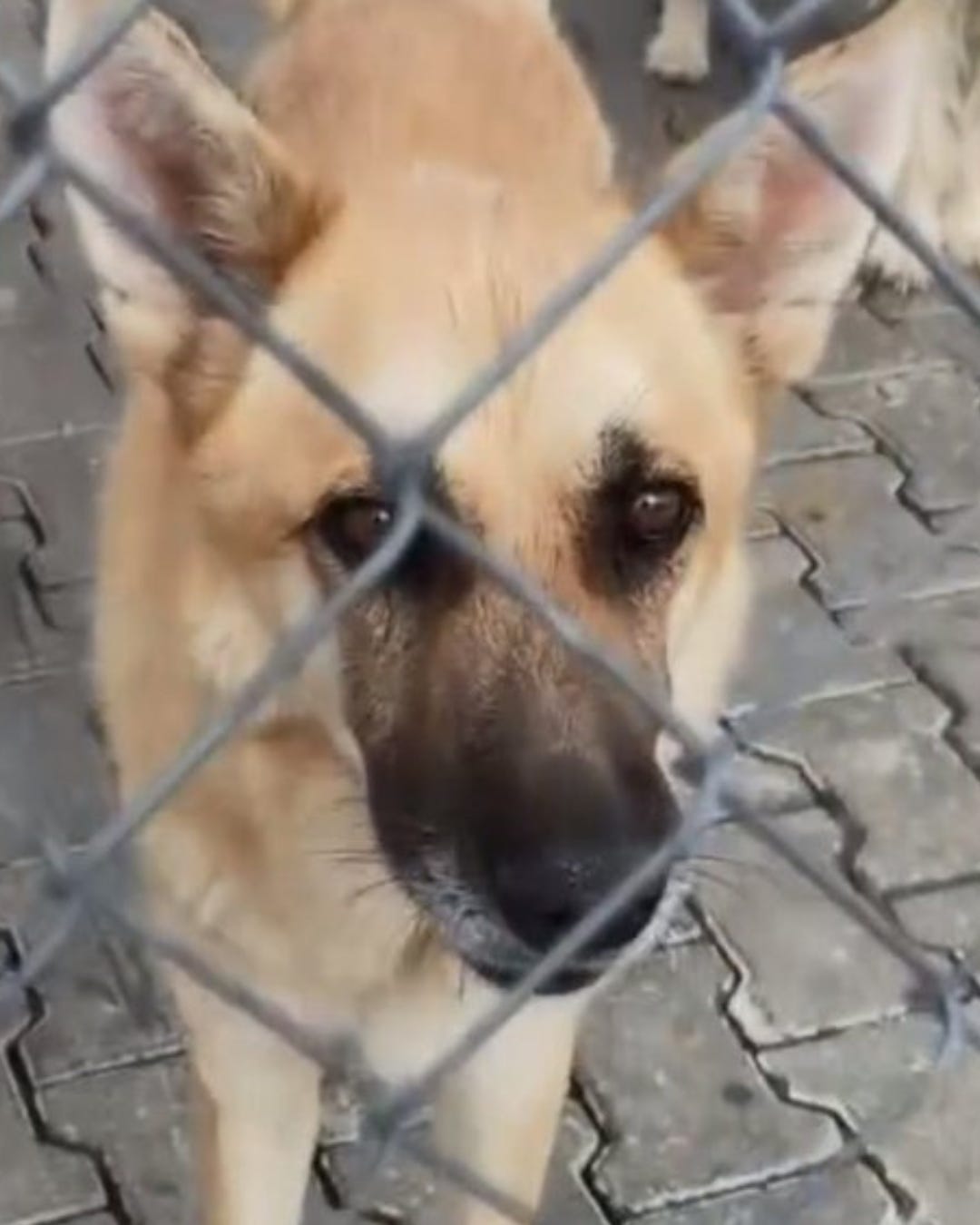
Are we always improving a dog’s welfare, or are we sometimes moving them into a different form of harm?
Harm does not always look like neglect
When we think of harm, we tend to picture the obvious:
Injury
Starvation
Abuse
These are real and urgent. They are often the reason intervention begins. But harm can also take less visible forms:
Chronic stress
Confinement without adequate enrichment
Social instability
Repeated transitions between environments
These conditions are harder to recognise, and easier to justify, because they sit within systems that are trying to help.
The capacity problem
Many rescue systems are operating beyond their limits. Shelters are full or over capacity. Resources are stretched. Staff and volunteers are managing high numbers of dogs with limited time.
When intake continues without corresponding increases in capacity, a shift occurs:
Care becomes diluted.
This does not happen through neglect or indifference. It happens through volume.
A dog may be removed from the street, only to enter an environment where:
Space is limited
Individual attention is reduced
Stress levels are consistently high
In these conditions, welfare can deteriorate even when basic needs are met.
The pressure to move dogs quickly
Alongside capacity sits another pressure: movement. Dogs are expected to progress:
From street to holding
From holding to shelter
From shelter to transport
From transport to home
Speed can create the appearance of success. Numbers increase. Turnover improves.
But dogs do not move through these stages as neutral participants. Each transition requires adaptation. Each new environment introduces uncertainty.
When movement outpaces the dog’s ability to adjust, stress accumulates rather than resolves.
When placement is not the right outcome
Adoption is often positioned as the goal. For many dogs, it is a positive and appropriate outcome. But not all dogs experience it that way.
Some struggle with:
Indoor confinement
Close human proximity
Predictable routines replacing autonomy
These dogs may show:
Withdrawal
Anxiety-related behaviours
Reactivity or escalation
When this happens, the response is often to reassess the dog. But the question is rarely asked in reverse:
Was the environment appropriate for the dog?
A placement that cannot be sustained is not a successful outcome. It is another transition.
The unseen consequences
When mismatches occur, the effects extend beyond the individual case.
Dogs may be returned, increasing pressure on the system
Behaviour may deteriorate, reducing future options
In some cases, outcomes become final
These are not failures of intent. They are failures of alignment. Without careful matching, the system begins to recycle dogs through environments that do not suit them.
Good intentions within limited systems
It is important to recognise that most people involved in rescue are acting in good faith.
They are responding to visible suffering. They are working within constraints.
They are trying to do what they can with what they have.
The issue is not motivation. It is structure.
When systems are built around urgency rather than suitability, even well-intentioned actions can lead to poor outcomes.
Rethinking what help means
If the aim of rescue is to improve welfare, then outcome not intention must be the measure.
This requires a shift:
From intake to capacity
From speed to suitability
From placement to stability
It also requires acknowledging that:
Not every dog is suited to every pathway.
Some dogs may cope better in:
Lower-density environments
Outdoor or semi-outdoor settings
Long-term sanctuary care
Expanding the definition of a good outcome allows for decisions that are led by the dog, rather than the system.
A more measured approach
A more sustainable model of rescue would include:
Clear limits on intake based on capacity
Longer observation before movement
Greater emphasis on environmental matching
Acceptance of alternative outcomes beyond standard adoption
These are not easy adjustments. They may reduce the number of dogs moved in the short term. But they are more likely to improve outcomes over time.
Removing a dog from harm is only the first step. What follows must be carefully considered.
If a dog leaves one difficult environment only to enter another that does not meet their needs, the intention to help has not translated into welfare.
The question is not whether rescue is necessary. It is whether we are willing to examine how it is carried out. Because helping a dog should mean more than changing where they are.
It should mean improving how they live.