


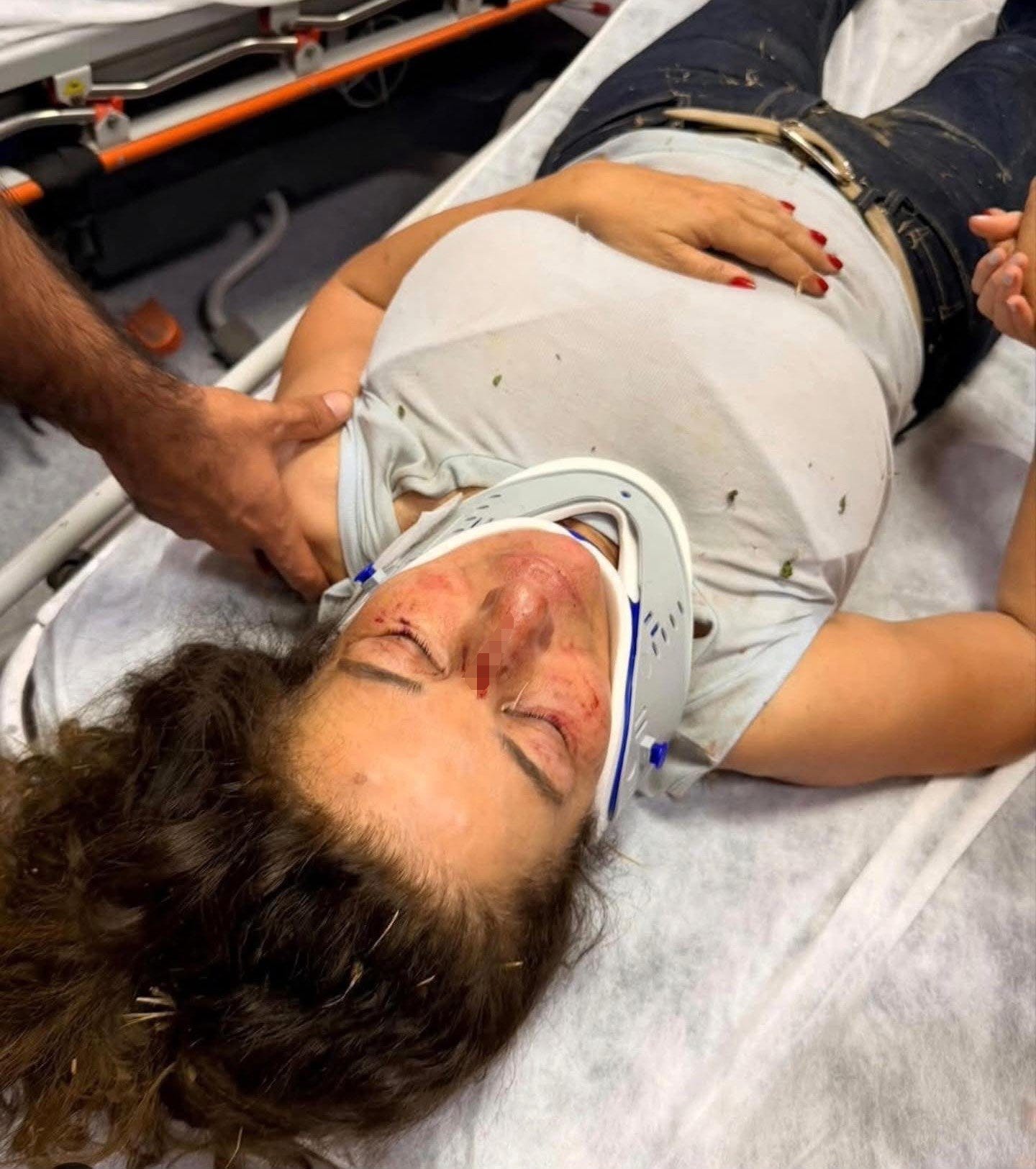
A disturbing incident in İzmir has once again highlighted the risks faced by people who dedicate their time to helping animals.
According to local reports, pharmacist and animal welfare volunteer Beray Yürek travelled to an area near Selçuk after receiving information about a sick street dog requiring assistance. Yürek alleges that after arriving she was attacked by a man who had used the report to bring her to the location. Reports state that she managed to escape and later contacted the authorities. The suspect was subsequently detained and has since been remanded in custody pending further legal proceedings.
The allegations are deeply troubling in their own right. Nobody responding to an animal welfare concern should ever find themselves in a situation where they fear for their own safety.
What makes the incident particularly concerning is that it highlights a reality often overlooked by those outside the animal welfare sector.
Across Turkey, thousands of people spend their own time helping animals. They feed dogs and cats, arrange veterinary treatment, transport injured animals, respond to emergency calls and provide support to communities struggling to care for local animals. Most do this voluntarily, without payment and often with very limited resources.
When people see an injured dog, an abandoned litter or an animal in distress, it is frequently these volunteers who are called first.
Their work is often demanding, emotionally exhausting and financially challenging. Increasingly, some also find themselves operating in an environment where tensions surrounding street animals have become highly polarised.
The debate surrounding Turkey’s street dogs has intensified significantly over the past two years. Discussions that once focused primarily on welfare, sterilisation and community care have become increasingly confrontational. Social media has amplified divisions, public rhetoric has hardened and disagreements that might once have remained political or ideological have become deeply personal.
Most people, regardless of their views on street dog policy, reject violence and intimidation. Nevertheless, incidents such as this raise uncomfortable questions about the atmosphere that has developed around the issue.
Animal welfare volunteers should be able to respond to reports of injured or sick animals without fearing that they may be placing themselves at risk. They should not have to wonder whether a call for help is genuine. They should not have to consider their own safety before attempting to assist an animal in need.
Trust is essential to animal welfare work. Communities rely on volunteers to respond when animals are injured, abandoned or in distress. Volunteers rely on members of the public to report concerns honestly and in good faith. When that trust is damaged, it affects more than the individual involved. It risks undermining the willingness of others to respond when animals genuinely need help.
The response from local authorities has been swift. Reports indicate that the suspect has been arrested and that his employment with the municipality has been terminated. Those developments will provide some reassurance that the allegations are being treated seriously.
However, the incident remains a sobering reminder of the vulnerability of many people working on behalf of animals. Every day, volunteers across Turkey answer calls about injured dogs, abandoned puppies, sick cats and animals requiring urgent assistance. Most expect to encounter suffering, neglect or difficult conditions. They do not expect to encounter violence.
Whatever position people take on the future of Turkey’s street dogs, there should be agreement on one principle.
Helping an animal in need should never be a dangerous act.