
Breeding Cats in a Country Overrun with Strays: A Misguided Priority
Breeding While Millions Suffer
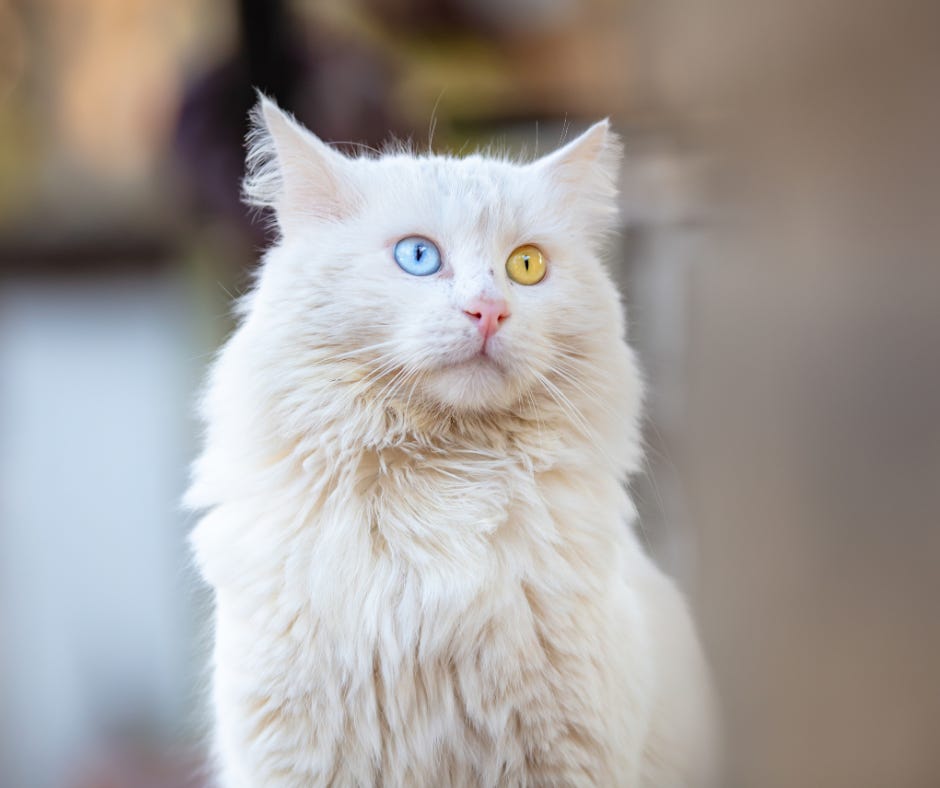
In Van, eastern Türkiye, a breeding program at the Van Cat Research and Application Centre is celebrating the birth of 37 kittens from 11 adult cats as part of its efforts to preserve the rare Van breed. While the centre claims its work protects genetic purity and heritage, the timing and priorities are hard to reconcile with reality. Across Türkiye, millions of street cats face hunger, untreated illness, injury, and violence every single day.
When shelters are overflowing, rescue groups are overwhelmed, and adoption rates are sluggish, pouring resources into producing more cats—no matter how beautiful—feels like turning a blind eye to the suffering already on the streets.
Türkiye’s Stray Cat Crisis
From Istanbul’s bustling avenues to rural backstreets, Türkiye’s street cats—known as sokak kedisi—are everywhere. In some neighbourhoods they are fed, sheltered, and loved by the community. In others, they are starved, poisoned, beaten, or deliberately maimed. Estimates put the number of stray cats in Istanbul alone between 125,000 and over a million. National figures are staggering.
The country’s stray population is not the result of nature—it’s the consequence of unchecked breeding, abandonment, and systemic failure to implement effective, humane population control.
Violence and the Rise of Animal Hate Groups
For every person who puts out a bowl of food, there’s another who sees street cats as a nuisance, or worse, a target. In recent years, Türkiye has seen the rise of organised animal hate groups using social media to push for the killing of strays. These groups spread misinformation, frame animals as dangerous or disease-ridden, and lobby for culling.
The cruelty strays endure is horrifying
Policy that Puts Lives at Risk
In 2024, new legislation allowed the mass removal of stray dogs from the streets. While the official line speaks of sheltering, vaccinating, and neutering, the reality, according to animal advocates—is that many of these animals face certain death. Overcrowded, underfunded shelters quickly become warehouses where disease, neglect, and abuse flourish. Those deemed “unadoptable” are often euthanised.
This policy is a gift to animal hate groups and a betrayal of the country’s long history of coexisting with its street animals.
Breeding vs. Rescue: The Ethical Divide
Every kitten bred for “preservation” is another home not available for a homeless cat already living, or dying, on the streets. Advocates for responsible breeding often argue that such programs are controlled and that kittens will be adopted quickly. But with adoption rates already low and shelters overwhelmed, even “wanted” kittens displace rescues in need.
In a country where so many cats are suffering without homes, food, or veterinary care, deliberately creating more, even for cultural or conservation reasons, is a misallocation of compassion, funding, and public attention.
What Needs to Change
End breeding programs while stray overpopulation remains out of control.
Invest in large-scale TNR (Trap–Neuter–Return) and community feeding stations to humanely reduce populations.
Crack down on animal hate groups and prosecute acts of cruelty with real consequences.
Promote adoption of existing strays through public campaigns and international partnerships.
Fund and regulate shelters to ensure they are safe, clean, and genuinely temporary waypoints—not death sentences.
In Conclusion
Türkiye’s Van cat breeding program might make for pretty headlines, but it is a dangerous distraction from a national animal welfare emergency. Every lira, every hour, and every ounce of public goodwill spent producing more kittens is time and resources stolen from the cats already here, starving, limping, hiding under cars, or dying in the shadows.
If Türkiye truly values its cats, Van or otherwise, it must stop manufacturing new lives and start saving the ones that already exist.


