


The News
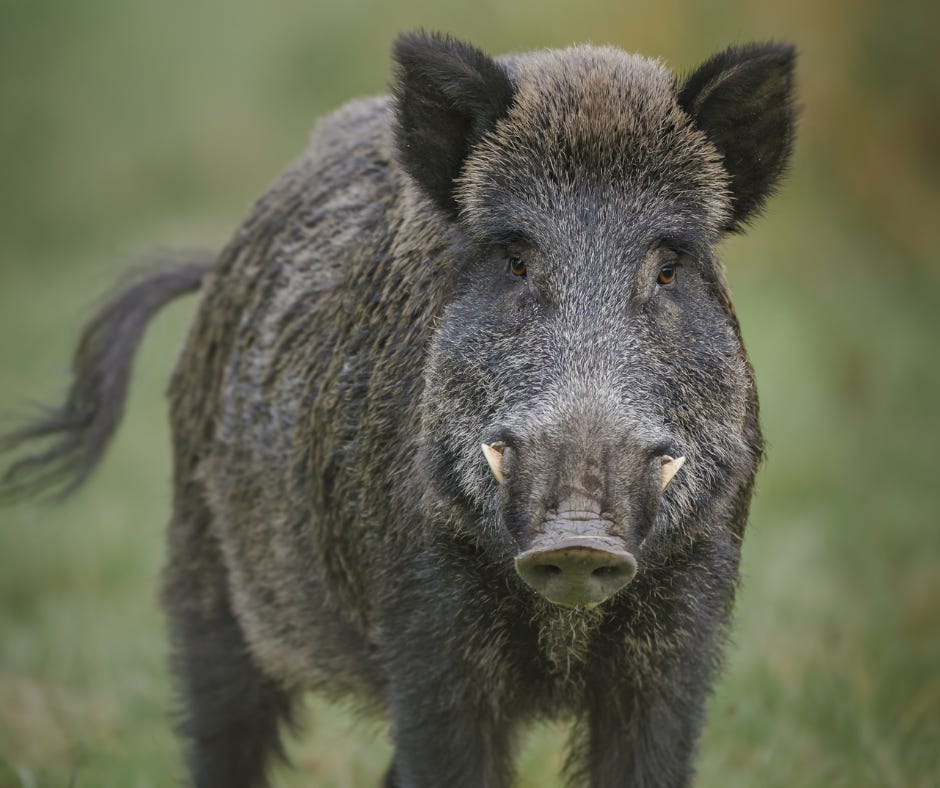
Muğla provincial government has awarded a contract worth 1,165,000 Turkish lira for 20,000 single-shot cartridges as part of a project to combat wild boars in the region.
The contractor, Efeler Av Market Ticaret Ltd., announced that hunters who bring boar tails to district agricultural and forestry offices will receive five cartridges per tail. This policy reportedly applies across Muğla and its districts.
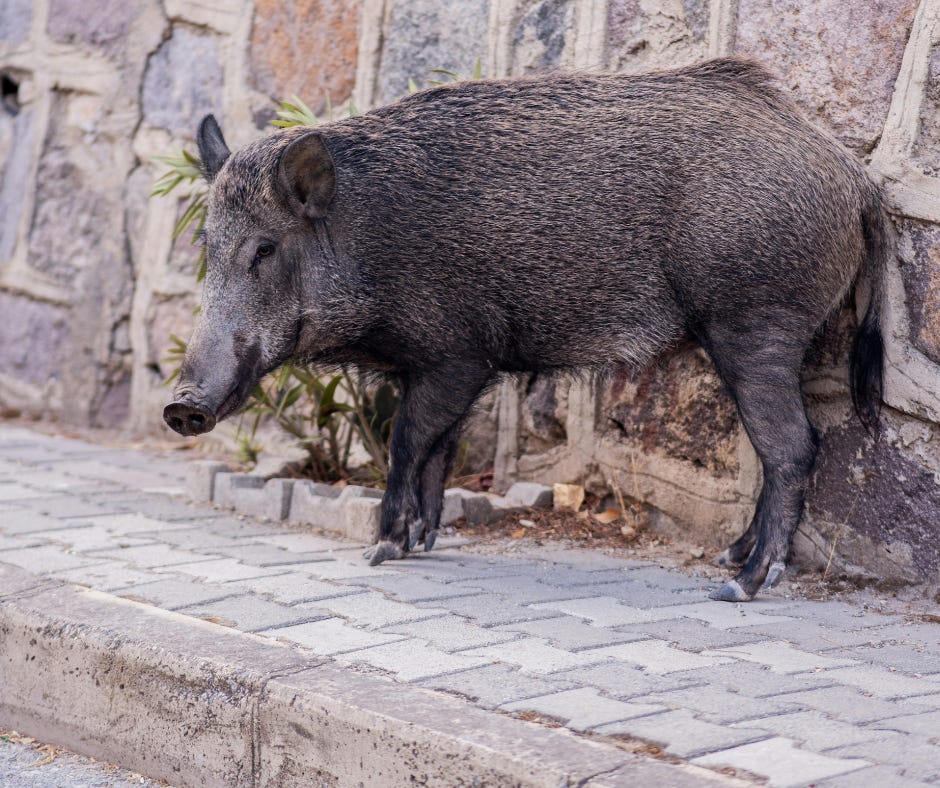
The rationale given is that such measures are part of efforts to “render ineffective” wild boars that have begun entering urban areas.
In May 2025, the General Directorate of Nature Conservation and National Parks sanctioned consortium hunts, and so-called “drive hunts” have been held in May and June in various parts of the province.
Context & Background
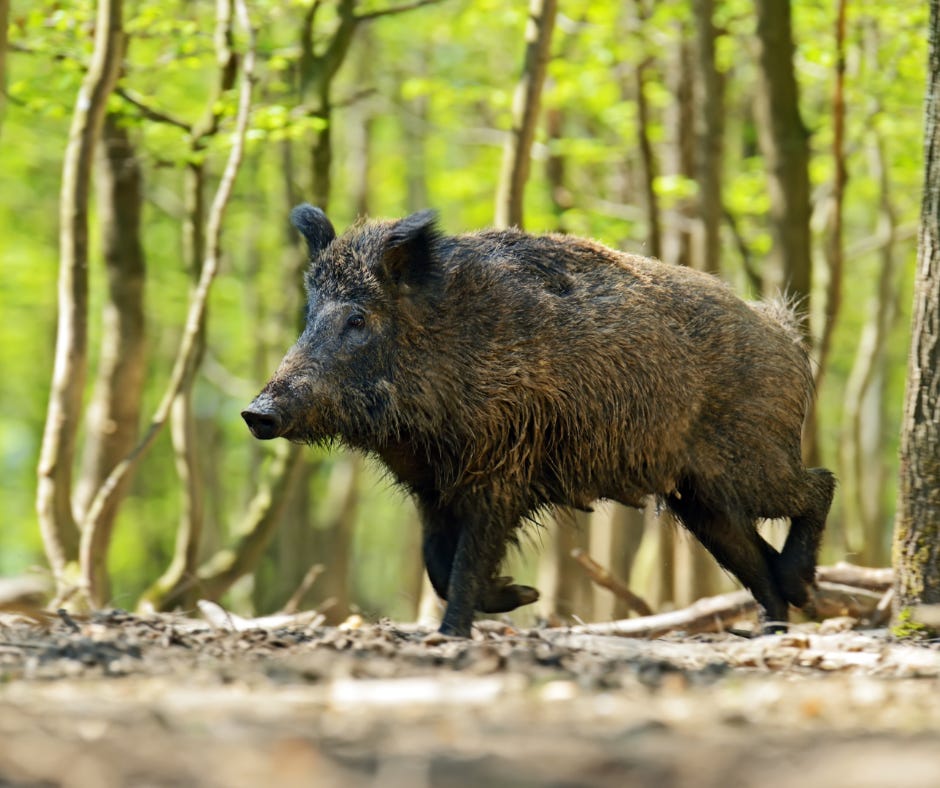
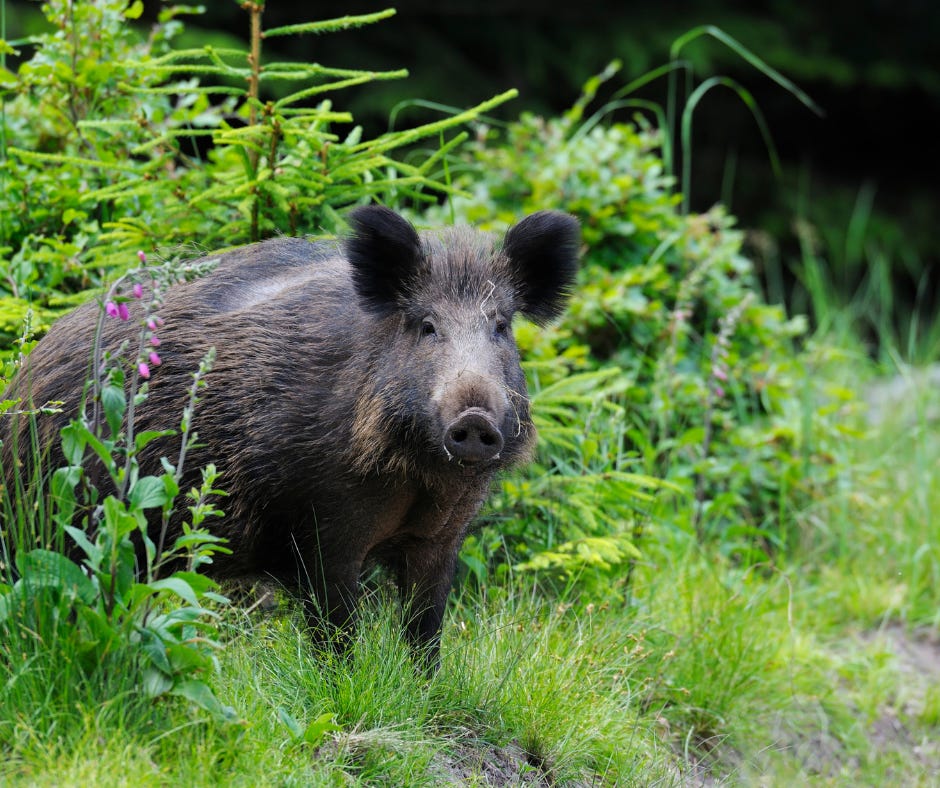
Wild boar populations in many regions are increasing, often encroaching upon agricultural land, damaging crops, and even venturing into towns.
In May 2025, when boars began approaching urban centres in Muğla, the provincial authorities escalated “drive hunting” operations to reduce conflicts.
The contract is formally titled “Single-Shot Ammunition Procurement for Wild Boar Control”, procured via open tender.
Ethical, Legal, and Ecological Questions
This policy and especially the explicit bounty-style mechanism raises many red flags and concerns. Some key issues:
Incentivizing killing
By tying payments (or in this case, ammunition) to physical proof of a kill (boar tail), the system strongly incentivizes large-scale killing rather than more nuanced population control or prevention.Due process, identification, and regulation
Who assesses whether the tail is indeed from a boar? Is there a risk of misidentification or tampering? Are there safeguards to prevent abuse or fraudulent claims?Non-lethal alternatives
The article does not mention any attempts at fertility control, relocation, habitat management, or deterrents (fencing, repellents, changes in land use) prior to resorting to mass culling.Ecological side effects
Wild boars are part of the ecosystem. Their removal at high rates can alter soil turnover, seed dispersal, and predator–prey relationships.Public safety and oversight
Giving private hunters ammunition in exchange for tails may increase risks—unregulated hunting, accidents, use in prohibited zones, or even poaching outside the intended program.Transparency in budget and priorities
Over one million lira is a large sum; how is success measured? Will monitoring and auditing be adequate?Legal and moral legitimacy
Are there national or EU wildlife protection laws or conventions that this policy might conflict with? Even where killing is permitted, the framing of “bring tails, get bullets” is provocative.
Why This Story Matters
This isn’t just a localized policy debate—it touches on how societies value wildlife, human–animal conflict, and the balance between control and coexistence.
It offers a sharp example of how wildlife policy can be commodified: tails become tokens for ammunition.
It draws attention to the often overlooked question: When does controlling become extermination?
It shows how governments might respond to pressure (crop damage, local anger, safety fears) in ways that provoke ethical, ecological, and legal backlash.
What to Watch Next
Implementation details: Will authorities publish data, how many boars are killed, budget spent, claims made?
Legal challenges: Environmental NGOs or wildlife advocates might contest the policy in court or via media campaigns.
Local reactions: Farmers, hunters, rural communities, and animal rights groups will likely respond strongly.
Comparative policies: How do other regions manage boar conflicts? Are there models that avoid mass culling?
A Reflection
Wildlife conflict is real, no one denies that. But how societies respond says a lot about our values, our willingness to experiment or err, and our commitment to accountability.
A policy that pays out in bullets for tails carries a powerful symbolism: it reduces living creatures to trophies. Whether or not such a policy will make things safer or more sustainable is deeply uncertain.