

Bursa Board Removes Euthanasia Agenda Item But Orders Collection Of Campus Dogs

The Bursa Provincial Animal Protection Board has removed from its agenda a six-article section relating to the use of euthanasia as a method of killing animals.
The development will be welcomed by many animal welfare advocates who had expressed concern about the inclusion of these provisions and the potential implications they could have had for dogs entering the shelter system.
However, serious concerns remain following decisions taken during the meeting.
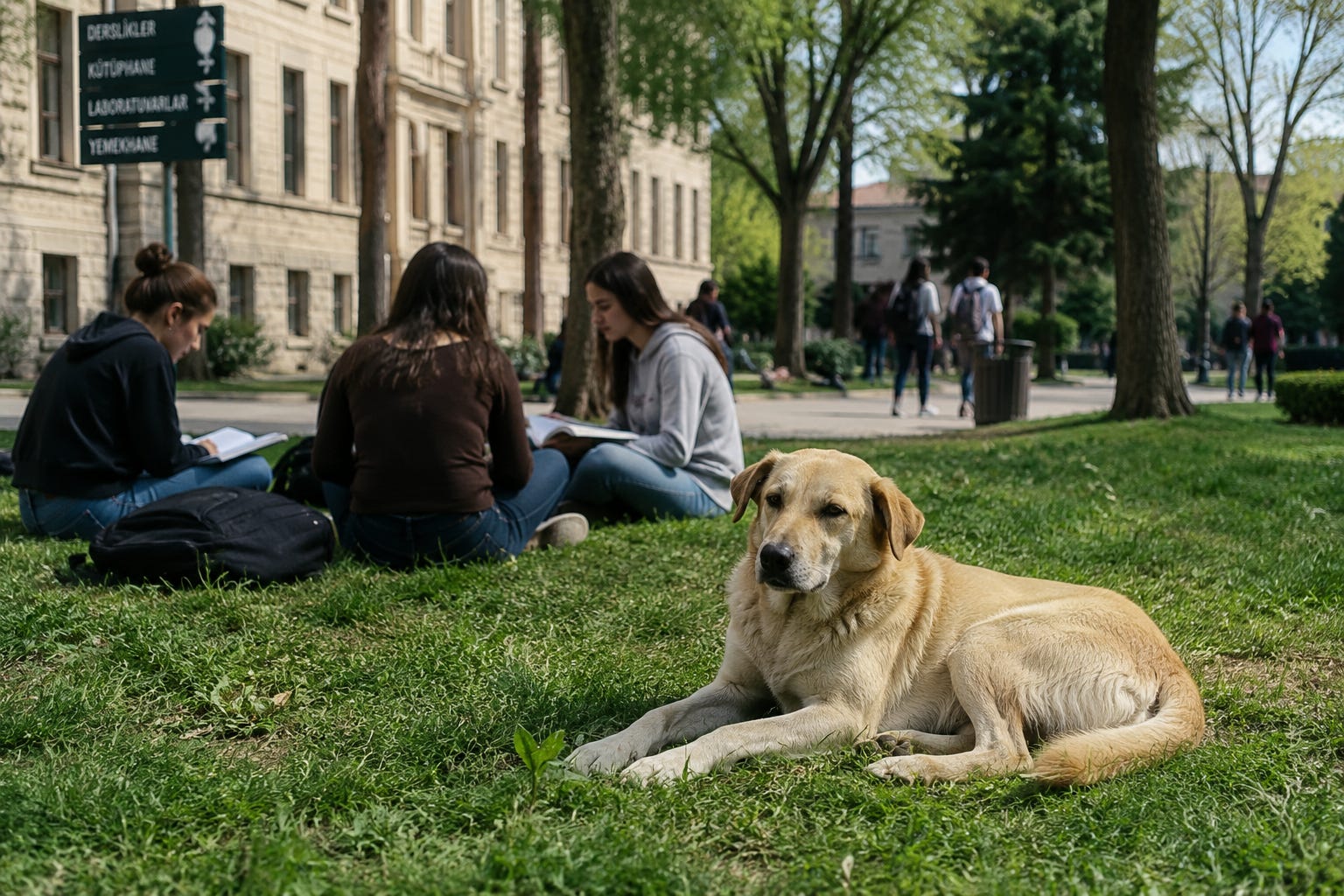
Under Article 3, the Board has ordered the immediate collection of dogs living on a university campus and prohibited their feeding and care within the campus environment.
For many years, university campuses across Türkiye have been home to established dog populations cared for by students, staff, volunteers and local communities. These dogs often form part of the social fabric of campus life, receiving food, water and basic monitoring from the people around them. The decision to remove them and prohibit their care represents a significant change in approach.
The timing of the decision is particularly controversial.
Municipalities have been granted until the end of 2028 to complete infrastructure and capacity requirements under the law. Yet while that implementation period remains ongoing, the dogs themselves have been ordered to be removed immediately.
This raises an important question. If municipalities still have time to build the systems intended to support the law’s implementation, why are animals being required to bear the consequences before those systems are fully in place?
The concern is heightened by continuing reports from across the country that many shelters are operating under pressure. In numerous areas, sterilisation programmes, treatment services and preventative healthcare efforts have slowed, been reduced or stopped altogether as resources are diverted towards collection activities.
Animal welfare organisations have consistently argued that sustainable population management depends on preventing births, maintaining access to veterinary care, vaccinating animals against disease and supporting community-based care systems. Collection alone does not address the underlying factors that create and sustain stray animal populations.
Removing dogs from university campuses may reduce their visibility, but it does not resolve the wider challenges facing animal welfare management. Without robust sterilisation, treatment, vaccination, registration and transparent oversight, collection risks becoming an end in itself rather than part of a comprehensive welfare strategy.
The removal of the euthanasia agenda item may be viewed as a positive outcome from today’s meeting. However, the decision to urgently collect campus dogs and prohibit their feeding and care is likely to remain a source of significant concern for animal welfare advocates.
As municipalities continue implementing the law, questions will remain about whether policy is being driven by long-term animal welfare objectives or by the immediate removal of animals from public spaces. For the dogs living on Bursa’s university campus, that debate has now become a reality.