
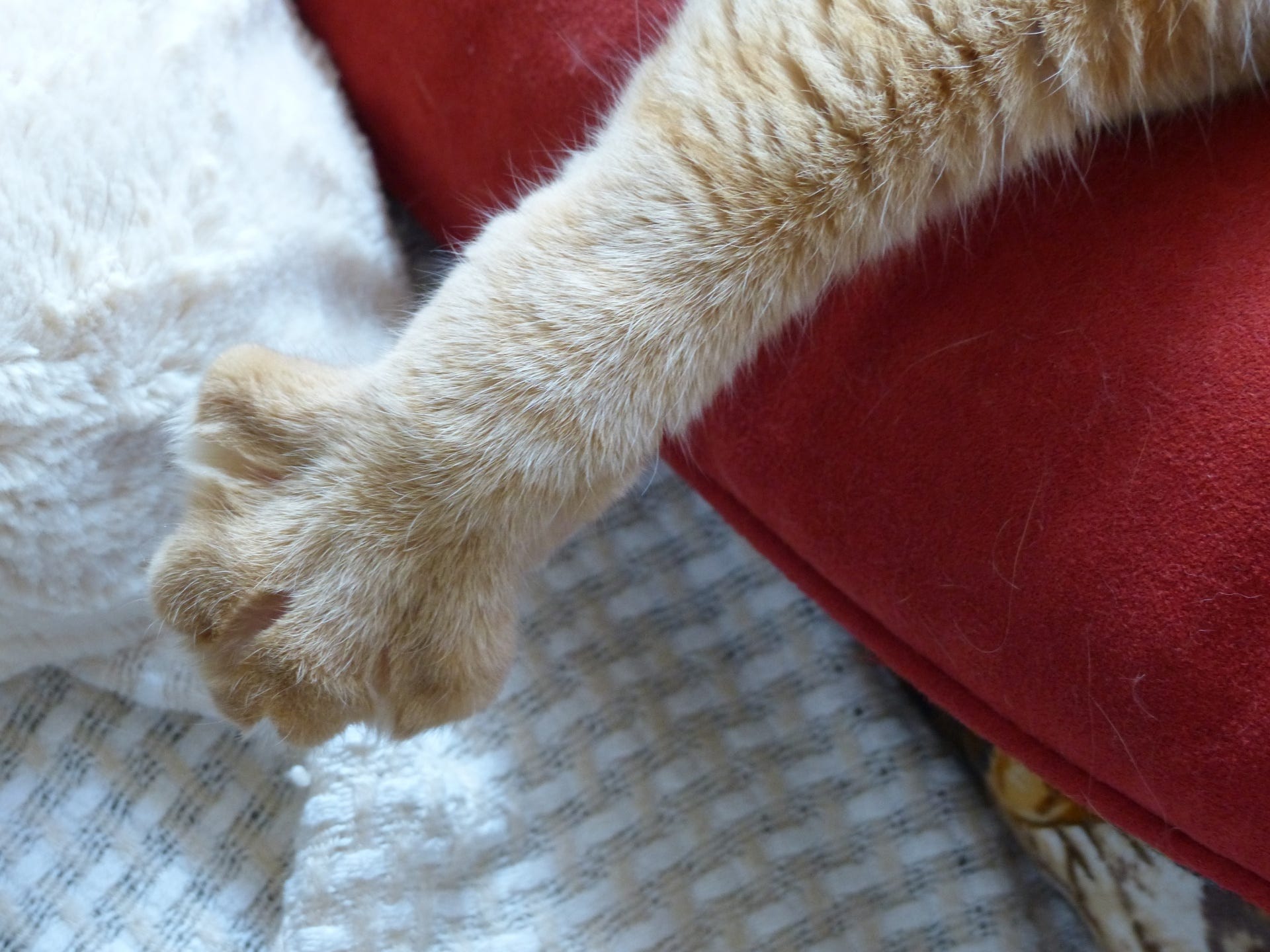
California Bans Cat Declawing - A Victory for Feline Welfare
In recent months, California has drawn attention for a bold and much-needed proposal: a state wide ban on cat declawing (except for genuine medical necessity). This push is grounded in growing awareness that declawing is not a benign cosmetic procedure, but rather a deeply harmful one. In this blog, I’ll walk you through:
What the California ban will do;
Why declawing is so cruel;
And what humane alternatives are available.
What California’s Declawing Ban Will Do
The bill in question is AB 867, sponsored by Assemblymember Alex Lee.
Under this proposal, declawing was prohibited unless it is deemed medically necessary for the cat (for example, treating a severe nail‐bed disease or injury).
California joins states like New York and Maryland in banning declawing, except in limited medical cases.
The law’s language is careful: it allows for “therapeutic purpose” exceptions, but bars declawing as a matter of convenience, aesthetics, or to reduce property damage.
In short: the aim is to end elective declawing while still preserving veterinary discretion in genuine medical cases.
Why Declawing a Cat Is Inherently Cruel
Declawing is not just removing nails, it is a form of partial amputation. The consequences are often lifelong. Here are the major reasons why animal welfare and veterinary groups overwhelmingly oppose declawing:
1. It’s an amputation, not a manicure
The surgical procedure (onychectomy) removes not just the claw but part of the last bone of each toe (the distal phalanx).
It’s equivalent to cutting off the tip of a human finger.
2. Pain, complications, and long-term suffering
Declawing carries immediate risks of bleeding, infection, and adverse reactions to anesthesia.
Even after the surgical wounds heal, many cats suffer chronic pain, nerve damage, or phantom‐limb–type sensations.
There is also increased risk of lameness, back pain, and altered gait since removing the claws changes how the cat’s paws hit the ground.
Some cats develop persistent behavioural problems: biting, avoidance, or inappropriate elimination (urinating or defecating outside the litterbox) because litter feels painful under altered paws.
Declawed cats are more likely to be surrendered or abandoned due to these unexpected issues.
3. It strips cats of natural behaviours and defences
Scratching is natural and instinctive for cats. It helps them stretch, mark territory, shed old nail sheaths, and maintain balance.
Once declawed, cats lose much of their ability to defend themselves (especially outdoors) and to express stress or excitement in normal feline ways.
4. It’s done for human convenience
Most declawing is elective, performed to protect furniture or reduce nuisance scratching.
Veterinary and animal welfare organizations emphasize that declawing should never be used as a behavioural fix. behaviour problems should be addressed in other, humane ways.
Taken together, these facts make clear that declawing is not a harmless convenience, it is a painful, life-altering procedure that places human comfort over the cat’s welfare.
Why the California Ban Matters
It reflects a shift toward centering the interests of the cat, not the convenience of owners.
It signals that elective declawing is no longer acceptable in leading jurisdictions.
It helps prevent situations where veterinarians feel pressured to perform declawing for clients.
It sets a strong standard, cats deserve bodily integrity unless medical necessity dictates otherwise.
Humane Alternatives to Declawing
Declawing is unnecessary if we adopt good practices for living with cats. Some effective, non‐harmful alternatives include:
Appropriate scratching posts and surfaces — placing multiple posts (vertical/horizontal, different textures) encourages cats to use them instead of furniture.
Environmental enrichment — play, spacing, safe avenues to express normal feline behaviours reduce stress that causes destructive scratching.
Conclusion
California’s ban on elective cat declawing is a milestone for cat welfare. It acknowledges what many veterinarians and animal advocates have long held: declawing is a destructive, painful, and morally problematic practice. By limiting declawing to medical necessity and promoting better, humane care alternatives, California can help ensure that cats live with dignity, mobility, and the capacity to behave like cats.
It’s a step toward restoring respect for animals and rejecting a centuries-old tradition of convenience at the cost of suffering.


