

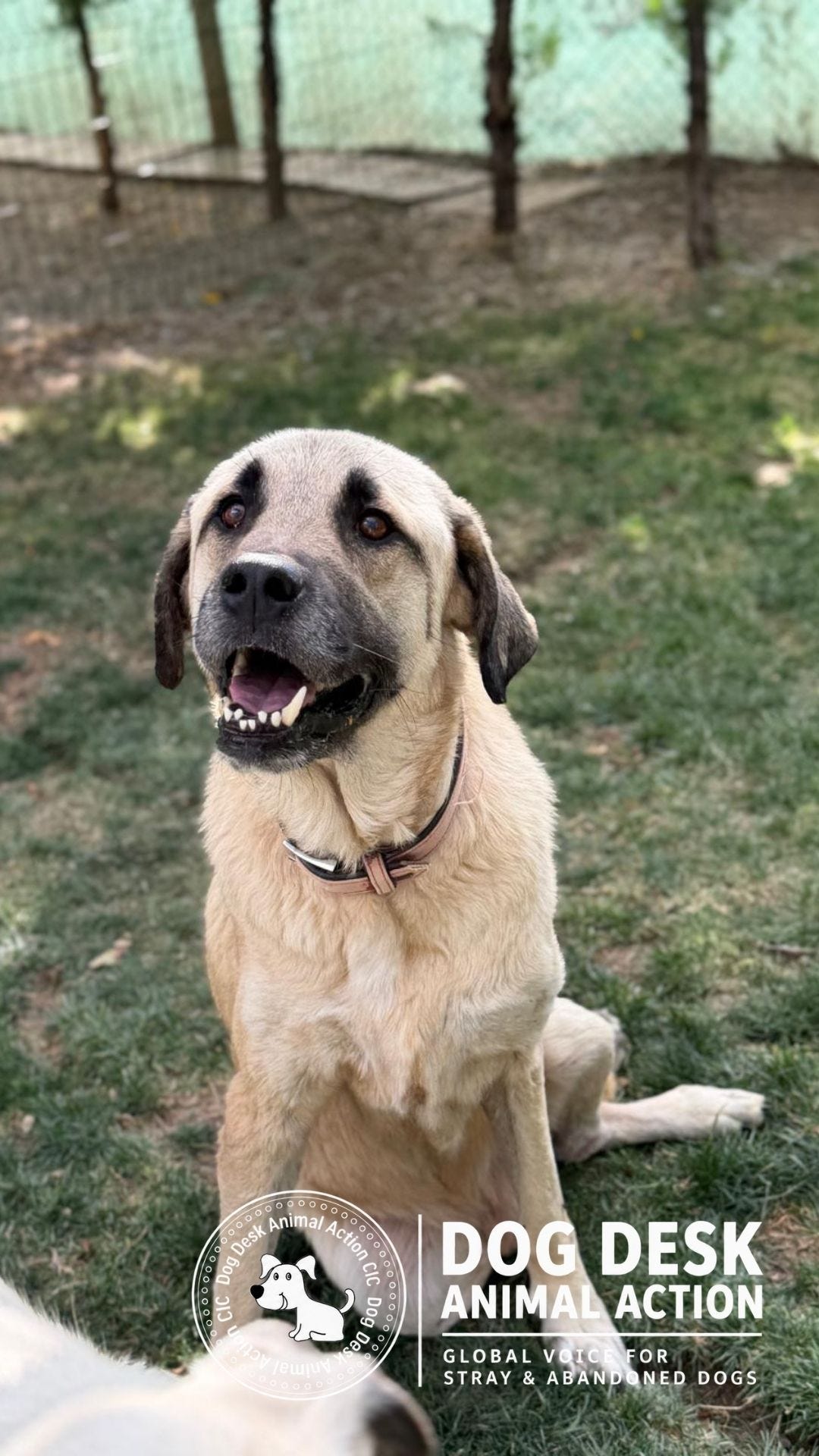
There is something we have always believed at Dog Desk. An animal’s recovery should never be measured solely by how closely they return to the life they had before. Sometimes recovery means learning to live differently, finding comfort in a body that no longer works as it once did, and discovering that happiness is still very much possible.
Chip has been working incredibly hard with Dr Bahri, who has continued his physiotherapy while also working to restore as much nerve function as possible. It has been a long journey, one that has required patience, persistence and a willingness to recognise that progress does not always arrive in the way we hope.
There have been improvements. Chip’s gait is better than it was, and those improvements are the result of a great deal of work. We are enormously proud of him and grateful to Dr Bahri for the care and dedication he continues to give him. But we also have to acknowledge the reality of Chip’s condition. Despite everything that has been done, it is unlikely that he will ever make a full recovery, or even achieve the significant improvement in mobility that we once hoped might be possible.
That is difficult to accept when you have invested so much hope in an animal’s rehabilitation. You find yourself watching every movement, looking for the smallest change, wondering whether the next session might bring another little breakthrough. You want so badly for them to have every opportunity that you can sometimes forget that the future you are imagining for them may not be the future they need in order to be happy.
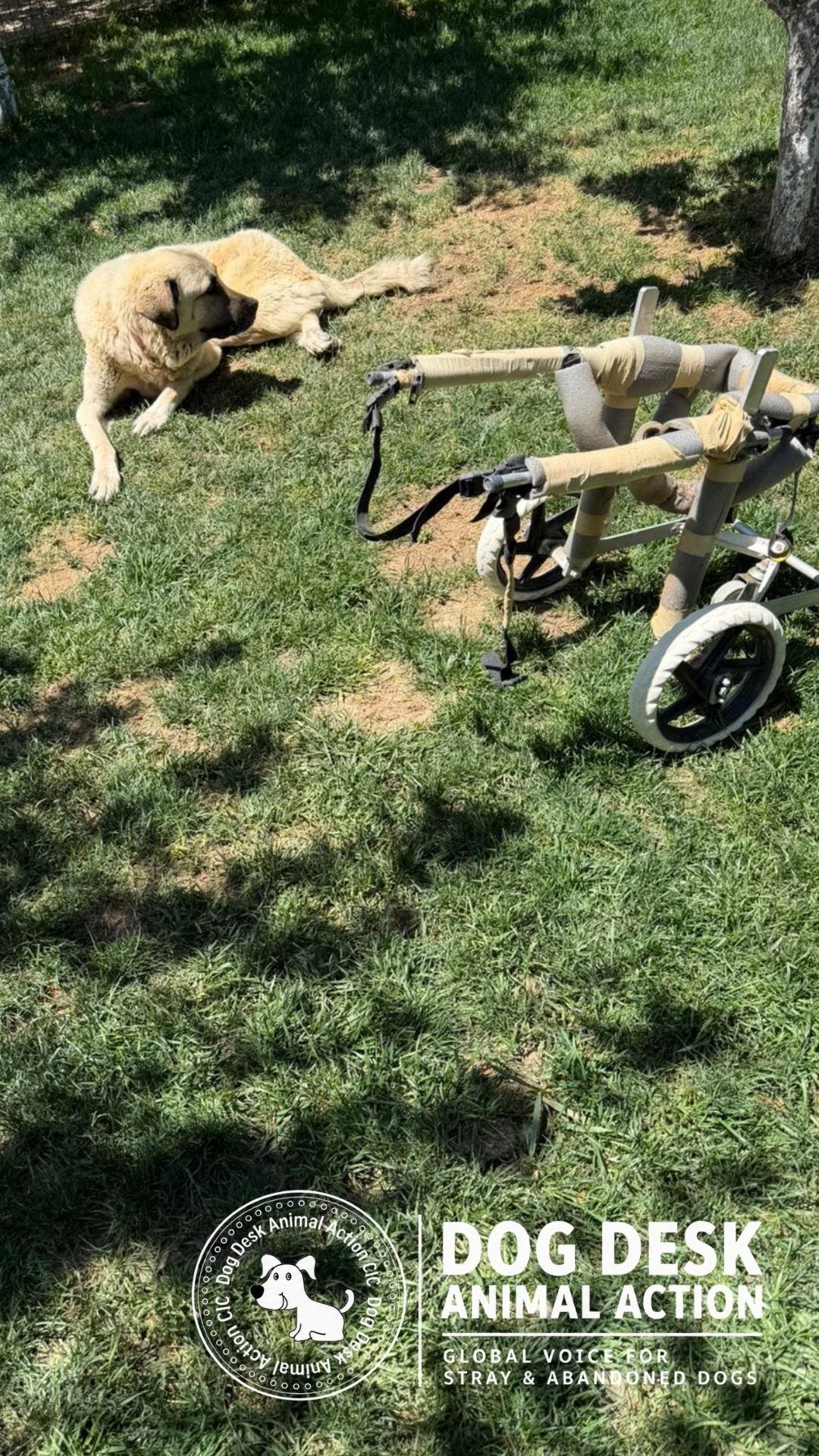
We have also tried Chip in wheels. For many dogs, a wheelchair can be an extraordinary gift, opening up a world of movement and independence that would otherwise be beyond their reach. We have seen what a difference mobility aids can make, and naturally we wanted to explore whether Chip might benefit from that same freedom.
Chip, however, has an entirely different opinion.
Put him in his wheels and he stands absolutely still. He will not take a step. We have encouraged him gently, reassured him, given him time and tried to make the experience as positive as possible. Nothing persuades him. He simply stands there, apparently determined that if we think he is going to move in that contraption, we have another thing coming!
And so we have listened to him.
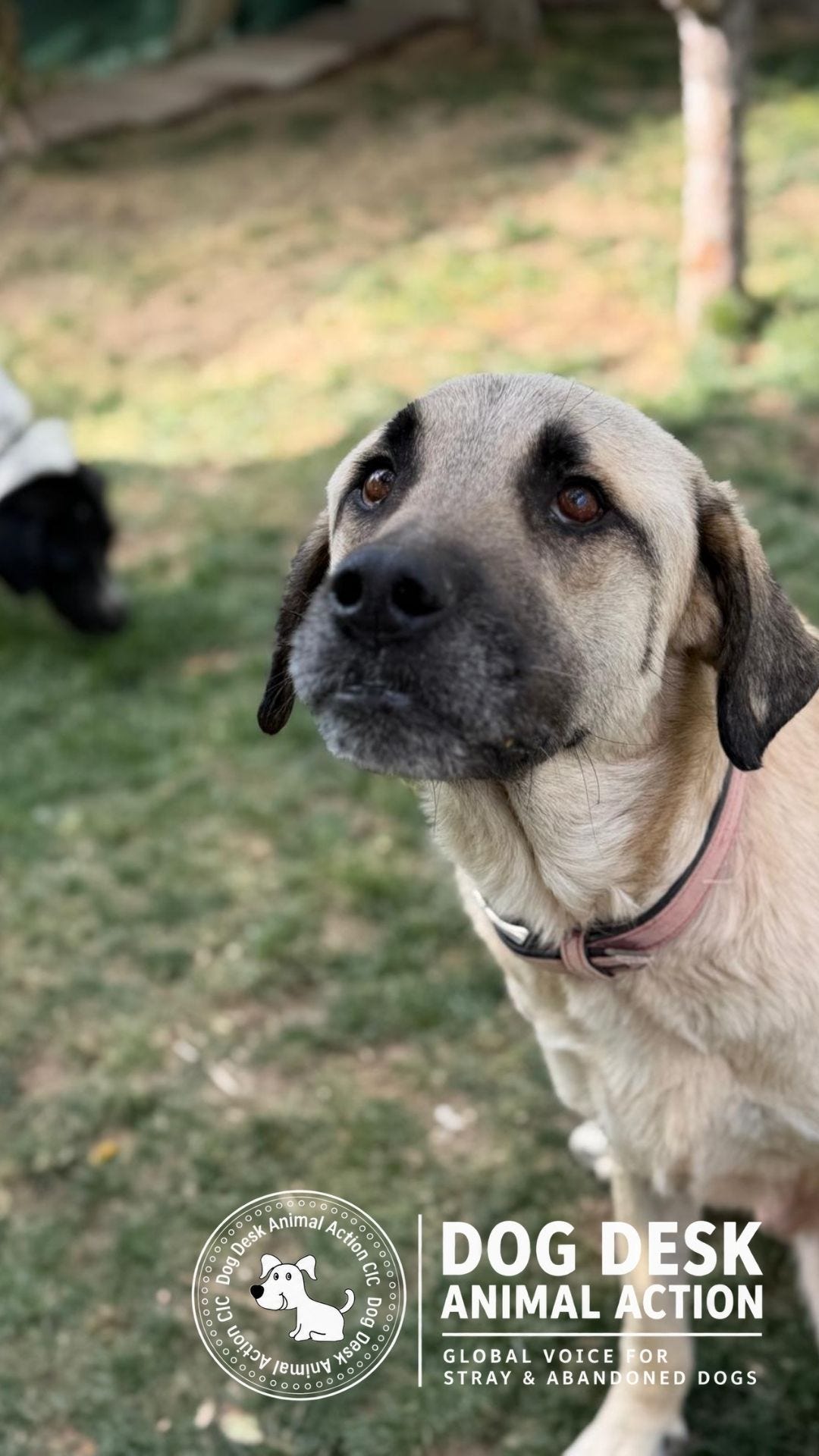
We will not force Chip to use a wheelchair that he clearly does not want to use. There is a difference between helping an animal overcome the uncertainty of something unfamiliar and repeatedly asking them to endure an experience they find distressing. Mobility aids are supposed to improve quality of life, not become a source of anxiety or frustration. Forcing movement in equipment a dog is resisting can also encourage awkward movements or place unnecessary strain on a body that is already working hard to compensate for physical limitations.
Of course, dogs do not understand the potential benefits of rehabilitation equipment in the way we do. Sometimes they need time, careful introduction and patient encouragement to become comfortable with something new. But that does not mean their reluctance should simply be ignored. Chip has shown us very clearly how he feels, and at present there is no reason to insist upon something that makes him unhappy when he is comfortable moving around in his own way.
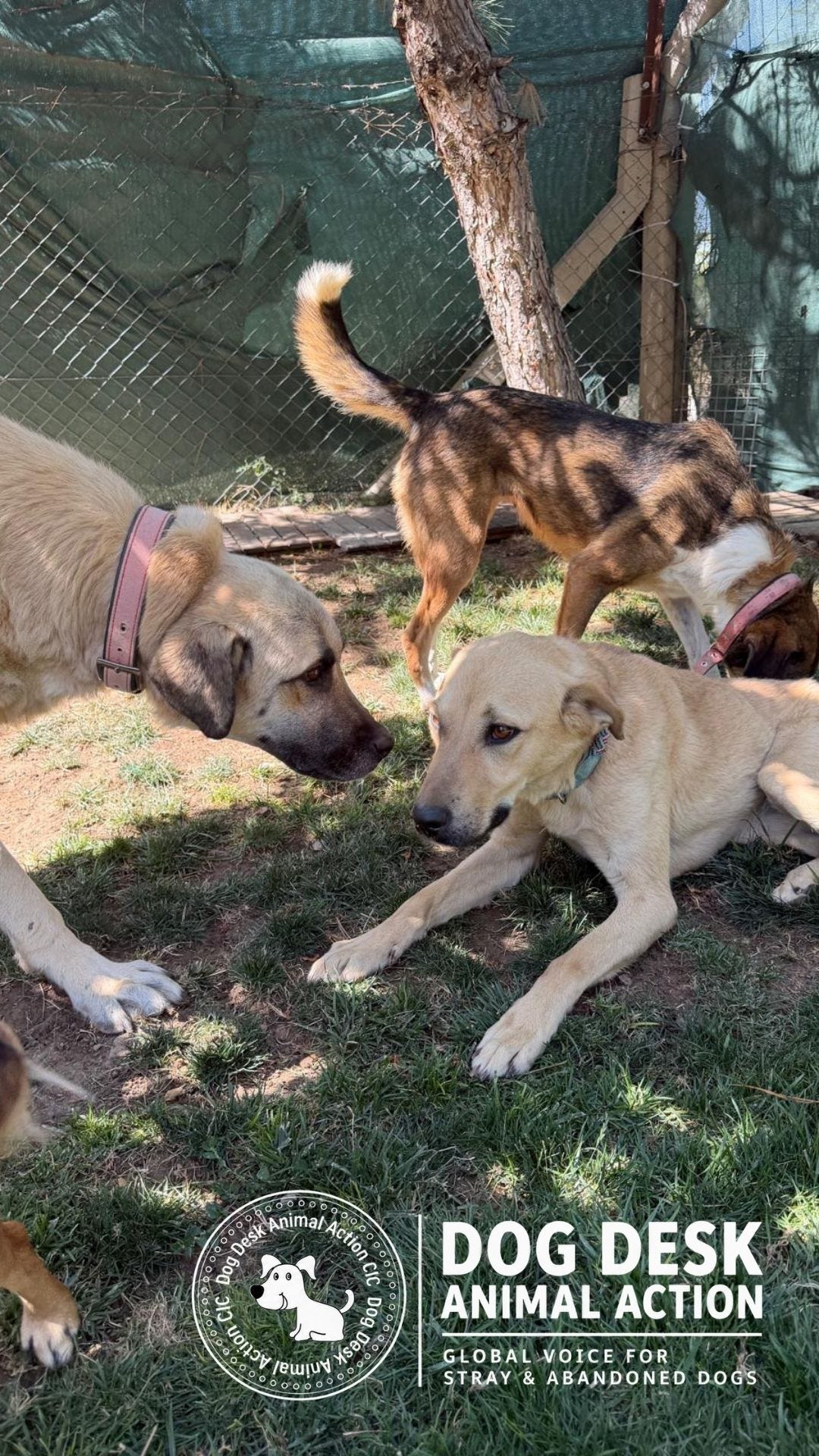
We may revisit the possibility of wheels in the future if there is a good reason to believe they would benefit him. For now, they are not part of his daily life, and we are perfectly comfortable with that decision.
What is important to understand about Chip is that he is not in pain. He is happy, he is comfortable, and he gets around in the way that works for him. His gait may not be what we would wish for, but it is his gait, and he has adapted to it.
We humans have a tendency to look at disability through the lens of what has been lost. We notice the movement that is missing, the things an animal cannot do, the difference between their body and that of an animal without physical limitations. We can become so focused on restoring what was lost that we overlook the life being lived right in front of us.
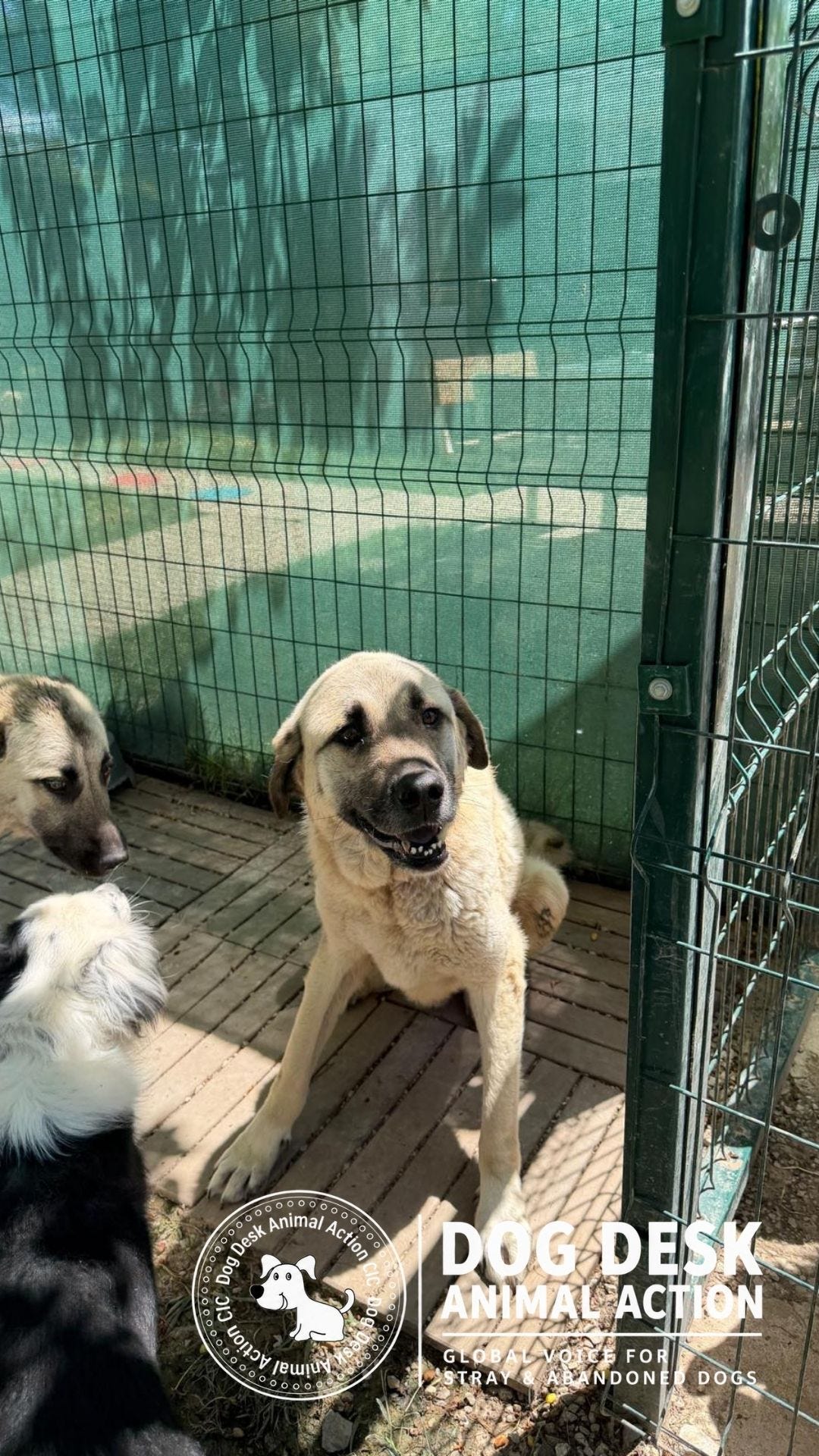
Chip is not sitting around contemplating the fact that he may never walk normally. He is getting on with his life. He enjoys his days, responds to the world around him and has no understanding of the expectations we might once have placed upon his recovery. Nor does he need to.
So, has his rehabilitation been a failure because we are unlikely to achieve the outcome we originally hoped for?
Absolutely not!
His gait has improved. He has benefited from the work Dr Bahri has done with him, and we have gained a much better understanding of his physical abilities and the support he needs. Rehabilitation is not only about restoring lost function. It can also be about preserving the function that remains, maintaining strength, supporting mobility and preventing avoidable deterioration. Sometimes the greatest achievement is not a dramatic transformation but the ability to continue living comfortably and independently.
And will we give up on him because further significant recovery is unlikely?
Not for a moment.
We will continue working with Dr Bahri, supporting Chip through physiotherapy and doing what we can to encourage and preserve nerve and muscle function. We will monitor him carefully, adapt his care when necessary and remain open to anything that might genuinely improve his quality of life. There may still be small gains to be made, and we will celebrate every one of them. Equally, if we reach a point where maintaining his present abilities becomes the principal aim of his rehabilitation, that will be a worthwhile aim in itself.
What we will not do is turn Chip’s life into an endless pursuit of a recovery that his body may simply be unable to achieve. We’ve seen people do that and it is most certainly not for us. Our interest is solely in Chip’s well-being & not what he can do to perform for an audience.
There is enormous pressure in animal rescue to produce happy endings that look a particular way. We are accustomed to seeing the dog who could not stand taking their first steps, the badly injured animal running across a field months later, the extraordinary transformation that makes everyone watching cry with happiness. Those moments are wonderful, and we celebrate them as enthusiastically as anyone.
But not every animal can give us that ending, and we must be very careful not to allow our desire for it to overshadow their actual wellbeing.
Some animals will live with permanent disabilities. Some will need support for the rest of their lives. Some will make modest improvements after months of treatment, while others will reach a point beyond which their bodies cannot recover. None of those outcomes makes their care less worthwhile, and none diminishes the value of the lives they go on to lead.
We have always said that when we take an animal into our care knowing they have a life limiting condition, we measure their life in happiness. We believe that same principle should guide the way we care for animals living with permanent physical disabilities. Their lives should not be measured against what they cannot do, but by their comfort, their enjoyment of life and the opportunities we can give them to experience both.
Chip has worked tremendously hard. So has Dr Bahri. The fact that we may never see Chip walking normally does not erase a single improvement they have achieved together.
We will keep supporting him, keep encouraging him and keep looking for ways to make his life as good as it can possibly be. If his mobility improves further, we will be delighted. If it does not, we will continue to give him exactly the same love, care and commitment.
And if Chip never changes his mind about those wheels, that is fine too.
Because the purpose of everything we do for him is not to produce a remarkable recovery story for other people to admire. It is to give Chip the best possible life.
Chip does not owe us a miracle. He does not owe us a perfect gait or a triumphant first walk in his wheelchair. He does not owe us anything at all.
We made a commitment to him, and that commitment was never conditional upon how much he might recover.
He is happy. He is loved. He is comfortable. And we are not finished helping him.
That is not failure.
That is what caring for Chip was always supposed to be about. ❤️