

Close the Shelters: Gemlik and the Crisis Inside Turkey’s Stray Dog Management System

Across Turkey, municipal animal facilities were originally conceived as temporary treatment and rehabilitation centres.
Under the long-standing framework of humane population management, dogs were meant to be captured, treated, vaccinated, sterilised and then returned to the areas where they lived. The model recognised that street dogs were part of the urban ecosystem and could be managed through veterinary intervention rather than permanent confinement.
That framework changed dramatically in 2024, when new legislation authorised municipalities to remove dogs from the streets and hold them in shelters rather than returning them.
In theory, municipalities were expected to expand infrastructure and care capacity to manage this shift.
In practice, many were completely unprepared for the scale of confinement the law created.
Facilities built as small treatment centres have rapidly become long-term holding sites for large numbers of animals, often without the space, staffing, veterinary capacity or operational planning required to manage them humanely.
As intake increases and resources fail to keep pace, conditions in many shelters are deteriorating rapidly.
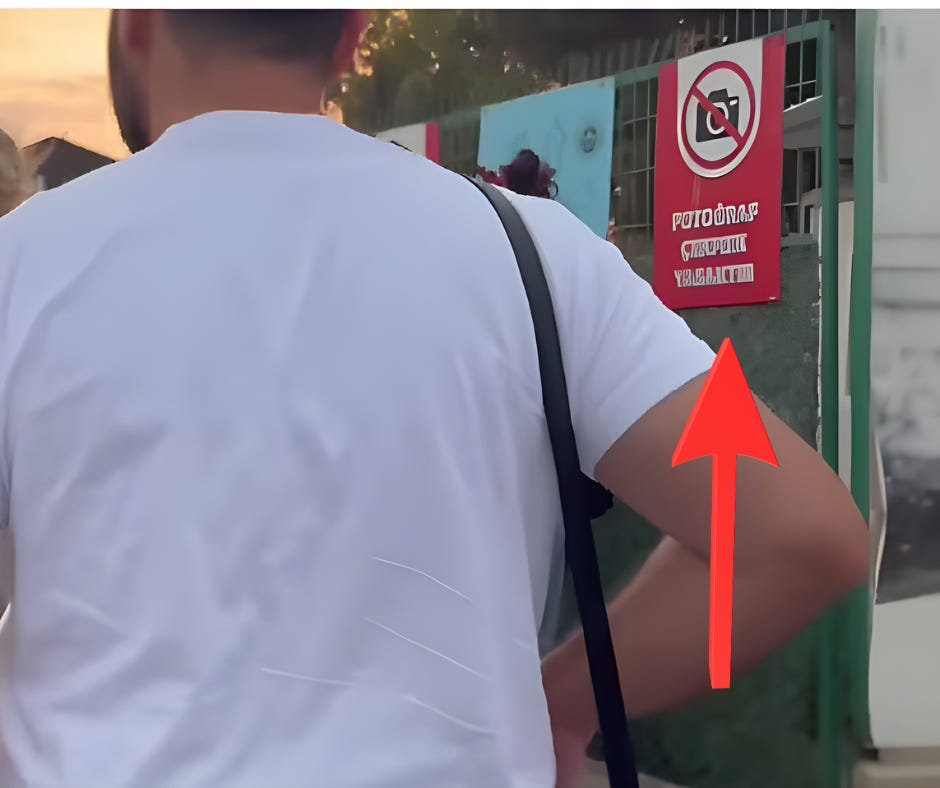
Recent reports emerging from the municipal shelter in Gemlik, Bursa, have once again drawn attention to the conditions animals are enduring behind closed gates.
The Situation in Gemlik
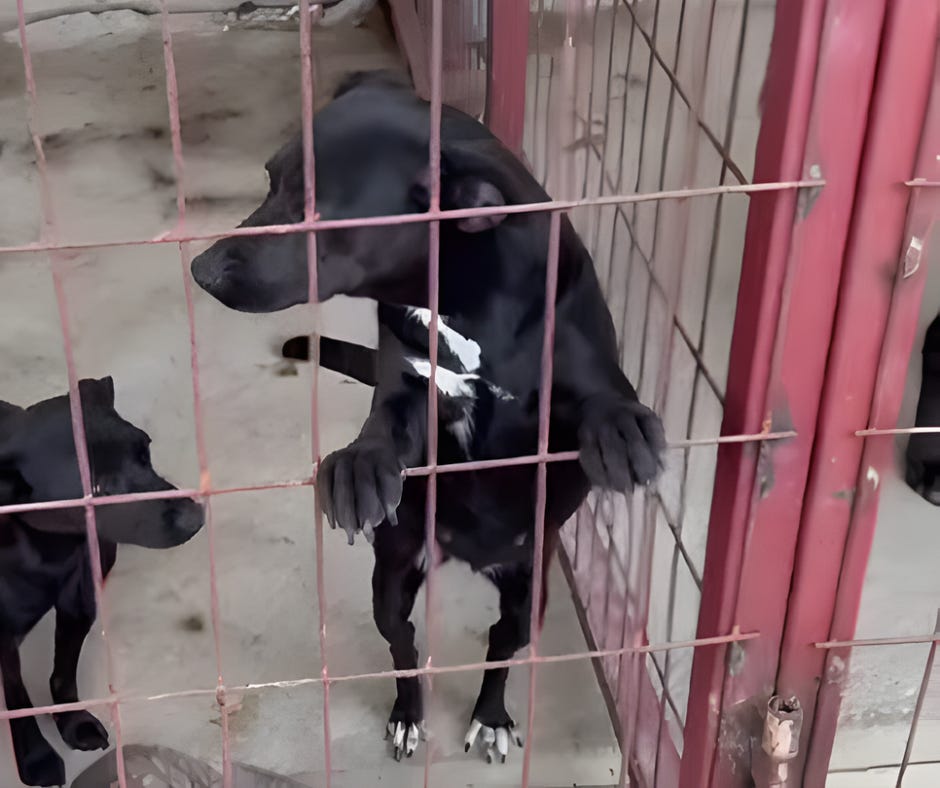
Images and testimony circulating from the Gemlik municipal shelter describe conditions that should not exist in any animal facility.
Observers report:
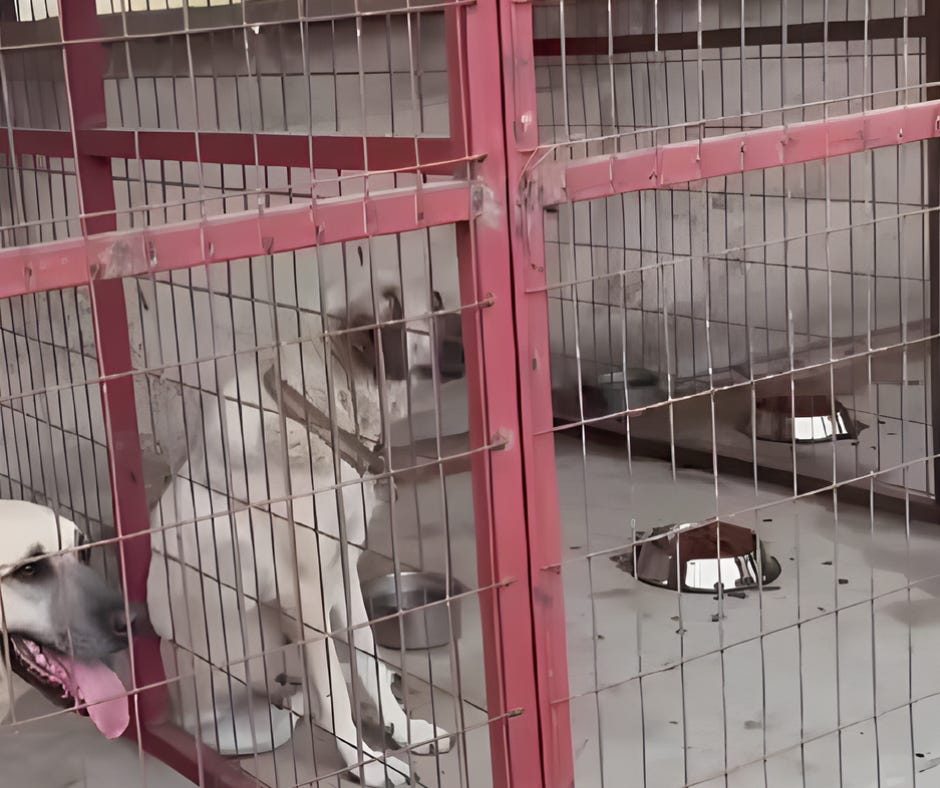
Animals confined to small cages filled with water, mud and waste
Severely overcrowded enclosures with little space to move
Hunger and visible distress, dogs were eating the remains of a kennelmate
Serious allegations that animals are being systematically eliminated
If confirmed, these conditions represent not simply poor management but a profound failure of the duty municipalities assume when they remove animals from the streets.
But Gemlik is not an isolated case.
A Pattern Seen Across Many Municipal Shelters
For those working in animal welfare in Turkey, the problems being reported in Gemlik are tragically familiar.
Across numerous municipal shelters, similar structural failures are reported repeatedly by citizens, volunteers and animal welfare groups.
Common issues include:
Overcrowding and warehousing
Shelters designed for short stays become indefinite holding sites where dogs spend months or years confined in overcrowded pens.
Flooded and unsanitary conditions
Poor drainage and maintenance leave animals standing in water, mud and accumulated waste, creating environments where disease spreads quickly.
Lack of veterinary care
Many shelters lack functioning medical facilities or consistent veterinary presence. In numerous cases, citizens or NGOs step in to treat animals, when access is permitted at all. Many facilities are closed to the public.
No quarantine systems
Incoming animals are often placed directly into communal pens without quarantine.
Puppies are frequently housed with adult dogs, increasing the risk of:
infectious disease
injury
fatal fights
Inconsistent or absent vaccination
Without systematic vaccination programmes, preventable disease spreads rapidly in confined environments.
Insufficient staff and training
Shelter staff are often:
too few in number
lacking formal training in animal handling
unsupported by veterinary oversight
Deaths from fights, illness and neglect
In overcrowded conditions, deaths occur from:
untreated disease
injuries sustained during fights
starvation and stress
In documented cases, dogs have also been deliberately killed within shelters sometimes in full view of other dogs.
When Shelters Become Places of Danger
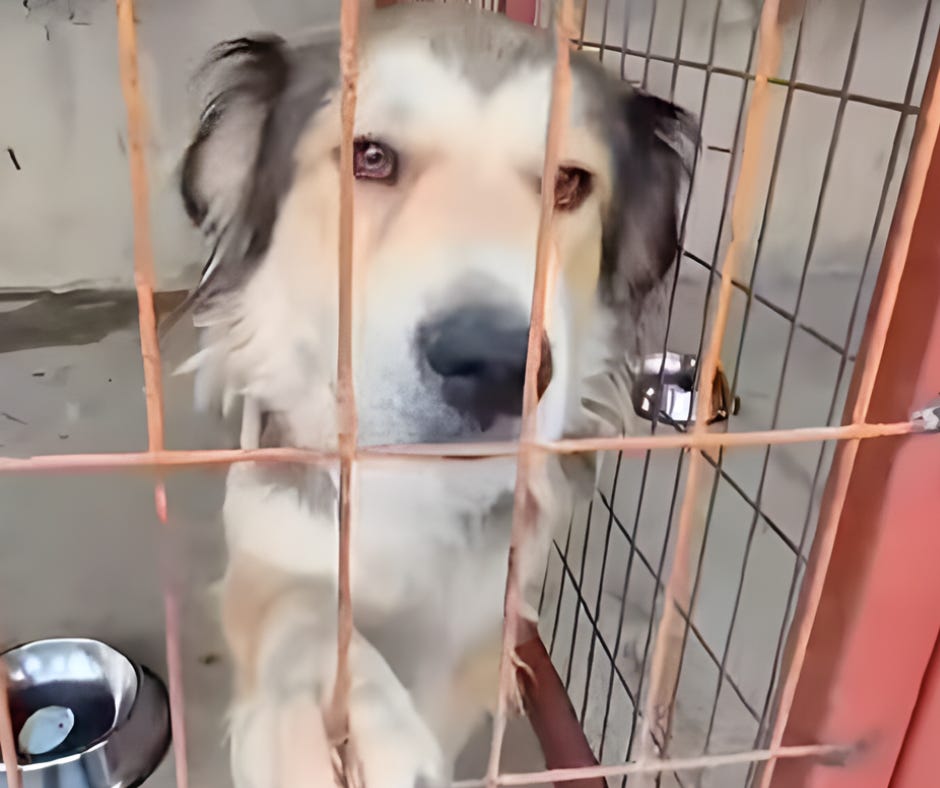
Municipal shelters should represent safety.
Instead, many have become places where animals disappear from public view and oversight becomes limited.
Once dogs enter these facilities:
access is often restricted
transparency is limited
and suffering continues unseen.
A system originally designed around treatment and return has, in many locations, turned into one of indefinite confinement without adequate care.
The Structural Problem
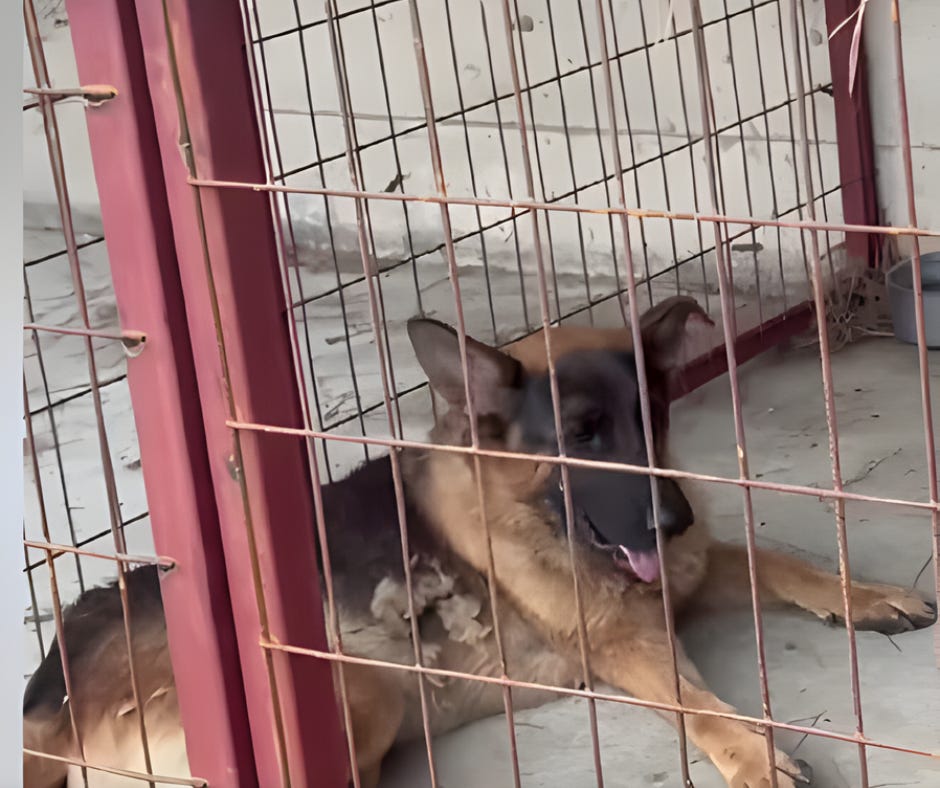
The crisis being exposed in Gemlik reflects a deeper reality.
Turkey’s shelter system was never built to confine the country’s street dog population.
The 2024 legislation dramatically increased intake without the infrastructure required to support it. Municipalities now face numbers they were never equipped to manage.
The result is predictable:
overcrowded shelters
deteriorating welfare
preventable suffering
rising death rates.
Without major structural reform, these conditions will continue to worsen.
A Necessary Question
A shelter should be a place where animals recover.
If dogs enter a facility and instead face illness, injury, starvation or death, then that facility is not functioning as a shelter at all.
It has become a containment site for suffering.
The situation reported in Gemlik is not an isolated scandal. It is a visible symptom of a national system that is collapsing under policies it was never prepared to implement.
Until municipalities can demonstrate that animals in their custody receive proper veterinary care, safe housing, disease control and trained supervision, these facilities should not continue operating as they currently do.
If a shelter cannot provide care, it should not be holding animals.
That is why Dog Desk Animal Action is calling for failing municipal shelters to be shut down until humane standards can be guaranteed.
You can support that call by signing the petition:
https://www.change.org/repealturkeyslaughterlaw
Removing dogs from the streets without the ability to care for them does not solve a problem.
It simply moves suffering behind a gate.