


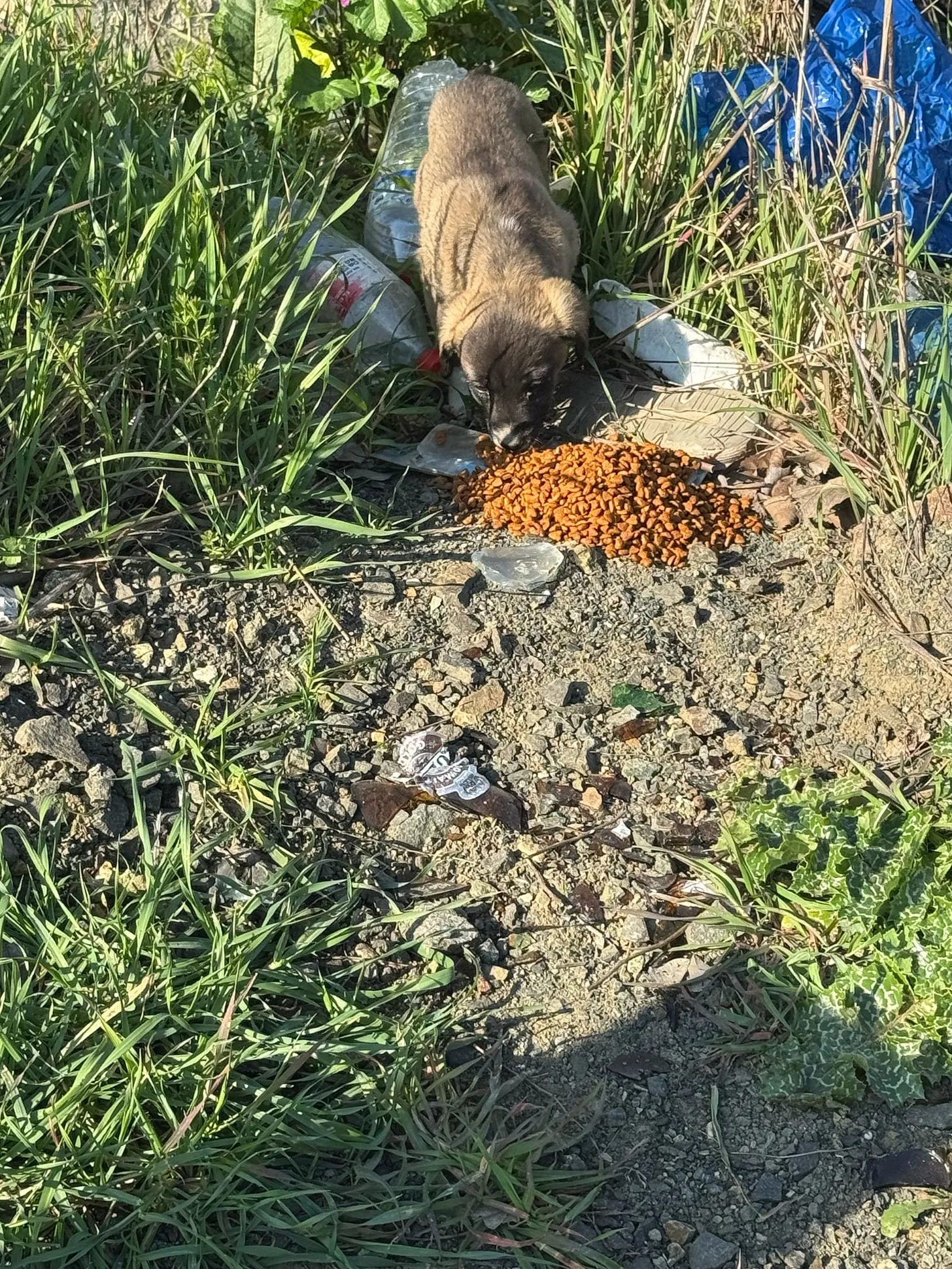
A successful legal challenge confirms that measures targeting so-called uncontrolled feeding cannot override the protections contained in Turkey’s animal welfare law.
Across Turkey, thousands of people feed street animals every day.
Most do it quietly. A bag of food carried through neighbourhood streets in the evening. Bowls of water left in shaded corners during the summer heat. Small routines repeated day after day so that the animals who live in those places do not go hungry.
These acts of care rarely attract attention.
Until they become the subject of a court case.
Recently, the 15th Administrative Court in Ankara examined a challenge to a decision made by the Ankara Governorship’s Provincial Animal Protection Board. The decision sought to prevent what authorities described as uncontrolled feeding of stray dogs in public areas.
The case has now concluded and the challenge was successful.
The court annulled the decision.
The Decision That Was Challenged
In November 2025, the Ankara Provincial Animal Protection Board adopted a measure aimed at preventing what it described as uncontrolled feeding of stray dogs.
The decision suggested that:
feeding points in public areas could be removed
feeding stray dogs in public spaces could be restricted
administrative penalties could be applied where feeding was considered to threaten public order, sanitation, or safety
The justification offered by authorities was that uncontrolled feeding could create risks in public spaces.
This framing has appeared increasingly in municipal discussions about stray animal management.
However, critics argued that such measures risk punishing the very people who help animals survive.
A Citizen Takes the Case to Court
A citizen named Zehra Selin Aksu brought a legal challenge against the decision.
Her argument was simple.
Turkey already has legislation governing the protection of animals, Law No. 5199 on the Protection of Animals. The law establishes that animals must be protected from suffering, cruelty, neglect, hunger, and thirst.
According to the case brought before the court, restricting feeding could directly undermine those protections.
If animals are prevented from accessing food in the places where they live, the result is not improved welfare management.
The result is hunger.
What the Court Decided
After reviewing the case, the 15th Administrative Court of Ankara annulled the decision of the Provincial Animal Protection Board.
In doing so, the court effectively ruled that the measure aimed at preventing so-called uncontrolled feeding could not stand as issued.
The ruling represents an important clarification of how animal welfare law must be interpreted when policies affecting street animals are introduced.
It confirms that administrative decisions cannot easily override the legal framework established by the country’s animal protection legislation.
The Legal Context
Turkey’s Animal Protection Law No. 5199 is built on several key principles.
The law states that animals:
are living beings entitled to protection
must be safeguarded from suffering and cruelty
must not be left hungry, thirsty, or neglected
Municipalities are also assigned responsibilities under the law, including:
establishing shelters
providing veterinary care
rehabilitating stray animals
protecting them until adoption
In practice, however, municipal capacity varies widely.
This gap is often filled by community carers, the citizens who feed and monitor animals living on the streets.
The Role of Community Feeding
Across many cities in Turkey, feeding by members of the public forms part of the informal system that allows street animals to survive.
These individuals often:
monitor local dog populations
alert veterinarians to injured animals
assist with sterilisation efforts
ensure animals have access to food and water
For many animals, these carers are the only consistent source of support.
Restricting feeding without providing an effective alternative system risks creating exactly the suffering the law seeks to prevent.
Feeding and Public Policy
Authorities sometimes frame feeding restrictions as necessary for public order, sanitation, or safety.
However, animal welfare specialists often point out that structured feeding programmes can support population management rather than undermine it.
When feeding points are known and consistent:
animals are easier to monitor
sterilisation campaigns can be organised more effectively
vaccination coverage improves
roaming behaviour can decrease
In other words, feeding can become part of responsible management rather than a source of disorder.
Why This Ruling Matters
The Ankara decision is significant beyond the details of a single case.
Across Turkey, debates about street dogs have intensified in recent years. Municipalities, provincial authorities, and national institutions are all under pressure to respond to public concerns about stray animal populations.
In that environment, measures aimed at restricting feeding have appeared as a policy response.
This court ruling signals that such measures must still comply with the legal protections already established for animals.
Administrative policy cannot simply override those protections.
The Reality on the Ground
While legal debates unfold in courtrooms and policy discussions continue in government offices, daily life on the streets continues as it always has.
Dogs still wait in the places where they know food may appear. Community carers still arrive with bags of food and bottles of water.
And the fragile balance that allows animals and people to coexist continues to depend on small acts of responsibility repeated every day.
A Wider Question
The deeper issue raised by this case is not simply whether feeding should be restricted.
It is whether governments are prepared to replace the care currently provided by ordinary citizens.
Until municipal systems can reliably ensure that every street animal receives:
food
medical care
sterilisation
and safe shelter
the role played by community carers will remain essential.
This ruling does not end the debate about how street animals should be managed.
But it does reaffirm an important principle. The people who feed street animals are not creating the problem.
In many places, they are helping hold the system together.
A Dog Desk Perspective
At Dog Desk Animal Action, we see the role of community carers every day.
Across many of the places where we work, street dogs survive because ordinary people take responsibility for the animals living around them. These individuals often know every dog in their neighbourhood. They monitor injuries, alert veterinarians when a dog is in trouble, and ensure animals have access to food and water.
This informal network of care rarely appears in policy discussions, yet it plays a crucial role in maintaining stability for both animals and communities.
Legal decisions like the one in Ankara recognise something that many people on the ground already understand:
Feeding street animals is not simply an act of kindness.
It is what makes us human.