

Cruelty for Clicks: When Animals Become Content

1. The Vanished Account: @adana.babas5
A now-deactivated account—adana.babas5—was recently called out for sharing disturbing animal videos on tiktok before disappearing from the platform altogether.
While the exact content isn’t accessible anymore, it asked for follows & in return for each follow the account holder would punch their cat.
Turkish animal advocates have taken steps to urgently bring the cat to safety
2. TikTok “Trends” That Hurt Animals
One such trend involved pet owners spinning cats, dogs, and even rabbits by their front legs for laughs and viral attention. Veterinary professionals have strongly condemned this, warning it can cause joint strain, dizziness, nausea, and even serious injuries—especially in fragile animals.
Another notorious challenge, the #PutItInABun, encouraged tying pets’ ears with hairbands to capture their confused reactions. While it may appear harmless, experts warn it can cause lasting damage, such as painful aural hematomas.

3. Disturbing Viral Content Spanning Platforms
In one cringe-worthy instance, a video showed live crabs being seasoned and placed in an air fryer purely for views.
Videos have also surfaced of employees repeatedly whipping a horse—graphic footage that circulated widely before platforms took action.
4. Monkeys Misportrayed—Often Abused
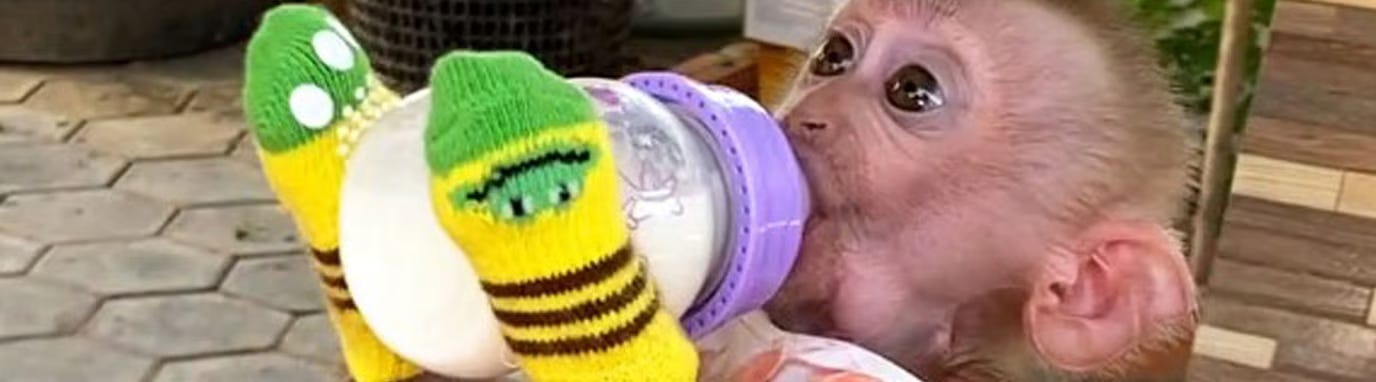
A joint report by animal welfare groups (SMACC) revealed that between Sept 2021 and March 2023, over 1,200 videos on platforms like TikTok, YouTube, and Facebook featured macaques as pets—often in distressing situations. The findings were harrowing:
60% displayed overt physical abuse
13% showed psychological torture
12% involved outright torture
Many of these videos had collectively been viewed billions of times—yet remained online and profitable.
5. A Growing Crisis in the UK
The RSPCA has flagged a noticeable rise in animal cruelty driven by social media engagement—reports of people filming and sharing cruel acts (like using catapults against wildlife) have increased. Platforms like TikTok and Instagram allow these videos to spread rapidly, reaching millions and normalizing such behaviour.
Why This Matters—and What You Can Do
Animals feel pain and distress, regardless of how 'cute' or comedic a video may seem.
Social media platforms bear responsibility to act—TikTok’s updated policy now explicitly prohibits animal cruelty and allows users to report such content. tiktok.com
You can help:
Do not like, share, or comment on videos showing animal distress
Report them immediately through platform features
Use your voice: create or share educational content on animal welfare and responsible pet ownership
Please share to raise awareness, thank you