


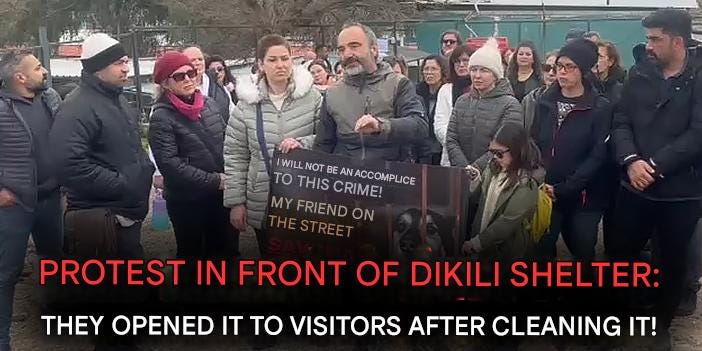
In the days following the broadcast of secretly recorded footage from the Dikili Municipal Animal Shelter, a familiar pattern unfolded. After public outrage erupted, the shelter was reportedly cleaned and then reopened for visits. According to local media, municipal officials and representatives invited the press and the public to inspect the facility once the worst visible signs of neglect had been removed.
But a washdown is not accountability, and a staged visit is not transparency.
Cosmetic Measures, Structural Cruelty
Scrubbed floors and replaced bowls cannot erase what the cameras documented: animals living in filth, suffering from untreated wounds, malnutrition, dehydration, and disease. These were not temporary oversights caused by a single bad day. They were the visible outcomes of a system that had been allowed to decay over time, with living beings paying the price.
When authorities act only after exposure cleaning, repainting, and arranging controlled visits the focus shifts from the animals’ long-term welfare to institutional reputation management. The problem is no longer the suffering itself, but the fact that it was seen.
Allowing visits after an emergency clean-up raises a critical question:
Why were the doors not open before the footage emerged?
True transparency means continuous, independent access, not guided tours once public pressure becomes unbearable. It means regular inspections by veterinarians and animal welfare organisations, public reporting of conditions, and clear responsibility for neglect. Without these, any reopening is merely a performance.
From Evidence to Intimidation
Equally disturbing are the reports that those who exposed the conditions now face legal consequences. When whistle blowers are treated as criminals and institutions as victims, the message is chilling: silence is safer than truth. This does not protect animals. It protects systems that fail them.
The Bigger Picture
Dikili is not an isolated case. Across Turkey, and in many other countries, shelters risk becoming warehouses of suffering when laws, funding, oversight, and compassion fail to align. Recent legal changes and political rhetoric have further weakened the already fragile safety net for stray animals, creating an environment where neglect and slow killing can be normalised under bureaucratic cover.
Cleaning Is Not Justice
Justice for the animals of Dikili will not come from disinfectant and fresh paint. It will come from:
Independent, unannounced inspections
Full veterinary assessments and treatment records made public
Legal accountability for neglect and abuse
Protection, not prosecution, of those who document wrongdoing
A transparent plan for long-term welfare, not short-term image repair
The footage forced the truth into the light. What happens now will show whether that light leads to real change or whether it is simply switched off once the walls look clean enough for the cameras again.