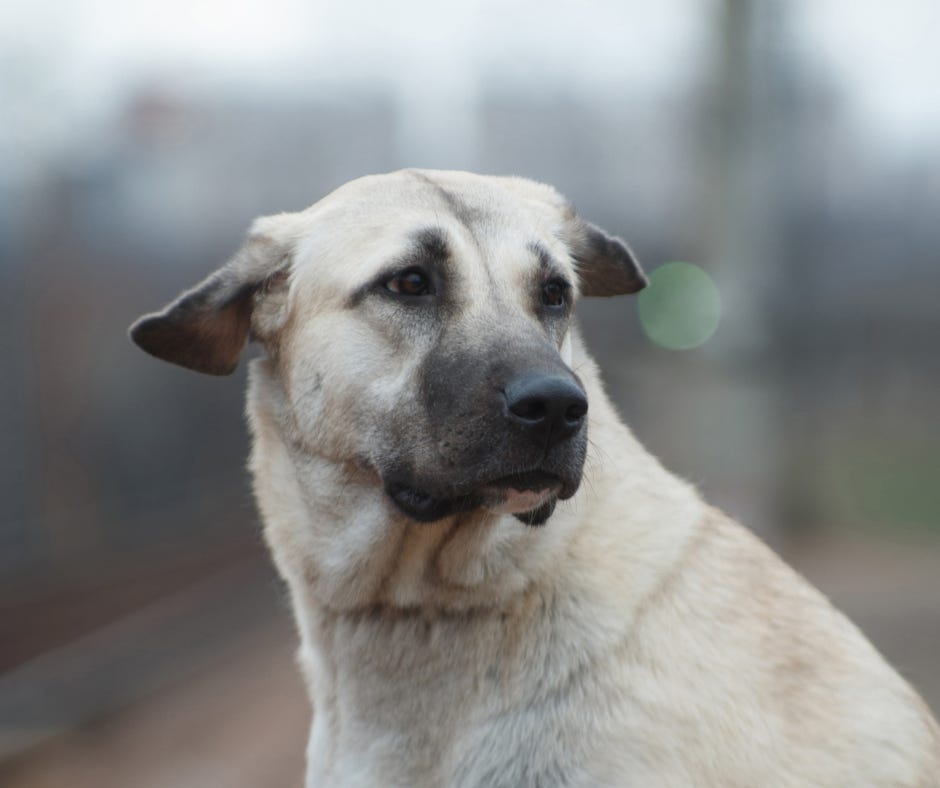
Dog collection inspectors are heading across Türkiye’s 81 provinces as the government steps up scrutiny of municipalities implementing its stray dog policy. For the community dogs who remain on the streets, and the people who have spent years feeding, treating and protecting them, what happens next matters enormously.
It would be easy to read reports of inspections involving animal shelters, treatment and animal welfare and assume that this is primarily about checking whether dogs are being properly cared for. Those things are important, and we will be watching closely for any inspection findings relating to conditions inside facilities. But these inspections are taking place within the government’s much wider drive to remove stray dogs from public spaces and ensure municipalities comply with the legislation.
That makes the dogs who are still outside particularly important.
In August, Interior Minister Ali Yerlikaya said that 97% of stray dogs had been collected. If accurate, it would mean that the overwhelming majority of a street dog population once measured in millions has already been removed. Yet community dogs remain in towns and cities across Türkiye, many of them living alongside people who know them individually and have cared for them for years.
These are not necessarily unknown dogs wandering without care. Many have names. People feed them every day. They know which dog needs medication, which one is elderly, which one is frightened of strangers and which one sleeps outside a particular shop or apartment building. Some communities have paid for veterinary treatment and sterilisation themselves. Relationships between people and these dogs may have existed for years.
Now those dogs are living within a national collection system under increasing scrutiny.
If inspectors arrive in a province and determine that dogs remain on the streets, the crucial question is what happens to the municipality afterwards. Is it instructed to increase collection? Are collection teams sent into neighbourhoods more frequently? Are municipalities given targets or deadlines? And what happens to dogs who have remained safely within communities because local people are actively caring for them?
For Dog Desk Animal Action, this is where the inspection programme becomes particularly concerning. Pressure to collect dogs can be increased very quickly. Care capacity cannot.
A municipality can send another collection vehicle onto the road. It can instruct teams to pick up more dogs. It can remove dozens of animals from a neighbourhood in a day. Creating safe accommodation for those animals is considerably harder. Veterinary capacity, trained staff, quarantine space, treatment facilities, food, water, shade and proper monitoring cannot simply appear because collection has accelerated.
We have already seen evidence of collection putting pressure on existing capacity. In Diyarbakır, the municipality acknowledged that its existing animal care centre exceeded capacity as dogs collected by 17 district municipalities entered the system. Temporary areas were subsequently created within the site of a much larger natural living area that is still being developed.
That should make us ask what happens if inspections result in additional pressure on municipalities across the country at the same time.
Türkiye has been rapidly expanding shelters and so called natural living areas, some with very large stated capacities. Capacity on paper, however, does not tell us whether thousands of dogs can safely live there. A facility may have space for another enclosure without having another veterinarian, another trained carer or sufficient clinical facilities to meet the needs of the animals inside it.
Nor does capacity tell us about outcomes. We still need the records that should accompany a collection programme of this scale. If millions of dogs have been removed from public spaces, the public should be able to see how many entered each municipal system, how many remain there, how many were adopted or transferred and how many died or were euthanised.
A national percentage telling us how many dogs have supposedly been collected cannot replace those records.
For community carers, there is another question. What protection is there for a dog who is healthy, sterilised, known locally and being responsibly cared for if municipal collection activity intensifies following an inspection?
That dog may have food every day. It may have somebody watching for illness or injury. It may have people willing to pay for treatment. Removing it from that community does not automatically improve its welfare. If the destination is an overcrowded or inadequately staffed facility, the opposite may be true.
This is why Dog Desk Animal Action will be watching what happens after inspectors visit each province, not simply whether an inspection took place. We need to know what inspectors found, what instructions municipalities received and whether collection activity subsequently increased. We also need to know where dogs collected afterwards were taken and whether the facilities receiving them had the capacity to care for them safely.
We will be particularly interested in reports from community carers. If dogs who have been living safely within communities begin disappearing following municipal inspections, that matters. If collection vehicles suddenly become more active, that matters. If known dogs are taken and carers cannot establish where they have gone, that matters too.
There is nothing unreasonable about requiring municipalities to account for their responsibilities towards animals. Shelters should be inspected. Conditions should be scrutinised. Veterinary provision should be examined and every dog inside a municipal system should be accounted for.
But an inspection programme must not become simply another mechanism for counting how many dogs have been removed from the streets.
The measure of success cannot be an empty pavement, it has to be what happened to the dog who used to live there.


