

United Kingdom Policy impact & welfare pressure
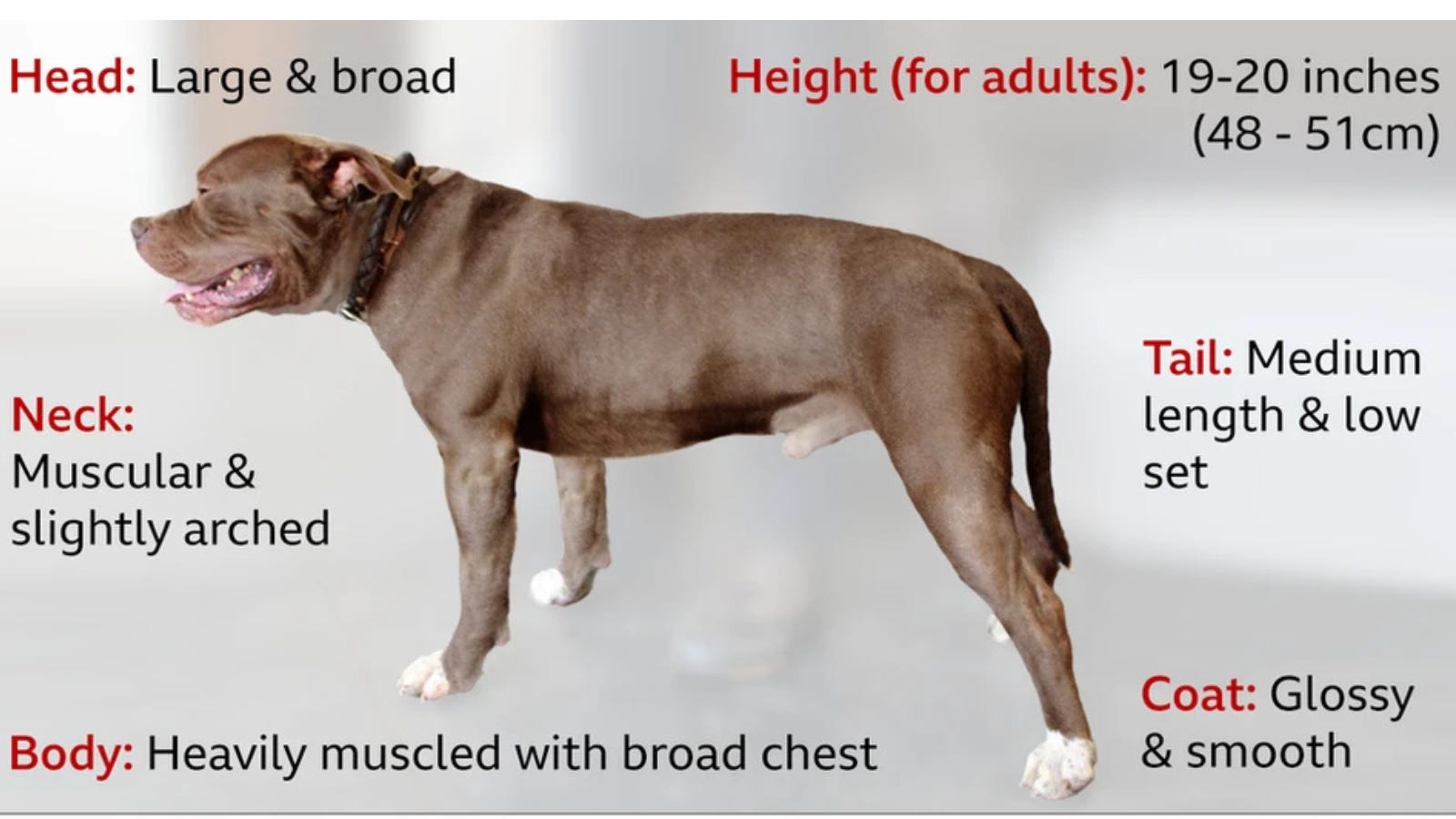
Police costs linked to the XL Bully ban have more than tripled, driven by long-term kennelling and veterinary care.
Delays in court cases are leaving dogs confined for extended periods, raising welfare concerns.
Policy decisions do not end at legislation they create long-term welfare consequences inside systems not built to absorb them.
United Kingdom Community engagement
Over 200 dogs participated in a charity event at Coronation Street, raising funds for welfare organisations.
Public affection for dogs remains strong even as policy and media narratives become more restrictive.
Australia Access restrictions & rights debate
New regional plans propose restricting dogs from parts of beaches and public spaces.
A human rights review concluded these restrictions are lawful, with compensation through dedicated dog parks.
Dogs are not being removed from society but they are being reshaped into controlled, designated spaces.
United States Legal battle over breeding standards
A court has dismissed a lawsuit by PETA against the American Kennel Club (AKC).
The case argued that breed standards promote unhealthy physical traits, including flat faces and spinal issues.
The debate is shifting beyond cruelty toward whether the way we breed dogs is itself causing harm.
Philippines Enforcement gaps in animal cruelty laws
Despite existing legislation, campaigners report low prosecution rates for cruelty cases.
Cases frequently fail due to:
Lack of evidence gathering
Limited enforcement capacity
Laws alone are not enough without enforcement, protection exists only on paper.
South Korea — Tightening regulation after deaths in care
Authorities are moving to strengthen oversight of pet boarding and care facilities following multiple dog deaths.
Proposed measures include:
Mandatory CCTV in facilities
Stricter licensing and inspections
Clearer accountability for negligence
Where systems fail visibly, regulation follows but often only after harm has already occurred.
Global Patterns Emerging
1. Control is increasing
From breed bans to restricted access, dogs are increasingly managed, contained, and regulated.
2. Systems are under strain
Kennels, courts, and enforcement bodies are absorbing pressure — often beyond capacity.
3. The root causes remain unresolved
Breeding practices, population control, and education continue to lag behind reactive policy.
4. A growing contradiction
Dogs are:
Deeply valued in communities
Increasingly restricted in policy
These realities are now colliding.
DDAA Perspective
Across continents, the same pattern is emerging:
Dogs are being pushed to the edges of society not because they have changed,
but because systems around them are failing to keep pace.
Without coordinated, evidence-based strategies sterilisation, responsible breeding, enforcement, and education this trajectory will continue.
End of bulletin
Dog Desk Animal Action
Real stories. Real cases. Real change.