
Dogs and Donkeys Allegedly Fed to Zoo Animals in Gaziantep: Demanding the Truth

Allegations That Shocked the Public
In recent days, alarming allegations have emerged from Gaziantep, drawing national and international concern. Social media reports have circulated claims that dogs and donkeys were being slaughtered and used as feed for carnivores in the city’s zoo.
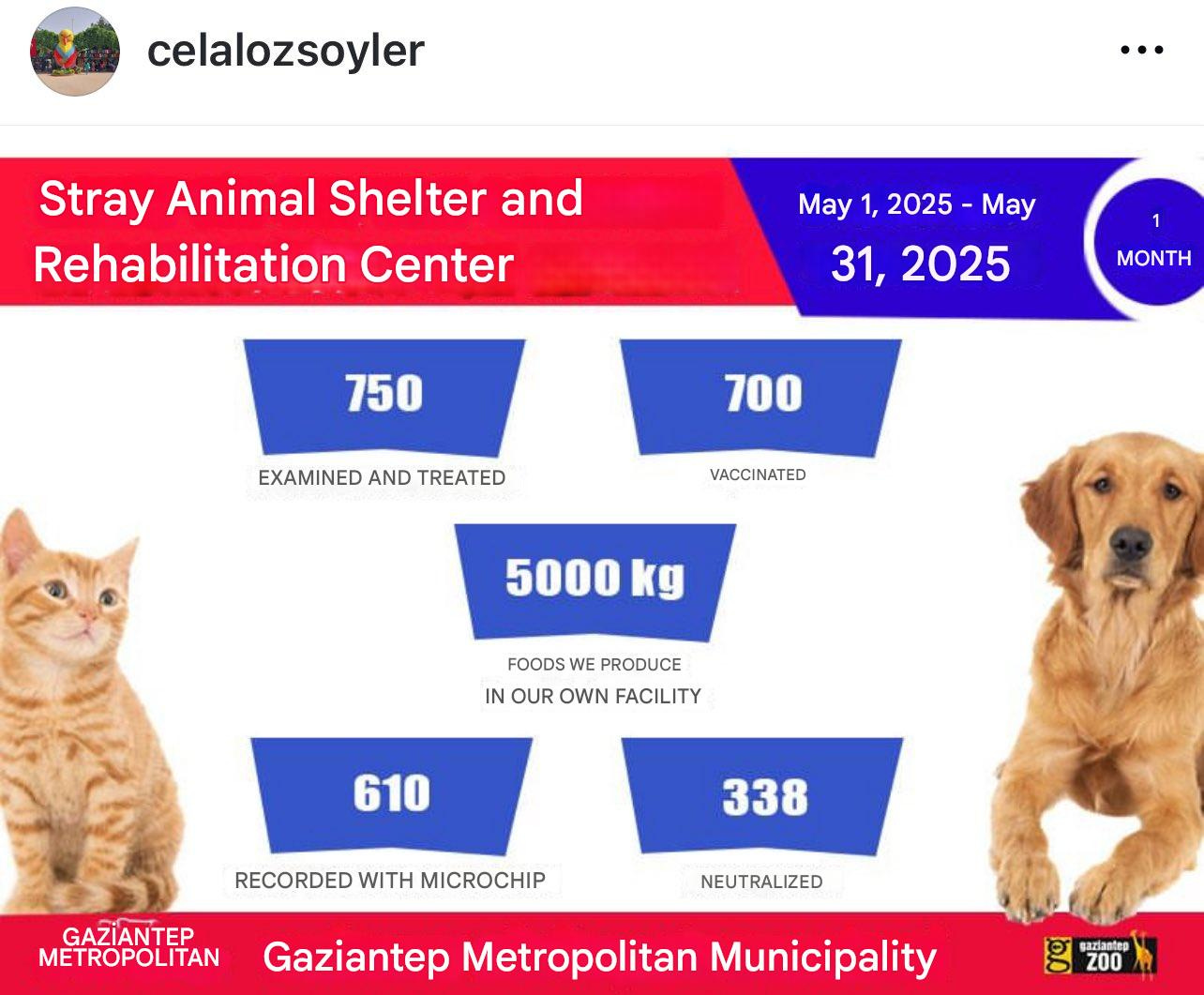
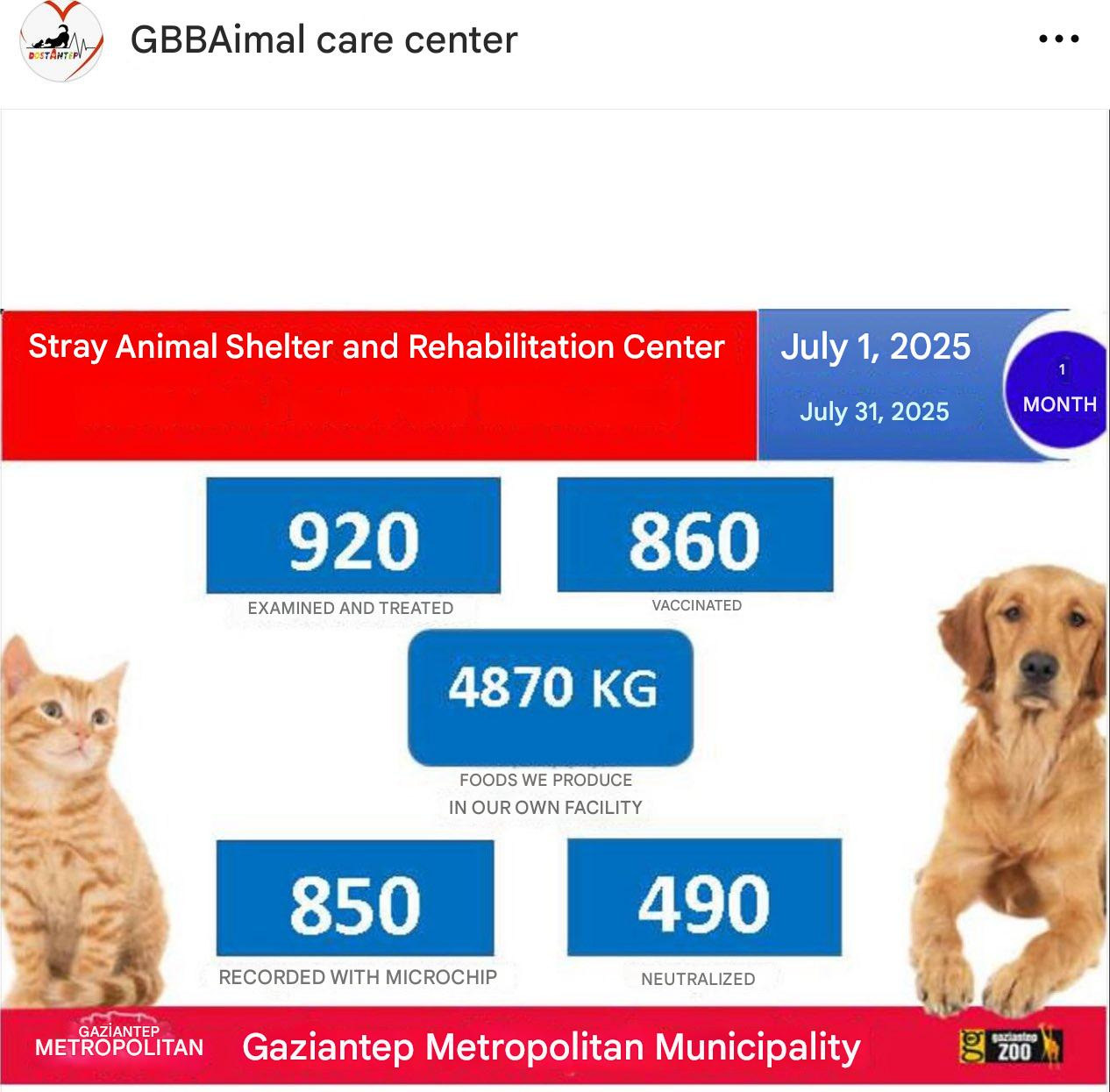
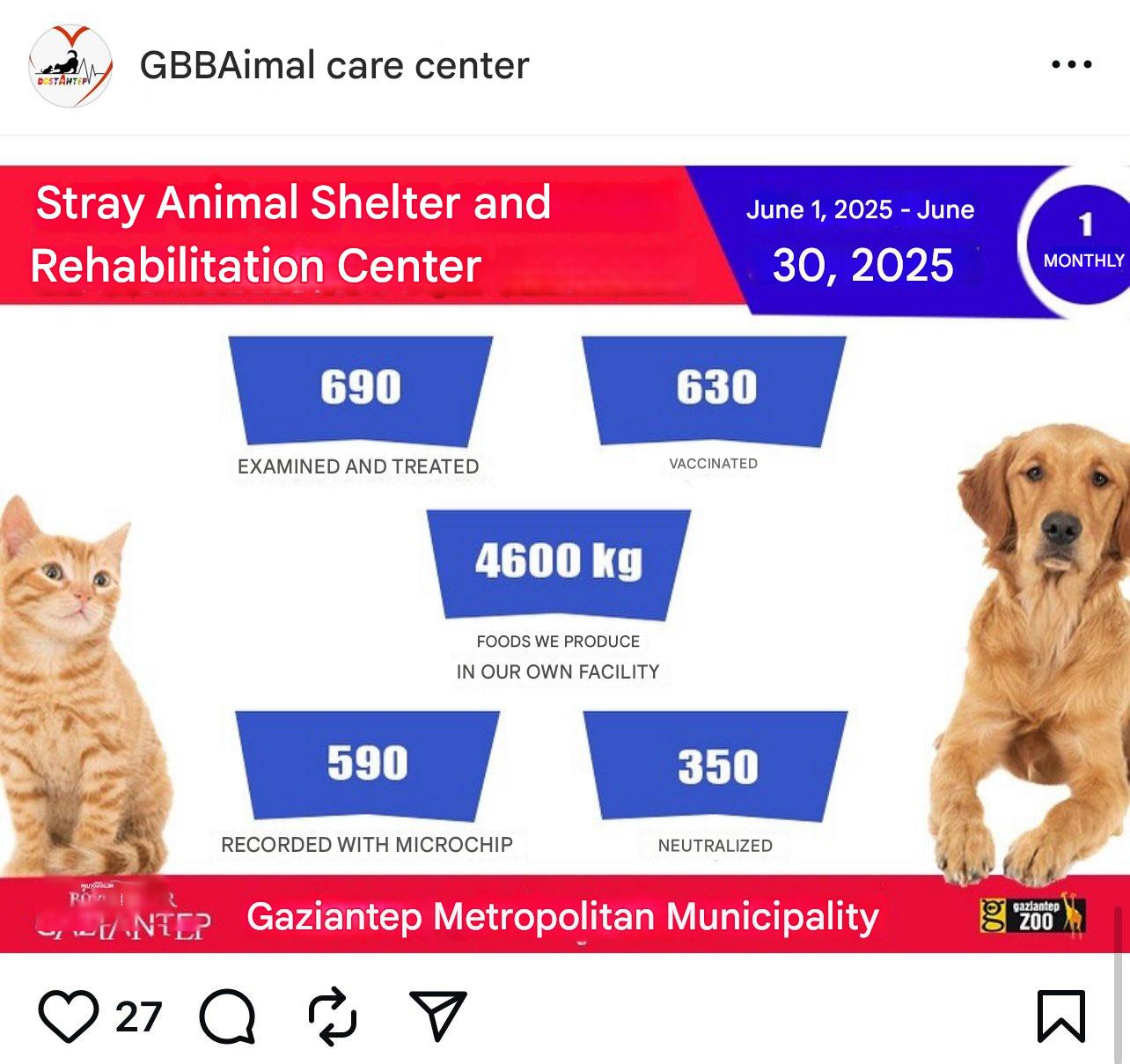
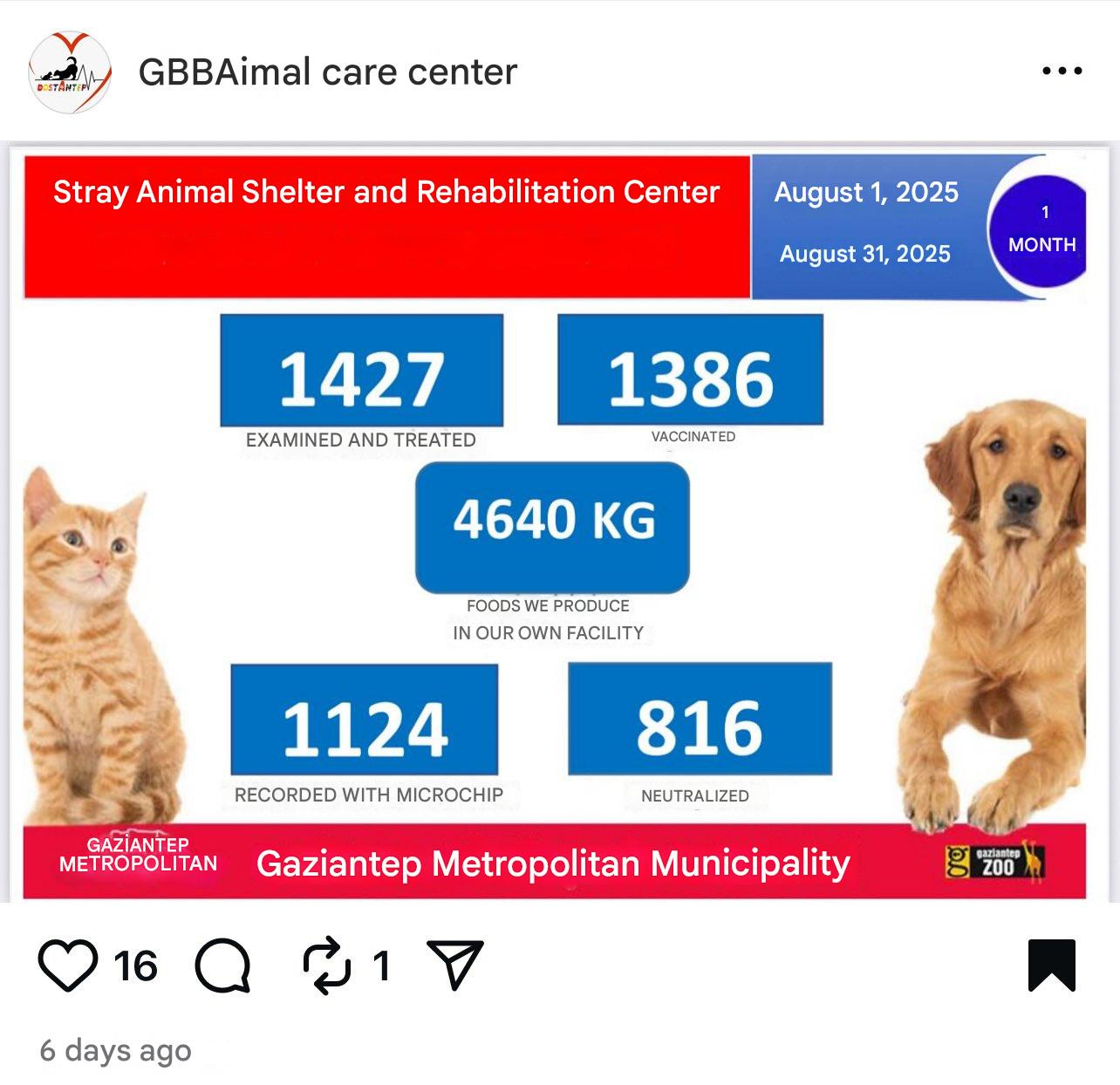
According to some posts, more than 3,000 stray animals have been microchipped in the area, but only a few hundred are in the shelter. Where are the others?
These accusations have understandably caused outrage among animal lovers and welfare organisations. The suggestion that vulnerable animals could be disappearing from municipal care has raised urgent questions about transparency, oversight, and accountability.
The Municipality’s Official Response
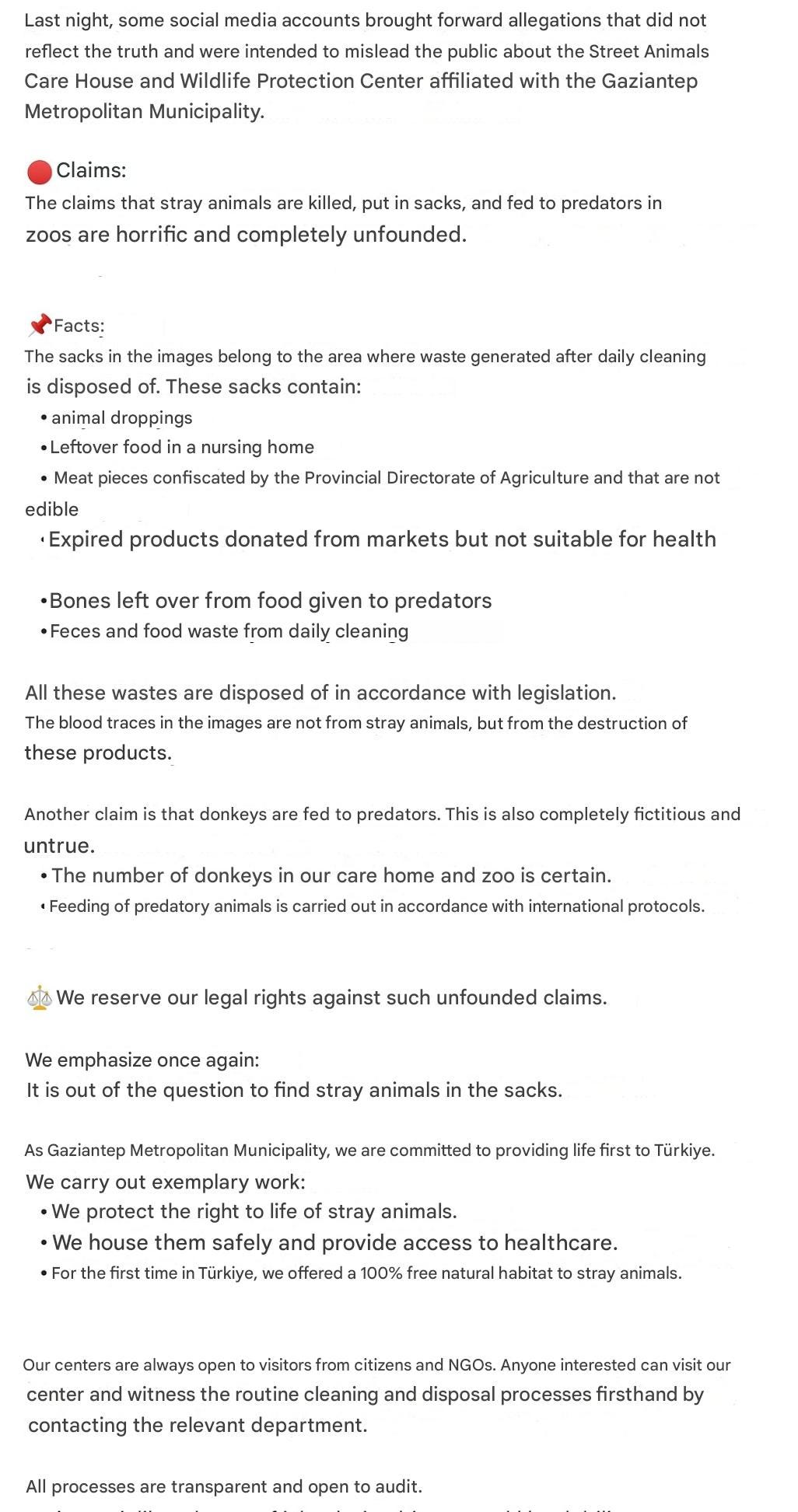
On 13 September 2025, the Gaziantep Metropolitan Municipality issued a formal statement firmly rejecting the allegations. Officials described the claims as both horrific and baseless. They explained that the videos and images circulating online, which purported to show bags of animal remains, had in fact been misinterpreted. According to their statement, the bags contained a mixture of cleaning waste, expired or unsuitable donated meat, confiscated unusable products from the agricultural directorate, and food remnants from predator feedings.
The municipality emphasised that predator diets at the zoo follow internationally recognised protocols and denied that shelter animals are being used as feed. To strengthen their position, they invited inspections of the facility, stating they had nothing to hide.
Unresolved Questions and Data Gaps
Although the municipality has publicly denied the allegations, many questions remain unanswered.
The most pressing of these is the apparent discrepancy between the number of animals reported as microchipped and the significantly lower number of dogs recorded in the shelter.
Without transparent data that reconciles intake figures with outcomes such as adoptions, transfers or euthanasia it is impossible to be assured
Our Call for Transparency
In light of these concerns, Dog Desk Animal Action has wants to see:
Comprehensive microchip registers with species-level breakdowns;
Daily shelter intake and outcome logs, including adoptions, transfers, deaths, and euthanasia (with cause);
Veterinary reports and necropsies for deceased animals;
Feeding procurement records for zoo carnivores, including invoices and receipts;
Carcass and clinical waste disposal documentation.
These records are not extraordinary requests they are basic accountability tools that any responsible authority should be able to provide. Their release would either confirm the municipality’s denial or raise legitimate grounds for further investigation.
The Path Forward
The situation remains inconclusive, but it is clear that trust has already been damaged. Official denials alone are not enough to restore confidence. Only hard evidence, verifiable, transparent records, subject to independent scrutiny—can settle the matter.
Until such evidence is produced, suspicion will remain.
Past experience warns us that where there are unanswered questions and missing animals, the truth may be deeply uncomfortable. Dog Desk Animal Action will continue to press for transparency, accountability, and justice for the animals who cannot speak for themselves.
Our Request under the Law on the Right to Information (No. 4982) and the Petition Law (No. 3071)
Dog Desk Animal Action is deeply concerned by reports regarding the fate of stray dogs and donkeys in Gaziantep. Allegations circulating widely suggest that large numbers of animals have been microchipped but remain unaccounted for, and that some may have been slaughtered and fed to zoo carnivores.
To clarify the situation and ensure public trust, we respectfully request the following records for the period 13 May – 13 September 2025:
Microchip registers with numbers by species.
Intake and outcome logs (including adoptions, releases, transfers, deaths, and euthanasia with cause).
Veterinary reports and necropsy records.
Feeding procurement records for zoo carnivores.
Carcass/waste disposal records from licensed companies.
Current inventory of equines (horses and donkeys).
CCTV retention policy for waste and feeding areas.
These are routine accountability documents, and their release will help to dispel rumours, rebuild trust, and demonstrate the municipality’s commitment to transparency and animal welfare.
We kindly request that the above records be shared in digital form (PDF) at your earliest convenience.