

Dogs and Grief: Understanding Canine Mourning and Protecting Their Emotional Wellbeing


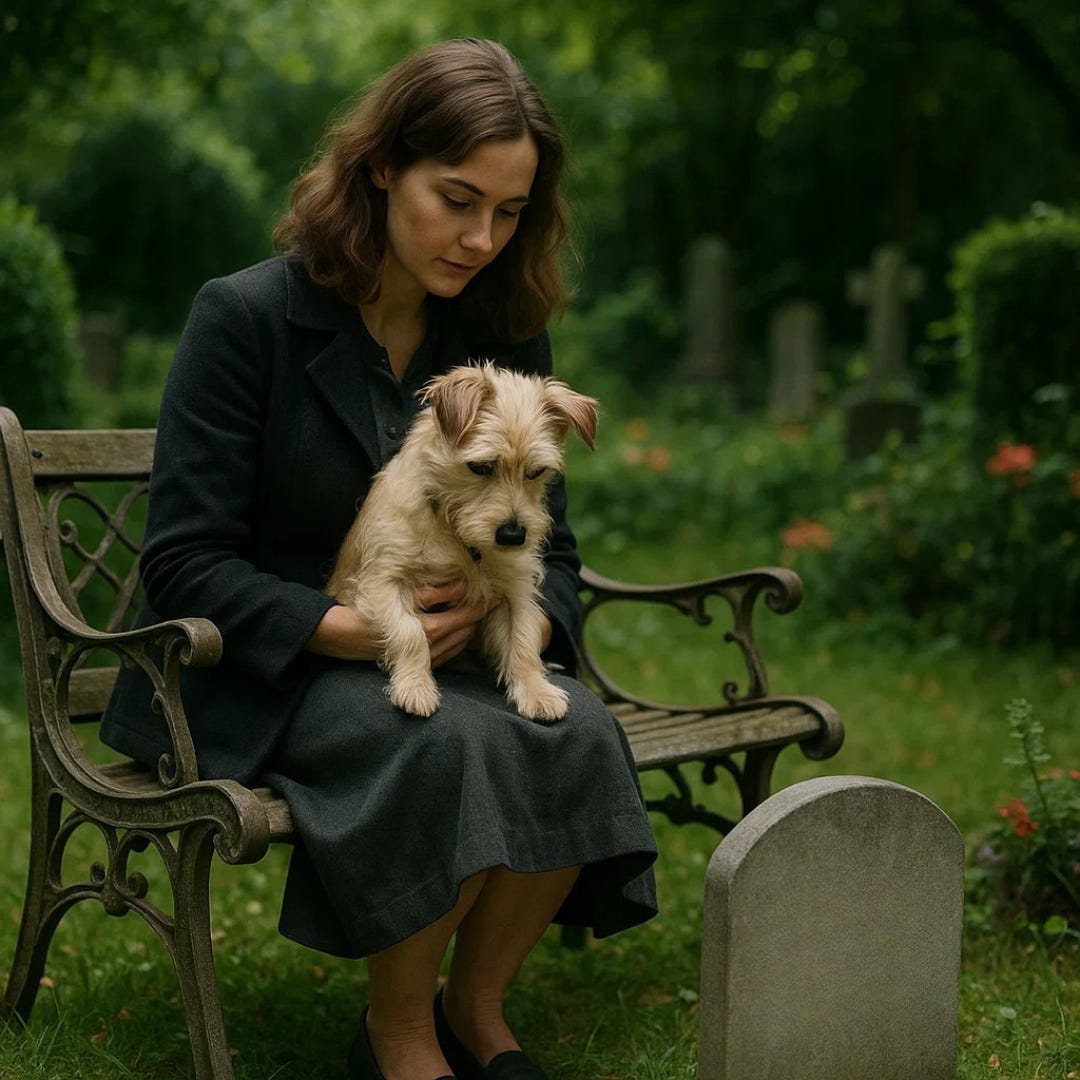
When a dog loses a bonded companion, whether canine or human, the grief they experience is profound. Dogs form deep attachments, and science increasingly recognises their capacity for grief-like behaviours: changes in appetite, withdrawal, searching, whining, or altered sleep patterns (Bekoff, 2007; Archer & Winchester, 1994). Just as humans require sensitivity and time when dealing with loss, so too do dogs.
Yet some practices following the death of an animal can worsen rather than ease a dog’s distress.
Imagine someone saying they would like to cremate their beloved dog in the garden of their home, having seen a similar practice shared on the internet.
While the intention may come from a place of love and a wish to honour their pet, this act is both unsafe and, in many countries, unlawful.
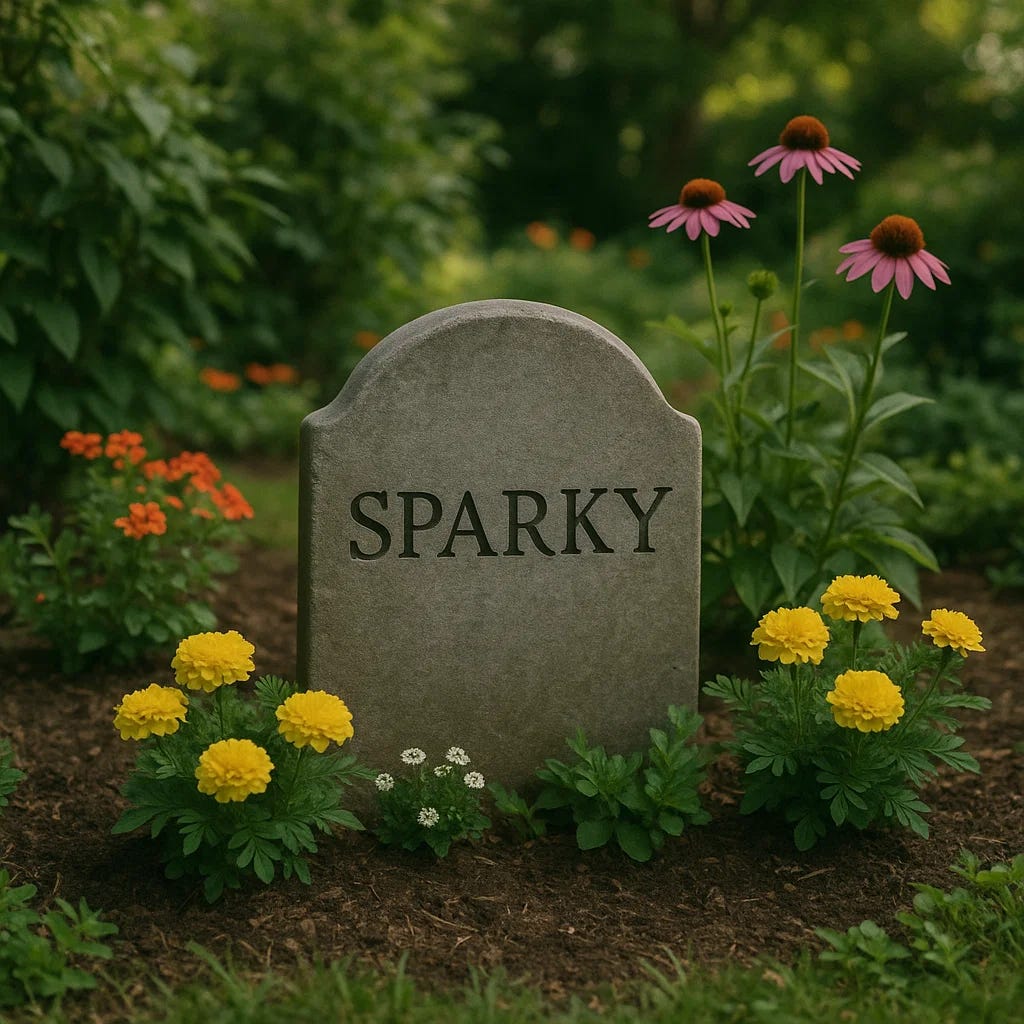
The Legal Position on Garden Cremation
In addition to the emotional harm caused to dogs, it is important to note that it is illegal to cremate a dog (or any pet) by burning the body in a garden or open outdoor space in the UK and most of Europe.
Under UK law, the Environmental Protection Act 1990 and the Animal By-Products Regulations 2013 set out strict rules for the disposal of animal remains. These laws prohibit open-air burning of animal carcasses because of the risks of pollution, public health hazards, and animal welfare concerns. Pet cremation may only be carried out by a licensed pet crematorium that complies with waste management and emissions standards.
Home burial of pets is permitted under certain conditions (for example, on land you own, away from water sources, and only if the animal was not carrying a disease transmissible to humans). But outdoor burning is never legal.
By extension, any attempt to involve a surviving dog in such a home garden cremation ritual not only risks severe emotional trauma for the animal but also places the human guardian in breach of the law.
Human Health Risks of Burning Animal Remains
Burning the body of a dog (or any animal) in a garden or open fire also carries serious health hazards:
Toxic Smoke and Particulates
Incomplete combustion of animal remains produces harmful smoke, fine particulate matter, and toxic compounds such as dioxins and carbon monoxide (WHO, 2016). Inhaling these can damage the lungs and increase cardiovascular risks.Pathogen Risk
Backyard fires do not reach the high temperatures needed to reliably destroy infectious agents. If the deceased animal carried bacteria, viruses, or parasites, they may survive and be released into the environment.Soil and Water Contamination
Residues from burning can leach into soil or groundwater, polluting the environment (European Commission, 2005). Licensed crematoria prevent this through strict waste management.Fire Safety Hazards
Carcass burning in open spaces also risks uncontrolled fires, especially in dry conditions.
Trends in Pet Aftercare
In recent years, there has been a marked surge in professional pet aftercare services, particularly cremation. This growth is driven by the broader cultural trend of the “humanisation” of pets, the recognition of companion animals as family members whose passing deserves ritual, respect, and remembrance (Howe & Erasmus, 2018; IBISWorld, 2022).
Worldwide pet owners are choosing cremation and memorialisation practices that mirror human traditions. Some services even provide personalised urns, ceremonies, and grief counselling.
However, this trend has also led to reports of individuals attempting DIY cremation at home. Such practices are dangerous, illegal in many jurisdictions, and deeply harmful to surviving animals. They reflect a misunderstanding: while it is natural to want to honour a pet’s life with ceremony, cremation must be conducted by licensed professionals who meet strict safety, environmental, and welfare standards.
Choosing reputable services not only ensures dignity for the deceased but also protects human health, the environment, and crucially the wellbeing of surviving pets.

Why Burning Rituals Are Harmful to Dogs
From a canine perspective, witnessing the burning of a companion’s body can be devastating for several reasons:
Fear of Fire and Smoke
Dogs’ senses are far more acute than humans’. Fire and thick smoke are highly stressful stimuli, triggering fear responses (Beerda et al., 1998). Forcing a grieving dog into this environment compounds trauma.Confusion and Distress
Unlike humans, dogs cannot contextualise cremation as part of a mourning ritual. They may see, smell, and hear their deceased friend’s body subjected to fire without understanding, creating confusion and deep distress.Trauma Conditioning
Exposure to such an overwhelming event risks creating lasting trauma. Dogs may associate fire, smoke, or outdoor environments with fear, potentially leading to long-term behavioural changes such as anxiety, reactivity, or avoidance.

Following the Science, Protecting the Dog
When supporting a dog through grief, it is vital to follow the science, not human impulse. While dogs are intelligent and emotionally sensitive, they are not humans and should not be treated as such in mourning rituals.
Research in comparative cognition consistently estimates that the mental abilities of adult dogs are broadly equivalent to those of a 2–2.5-year-old child (Topál et al., 2009; Miklósi, 2015). This means dogs can feel attachment, loss, and distress, but they do not understand symbolic human rituals like cremation or funerals. Exposing them to such practices risks harm rather than offering comfort.
As guardians, our responsibility is clear: to protect dogs, not to project human customs onto them. That means creating calm, stable environments and providing reassurance, not fear. When we put their welfare first, we honour the bond we shared with the one who has passed and safeguard the wellbeing of the one who remains.

Humane Alternatives
Dogs do not need to witness burning or burial rituals to “gain closure.” What they need is safety, routine, and gentle reassurance. Humane, compassionate alternatives include:
Allowing the Dog to Smell or See the Body Calmly
If safe and appropriate, allowing the surviving dog to briefly smell or sit with their companion’s body in a quiet, calm environment may help them process the absence (Anderson, 2014).Maintaining Stability
Keeping daily routines, walks, feeding times, rest, helps grieving dogs regain a sense of security.Offering Comfort and Enrichment
Gentle affection, new activities, and opportunities to socialise with trusted humans or dogs can ease loneliness and reduce stress.Seeking Veterinary Support
For dogs showing prolonged signs of grief (loss of appetite, lethargy, self-neglect), consulting a veterinarian or behaviourist is essential.

Respecting Dogs in Death and Grief
The death of a companion is always painful, but mourning practices should prioritise the needs and welfare of the living. Dogs grieve in their own way; forcing them into traumatic rituals risks intensifying their suffering rather than easing it.
Choosing humane, respectful alternatives not only honours the bond that remains but also ensures compliance with the law and protects human health.
References
Anderson, K. (2014). Mourning Animals: Rituals and Practices Surrounding Animal Death. Michigan State University Press.
Archer, J., & Winchester, G. (1994). Bereavement following death of a pet. British Journal of Psychology, 85(2), 259–271.
ASPCA (1996). Companion Animal Mourning Project. American Society for the Prevention of Cruelty to Animals.
Bekoff, M. (2007). The Emotional Lives of Animals: A Leading Scientist Explores Animal Joy, Sorrow, and Empathy—and Why They Matter. New World Library.
Beerda, B., Schilder, M. B., van Hooff, J. A., de Vries, H. W., & Mol, J. A. (1998). Behavioural, saliva cortisol and heart rate responses to different types of stimuli in dogs. Applied Animal Behaviour Science, 58(3-4), 365–381.
European Commission. (2005). Disposal and destruction of animal by-products. Regulation (EC) No 1774/2002.
Environmental Protection Act 1990 (UK).
Animal By-Products (Enforcement) (England) Regulations 2013.
Miklósi, Á. (2015). Dog Behaviour, Evolution, and Cognition (2nd ed.). Oxford University Press.
Topál, J., Gergely, G., Erdőhegyi, Á., Csibra, G., & Miklósi, Á. (2009). Differential sensitivity to human communication in dogs, wolves, and human infants. Science, 325(5945), 1269–1272.
World Health Organization. (2016). Ambient air pollution: A global assessment of exposure and burden of disease. WHO Press.