


In Foça, İzmir, a street dog has been removed following a reported incident involving a child.
There are no reports of a bite or physical harm. Yet the response has escalated into a confrontation, legal complaints, and a dispute over what actually happened.
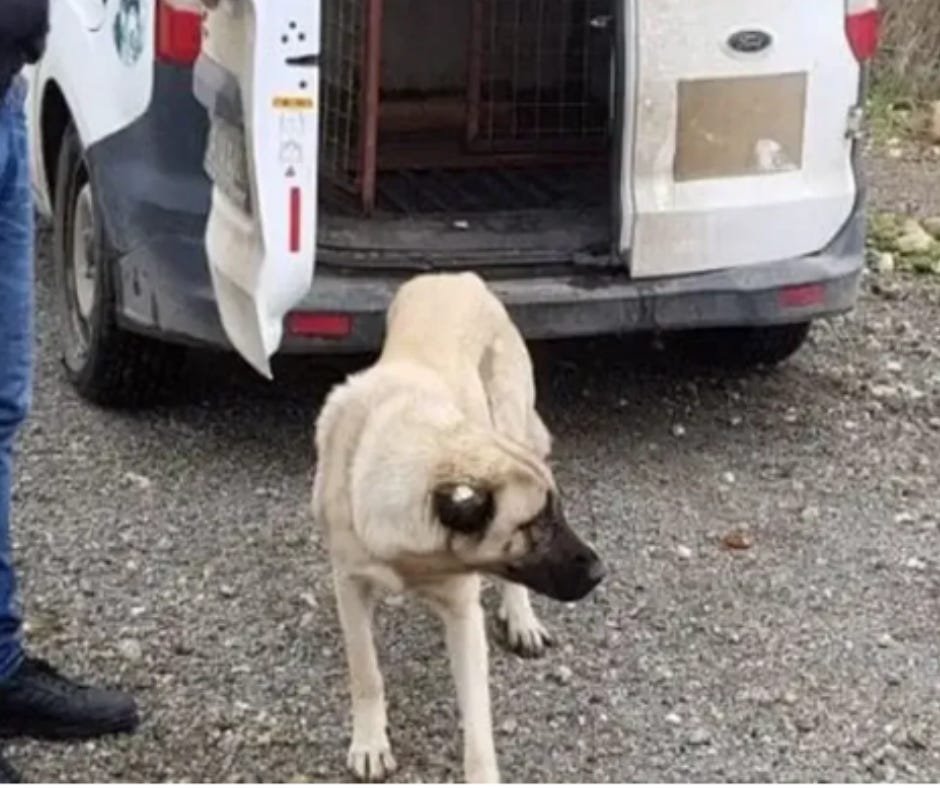
The Dog at the Centre
This is the reality often missing from headlines. The dog at the centre of this case is:
Known to the local community
Regularly fed and cared for
Described by residents as calm and non-aggressive
There is no verified evidence, at this stage, that the dog displayed aggression.
The Reported Incident
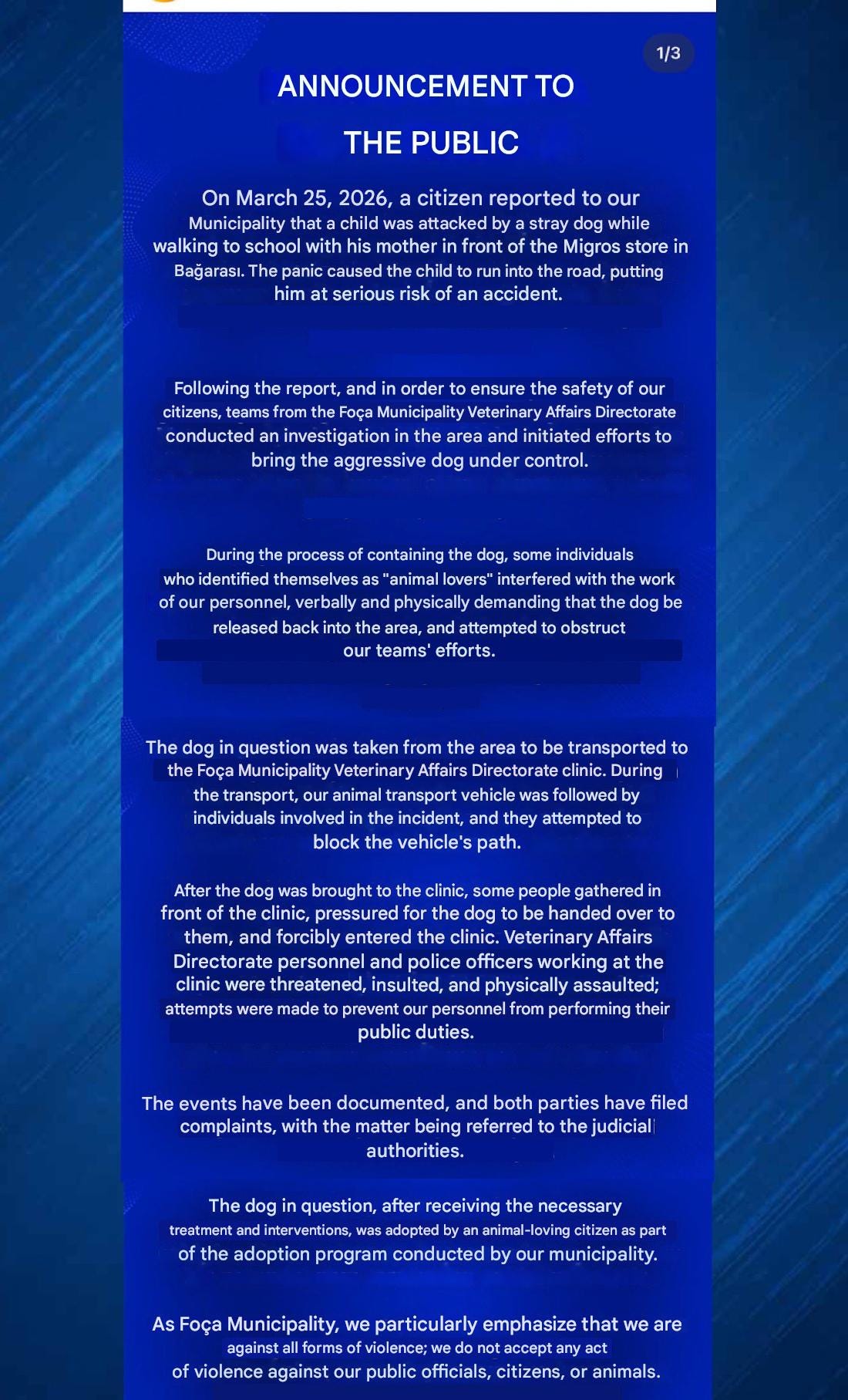
Authorities were called after a child was reportedly approached by the dog while walking to school. The child became frightened and ran into the road.
That is the incident.
No bite. No injury.
But it was enough to trigger intervention.
What Happened Next
Municipal teams attended to remove the dog. Local residents intervened. What followed was not cooperation, but conflict:
The removal was challenged
Tensions escalated
Both sides have now filed complaints
The situation has moved into the legal system.
How the Story Is Being Shaped
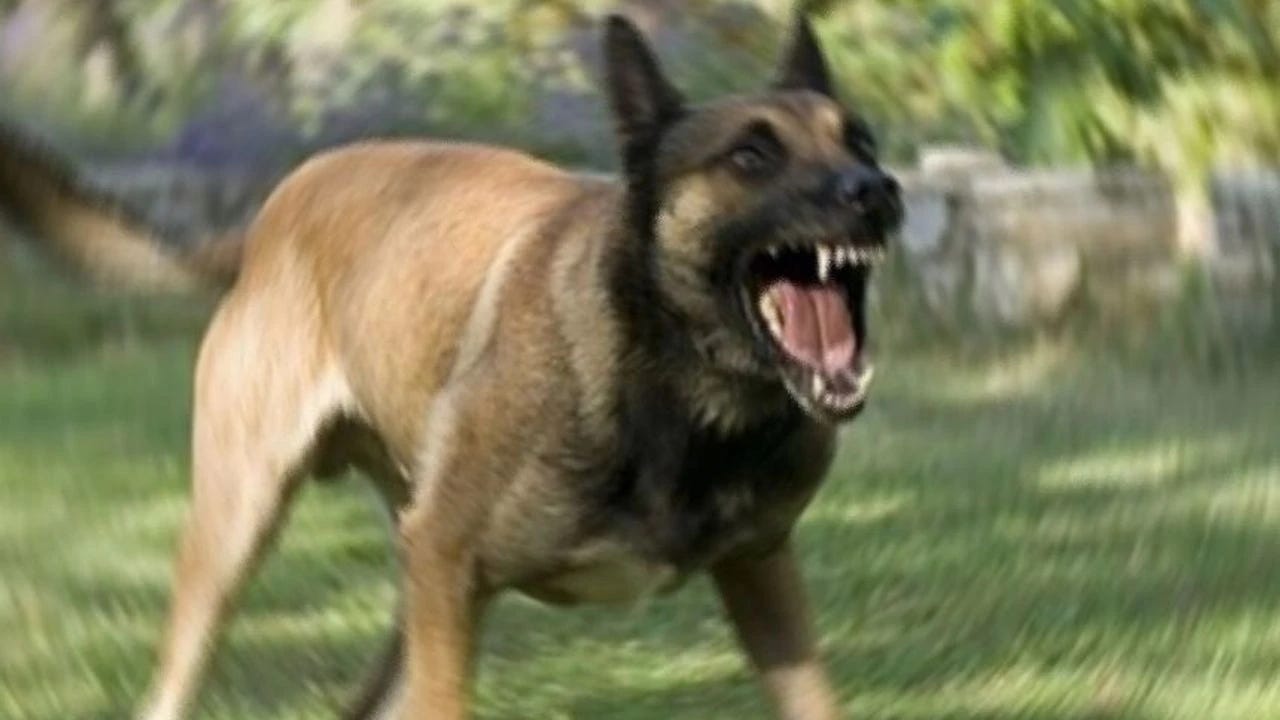
Some reporting has been accompanied by images of aggressive, snarling dogs. Those images are not this dog.
They:
Imply violence where none has been confirmed
Shape perception before facts are understood
Turn a disputed incident into a presumed threat
This matters. Because once a narrative is set, it is rarely questioned.
What Is Actually in Dispute
This is not a confirmed case of an aggressive dog. It is a disagreement:
Authorities acted on a report and perceived risk
Locals insist the dog is known, stable, and not dangerous
The absence of injury is central. So is the dog’s established behaviour within the community.
The Bigger Issue
This is what happens when trust breaks down:
Interventions are no longer accepted
Communities step in
Every situation escalates
Not because people want conflict but because they do not trust the outcome.
When Images Replace Evidence
The dog being shown to the public is not the dog residents describe, and not the dog captured in real footage.
Instead, it is being replaced by images of bared teeth and aggression, visual shorthand that implies danger before any evidence has established it. This matters, because once a dog is framed this way, the space for nuance disappears.
A known, stable street dog becomes a perceived threat. A disputed incident becomes a justification. And public opinion begins to settle not on what is known, but on what has been presented.
The question now is not simply what happened in Foça, but whether the outcome will be shaped by verifiable facts, or by a version of the story that was constructed before those facts were ever examined.
Editors Note
The dog called Migros has since been taken into care, is reported to be well, and is now being adopted into a private home.