



In a rare and striking intervention in the House of Lords, Green Party peer Natalie Bennett has moved to block a government plan aimed at tightening restrictions on protests, a move that has drawn in fellow Green peer Baroness Jenny Jones and a growing coalition of civil liberties advocates.
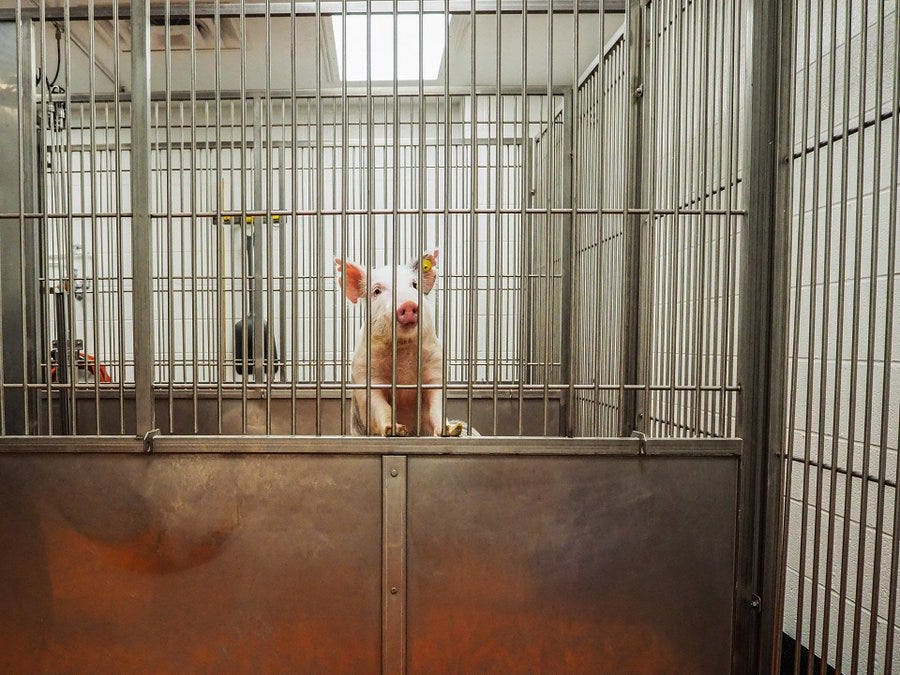
The government’s controversial proposal would amend the Public Order Act 2023 to expand the category of key national infrastructure to include certain life sciences facilities such as animal testing labs. This would give police broader powers to restrict peaceful demonstrations near these sites including the possibility of criminal penalties for protestors, even when their actions are lawful and non-violent.

A Rare Parliamentary Tool: Bennett’s Fatal Motion
In response, Bennett has tabled a fatal motion in the House of Lords a parliamentary mechanism that can stop a piece of secondary legislation from becoming law. Such motions are unusual and signal deep concern about the substance and implications of the government’s measures. Bennett argues that the scope of the amendment represents legislative overreach and threatens the fundamental right to protest without sufficient justification or evidence.
Social commentary and online reports from campaign groups note that Bennett’s effort has been publicly backed by Baroness Jenny Jones, the other Green peer in the Lords. While mainstream outlets have yet to quote Jones directly on this particular statutory instrument, activists and online supporters describe both Bennett and Jones as deeply concerned about the rights implications of the protest crackdown.

Jenny Jones and Civil Liberties
Baroness Jenny Jones has a long record of activism in defence of protest rights. In previous debates on protest-related legislation such as during the roll-out of earlier Public Order and policing bills Jenny Jones has warned that expansive state powers risk undermining democratic freedoms. In one earlier media appearance she stressed that “protest is a fundamental right in a democracy” and cautioned against authoritarian-leaning legislation.
While not always mentioned by name in coverage of the current dispute, her history and alignment with civil liberties campaigning help explain why she joins Natalie Bennett in opposing the government’s broad approach to protest restrictions.

Wider Opposition and Civil Society Mobilisation
Beyond these two peers, dozens of civil society organisations have united to oppose the crackdown including groups linked to human rights, free speech, and protest rights advocacy. Online postings from protest networks emphasise that more than 40 organisations have signed onto joint efforts to fight what they describe as an authoritarian drift in UK protest law.
International human rights organisations also raised alarms, releasing a report highlighting how recent legislative measures and enhanced police powers risk undermining the right to peaceful protest and assembly. That analysis points to older legal frameworks such as the Police, Crime, Sentencing and Courts Act and Public Order Act as already granting broad discretion to police, and warns new restrictions could further chill civic participation
Why This Matters
Critics say criminalising even peaceful protest near life sciences and other reclassified sites will have a chilling effect on democratic engagement, deterring legitimate dissent and debate on contentious issues such as animal testing which already polarises public opinion. Supporters of the government say the measure is necessary to prevent disruption to vital scientific and medical operations, even as opponents question whether the threat is proportionate or real.
The debate now moves to a scheduled Lords discussion on Bennett’s fatal motion. If passed an uncommon outcome for such motions it could stop the government’s statutory instrument in its tracks. Whether that happens remains uncertain, but the very fact that peers like Natalie Bennett and Jenny Jones are using rare parliamentary tools signals widespread unease with the direction of UK protest law.