

Grief and Loss - Saying Goodbye to Harry

Harry was never promised an easy life.
From the time he was a puppy, his body carried the evidence of battles no dog should have to fight so young. Multiple illnesses left their marks, invisible scars that told the story of survival, resilience, and quiet strength. Every milestone mattered more because it was never guaranteed.
And yet, Harry lived.
He made it past his first birthday. He grew stronger. He looked well. To the outside world, he appeared fit, happy, and finally free from the fragility that had once defined him. There was hope, real, solid hope that the worst was behind him.
That is why his death came as such a devastating shock.
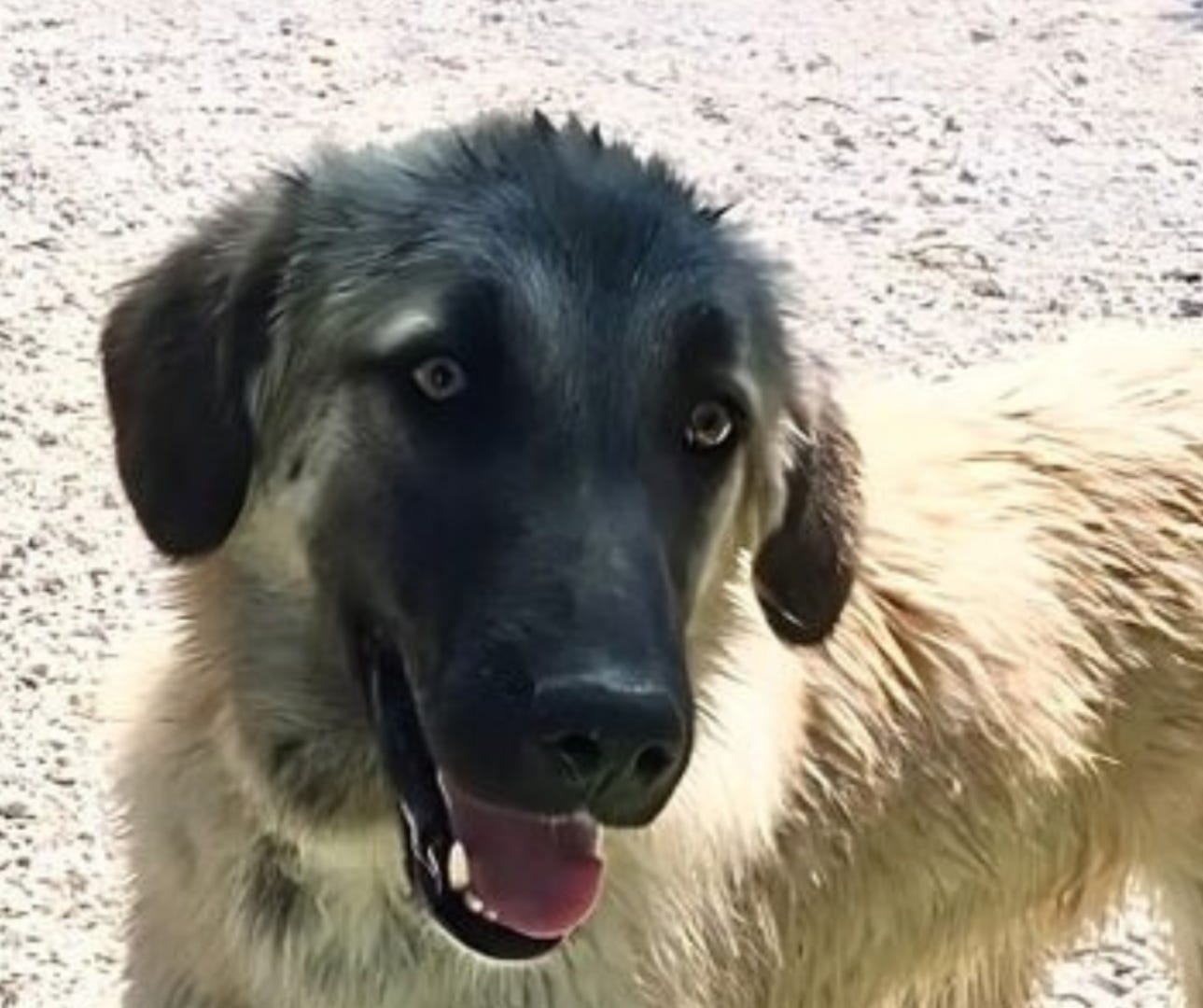
When Loss Comes Without Warning
Harry did not fade slowly. There was no long goodbye, no gradual preparation for the end. He died suddenly, taken by complications no one saw coming. One moment, he was here, alive, present, part of the everyday rhythm of life. The next, he was gone.
Sudden loss leaves grief raw and disorienting. There is no time to adjust, no chance to make peace with what is happening. The mind struggles to catch up with reality, replaying ordinary moments and asking impossible questions:
How can he be gone when he seemed fine?
How did everything change so fast?
How do you grieve someone who was supposed to be safe now?
The shock itself becomes part of the grief.
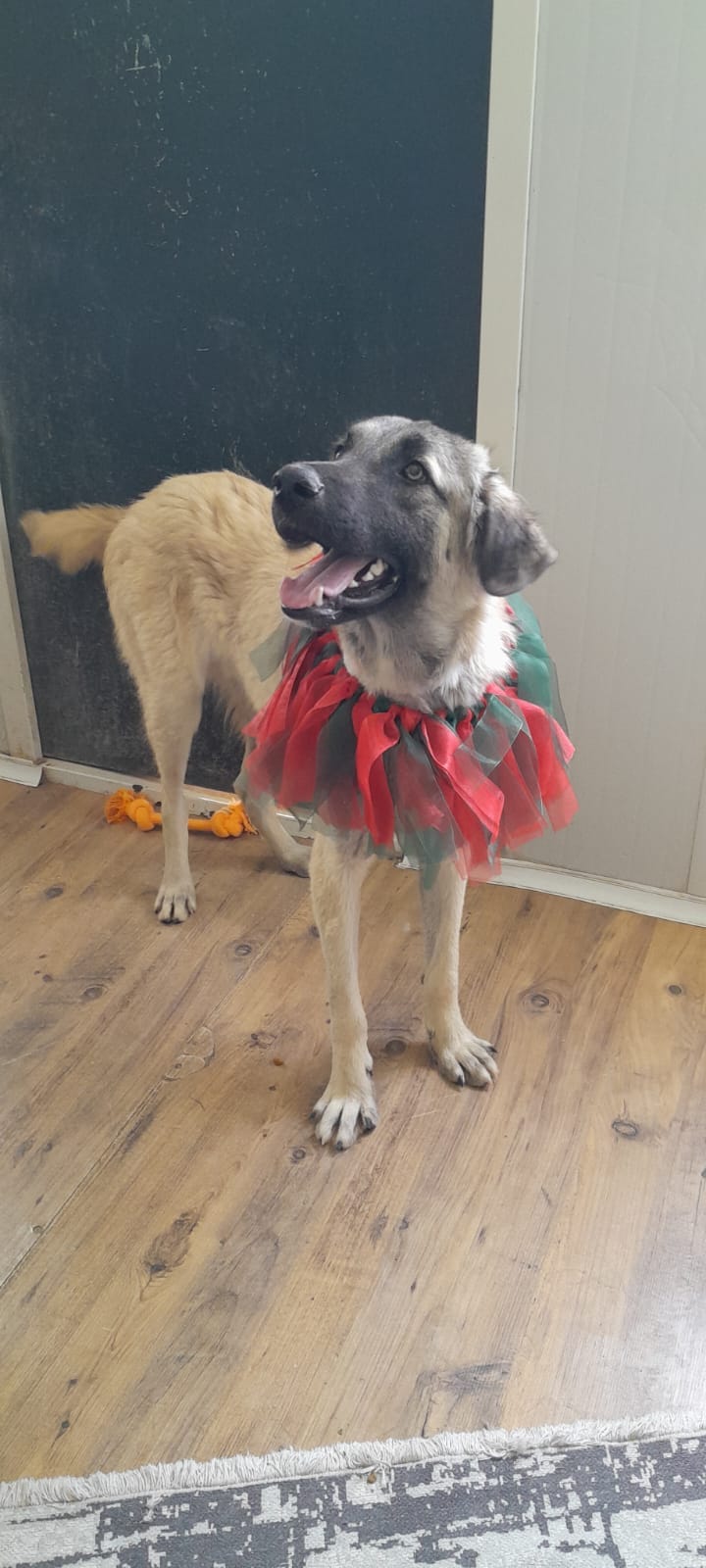
Loving a Dog Who Beat the Odds
Loving Harry meant loving him with awareness, knowing his past, understanding his vulnerabilities, celebrating every extra day he was given. His life was not defined by illness, but shaped by survival. Each wag of his tail, each calm moment, carried more meaning because of what he had already overcome.
That is why the pain cuts so deeply. He wasn’t just a dog who died, he was a dog who fought, who endured, who made it further than anyone dared to hope.
His survival was never luck. It was courage, care, and love.
The Cruelty of “But He Was Fine”
One of the hardest parts of losing Harry is the contradiction: how can someone who looked so well be gone so suddenly?
Grief after sudden loss often comes with disbelief. The body reacts as if reality itself is wrong. You may expect to hear his pawsteps, reach automatically for his bowl, or pause, waiting for him to appear. Your heart knows he is gone, but your instincts haven’t caught up yet.
This doesn’t mean you are in denial. It means the loss was too abrupt for the mind to process all at once.
Grief Without Preparation
There was no chance to brace for this. No gradual acceptance. No final chapter slowly closing.
Instead, grief arrived all at once, heavy, sharp, and overwhelming.
You grieve not only Harry’s death, but the future you believed he had finally earned. The ordinary days you expected. The relief of thinking we made it. The belief that his hardest years were behind him.
That hope mattered. Losing it hurts.
Harry’s Life Still Counts
Harry’s life was not measured by its length, but by its meaning.
He knew care. He knew safety. He knew love beyond illness and pain. He experienced a world where he was more than his scars, where he was seen, protected, and cherished.
Grief exists because that life mattered. Because Harry mattered.
Sudden loss leaves questions without answers, but it does not erase what was real: a dog who survived against the odds, and a bond that does not end because his life did.
Love does not disappear with death. It simply changes shape, carried forward, quietly and forever.
Thank you for this