

Helping Animals Means Focusing on Solutions, Not Religion


When discussing animal welfare in Muslim-majority countries, people sometimes suggest that Islam itself is to blame. One commonly cited example is the belief, held in some communities, that dogs are “unclean” or “dirty.” While it’s true that this perception can influence how dogs are treated, it is only one part of a much bigger picture. Focusing on religion alone risks oversimplifying complex issues and can even make solutions harder to achieve.

Beliefs and Cultural Influences
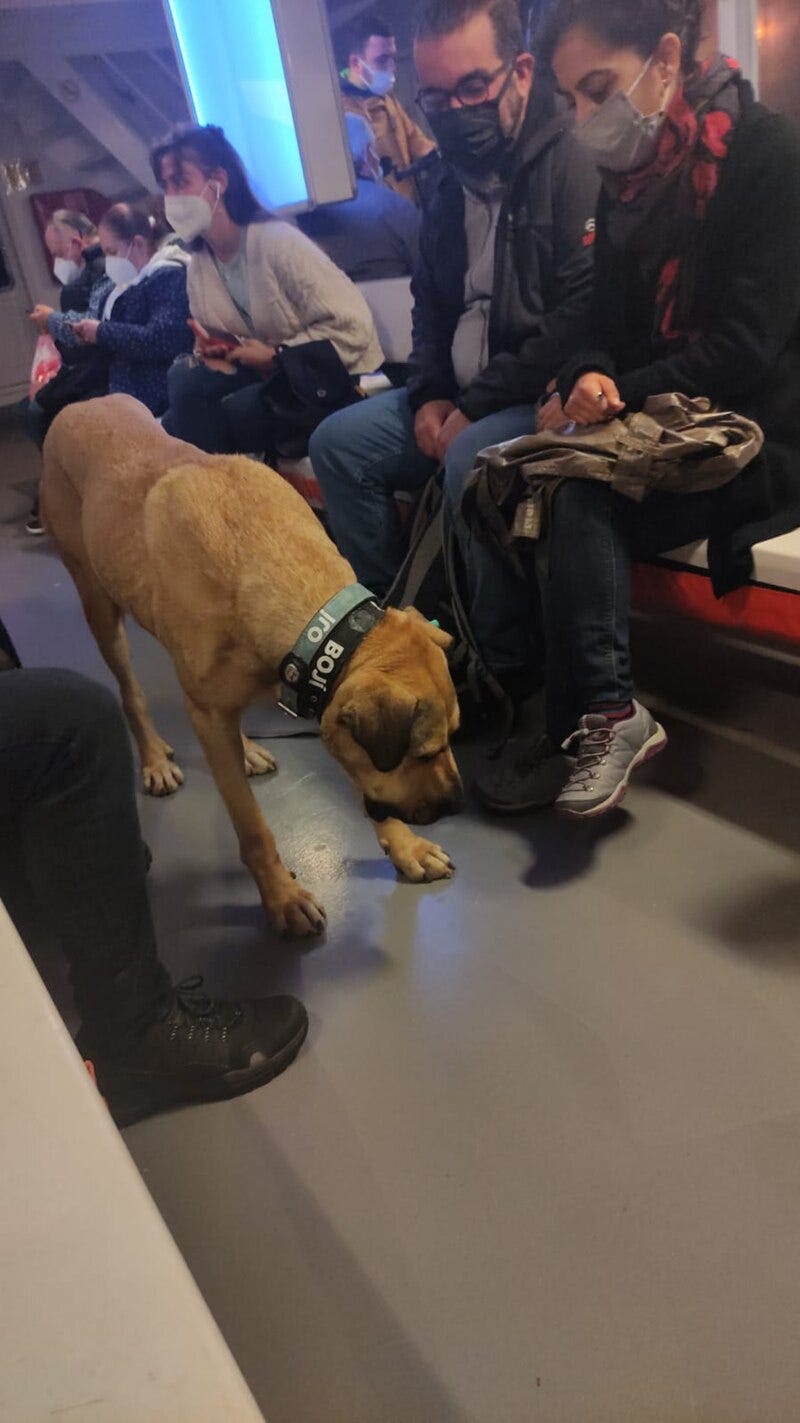
The idea that dogs are impure has roots in certain religious and cultural interpretations. This can contribute to negative attitudes—such as reluctance to keep dogs in homes or limited compassion toward strays. However, these views are not universal. Many Muslims keep, care for, and love dogs, and there are wide variations in practice from one community to another. Reducing the issue solely to religion erases this diversity and unfairly blames faith rather than addressing practical realities.

The Real Barriers to Animal Welfare
The most significant challenges to animal welfare are practical and systemic:
Poverty: Families struggling to meet their own needs may not have the resources to provide proper care for animals.
Infrastructure: A shortage of affordable veterinary services makes it difficult to control populations humanely or to treat illness and injury.
Education: Without accessible education on animal care and welfare, harmful practices can persist regardless of culture or religion.
These barriers—not religion—are the most decisive factors shaping outcomes for animals.
Why Moving the Narrative Away from Religion Matters
Progress for animals depends on building trust, collaboration, and practical solutions. When discussions focus too heavily on Islam, three problems arise:
Division instead of unity – Framing religion as “the problem” risks alienating communities, making cooperation harder.
Distraction from real solutions – Debates about belief overshadow the urgent need for investment in veterinary care, education, and poverty alleviation.
Reinforcing stereotypes – Linking animal welfare problems to Islam can fuel prejudice and misunderstanding, creating more barriers instead of breaking them down.
By moving the narrative away from religion, advocates can keep the focus where it belongs: on practical changes that improve animal lives.

A Constructive Way Forward
Acknowledging that certain beliefs about dogs can shape attitudes is important—but it should not dominate the conversation. To make real progress, the focus must be on strengthening infrastructure, improving education, and addressing the socioeconomic conditions that directly affect animal welfare. These are changes that communities of all backgrounds can support, and they are the areas where advocates can have the greatest impact.
Conclusion: How You Can Help
Beliefs about dogs being “unclean” may play a role in shaping perceptions, but they are only one piece of a complex puzzle. The real obstacles to better animal welfare are poverty, limited veterinary care, and lack of education. By shifting the conversation away from religion and toward practical solutions, we create space for cooperation, build respect across cultural differences, and give animals the best chance at a better life.
If you care about animals, the most powerful way to help is to support initiatives that:
Fund veterinary care and spay/neuter programmes.
Provide education on humane animal treatment.
Address poverty and infrastructure gaps that harm both people and animals.
Progress begins when we unite around solutions—not divisions. Together, we can build a future where animals are treated with the care and dignity they deserve.