
"I Cannot Commit That Sin" Bornova Mayor Speaks Out As Türkiye's Street Dog Crisis Deepens
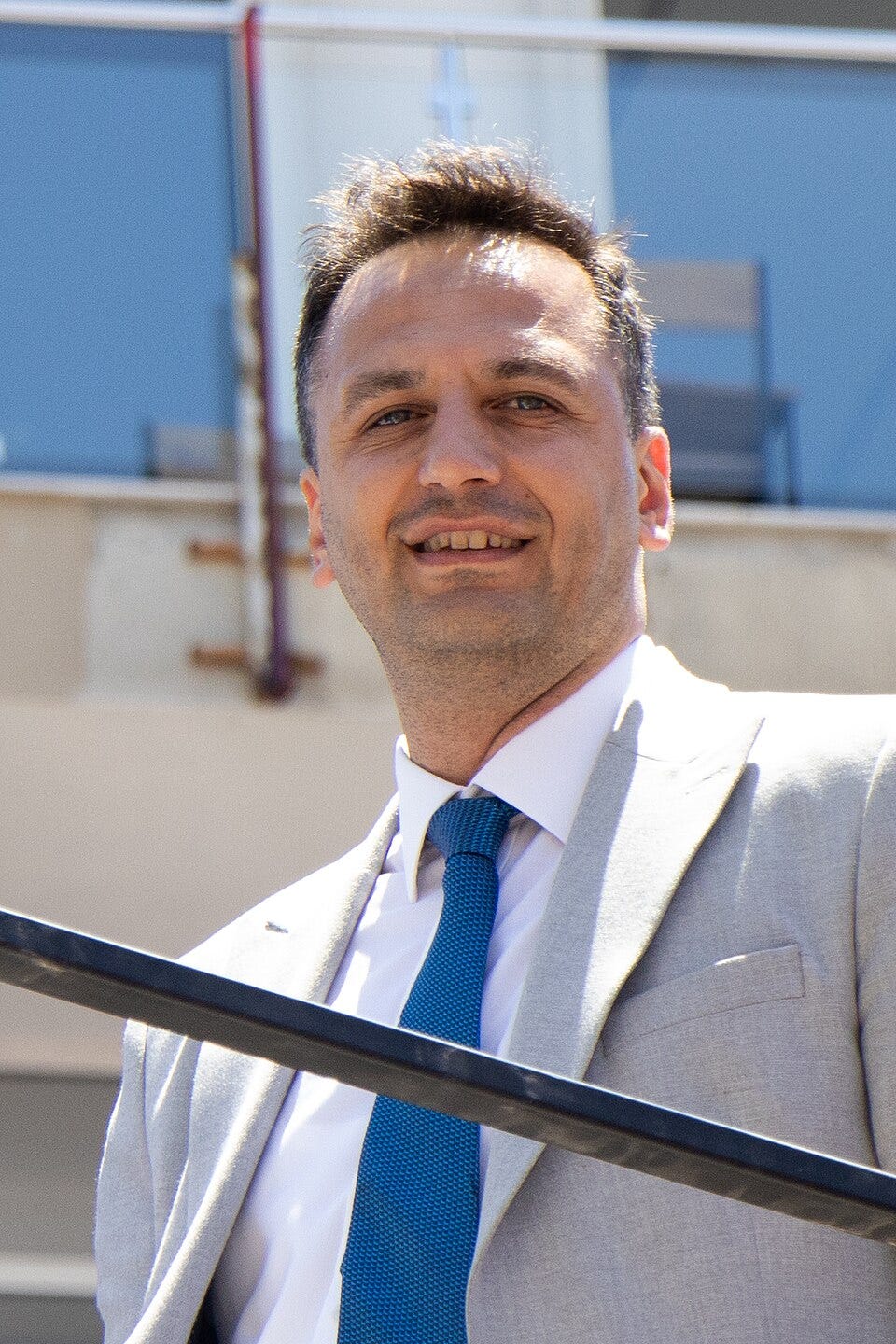
One of the clearest public expressions of moral opposition to euthanasia by a serving Turkish mayor has emerged during a meeting of Bornova Municipal Council, where Mayor Ömer Eşki said he could not authorise the killing of free roaming dogs, telling councillors: “Uyutma yapamam. O günaha giremem.” “I cannot carry out euthanasia. I cannot commit that sin.”
The comments were made during a debate on Bornova Municipality’s implementation of Türkiye’s revised street dog law, which has fundamentally changed the country’s approach to free roaming dogs and placed municipalities under increasing pressure to remove dogs from the streets while expanding shelter capacity.
Speaking during the council meeting, Eşki outlined the scale of the challenge facing Bornova. He said the district is home to an estimated 2,300 free roaming animals, while the municipality’s existing shelter, built for around 200 dogs, is currently caring for approximately 290. Plans to expand the facility to accommodate more than 1,000 animals have been delayed after the municipality encountered difficulties relating to access across neighbouring military land, forcing officials to explore alternative options.
The mayor also argued that the issue cannot be solved by one municipality acting in isolation. As he described the practical realities of implementing the legislation, he turned to what he believed was the direction in which the process ultimately leads.
“Bunun nihayetinde... götürülmek istendiği yer uyutma. Onu da ben yapamam. O günaha giremem.”
Translated into English, he said:
“Ultimately, where this is being taken is euthanasia. I cannot do that. I cannot commit that sin.”
The statement is significant not simply because of the language used, but because it comes from a serving mayor responsible for implementing one of the most controversial pieces of animal welfare legislation in modern Türkiye. Rather than presenting euthanasia as an administrative tool or a practical necessity, Eşki framed it as a moral boundary he was unwilling to cross.
His comments also highlight the differing approaches emerging across the country as municipalities attempt to comply with the amended law. While large scale collection operations have accelerated in many provinces, implementation has not been uniform. Local authorities continue to face very different realities in terms of shelter capacity, available land, funding and operational capability, while elected officials have expressed contrasting views on how the legislation should be implemented.
For Dog Desk Animal Action, the significance of the Bornova debate extends well beyond a single municipality.
Over recent months we have documented large scale collection operations, growing concerns over shelter capacity, official implementation deadlines, administrative investigations following dog attacks and continuing questions surrounding the fate of thousands of collected dogs. Against that backdrop, a serving mayor publicly stating that he cannot authorise euthanasia because he considers it a sin provides a rare insight into the ethical tensions now being expressed within municipal government itself.
Whether Bornova ultimately succeeds in expanding its shelter capacity remains to be seen. What is already clear, however, is that the debate surrounding Türkiye’s street dog law has moved beyond campaigners and animal welfare organisations. It is now unfolding inside council chambers across the country, where the officials responsible for implementing the legislation are themselves grappling with its consequences.


