



In a surprising and controversial legal outcome in Turkey, a woman known locally as Mardinli Marilyn Monroe has been sentenced to prison not for harming an animal, but for sharing a video of a taxi driver running over a stray dog.
The Incident That Sparked Outrage
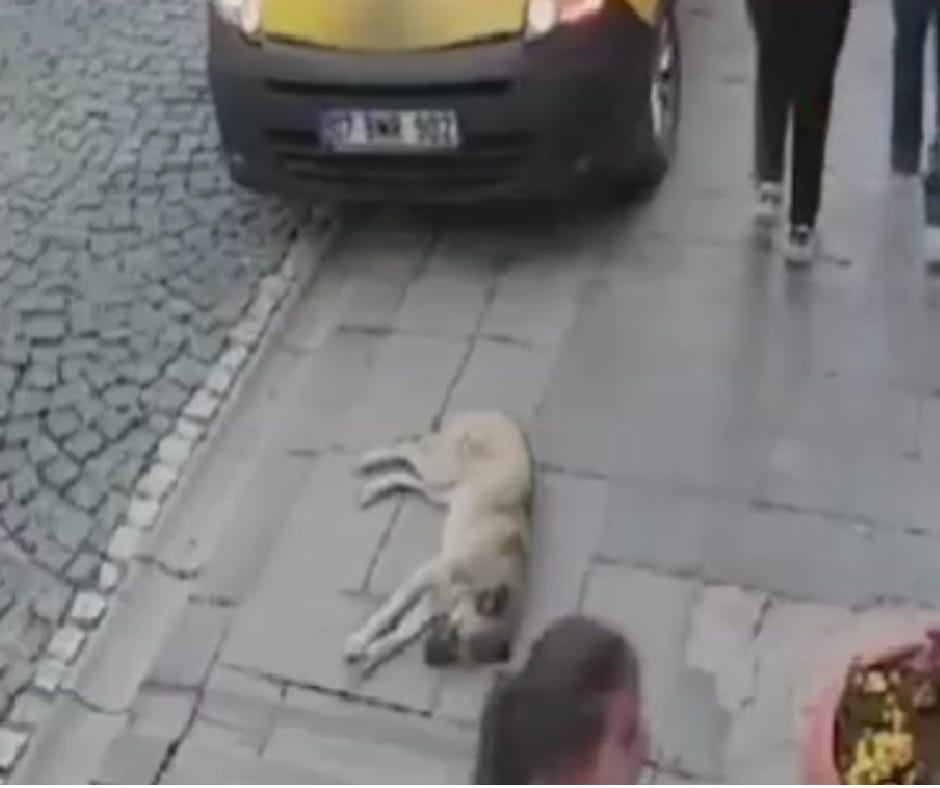
The story began on May 26, 2024, in the Artuklu district of Mardin Turkey. A taxi driver stopped on a pavement to pick up a passenger. When he drove off, the front wheels of the taxi passed over a stray dog that had been sleeping on the pavement. The dog managed to flee, and passers-by reacted angrily.
Security camera footage captured the moment a clip that would soon spread widely online.
While police later investigated and fined the taxi driver under Turkey’s animal protection laws for hitting an animal and failing to help it, the driver claimed he hadn’t seen the dog.
Sharing the Video And Facing Legal Consequences
Melek Akarmut (50) shared the security footage of the incident on social media to highlight the plight of the stray dog.
However, the taxi driver filed a complaint, arguing that Akarmut had violated his privacy by sharing the video online. This led to a criminal case against her.
Earlier this year, a Turkish court convicted Akarmut of violating personal privacy and sentenced her to two years in prison.
Credit Dark web haber
“I’m Going to Prison for Protecting Animals”
In a video posted from outside the prison where she surrendered herself, Akarmut explained her side of the story and made a powerful appeal:
“I’m not the one who hurt the dog. I’m the one going to prison. My crime was protecting animals.”
She described how she had gone to the Elazığ Women’s Open Prison to turn herself in and urged her supporters not to forget her. The emotional video included her saying that this sentence did not just affect her, but her family, her businesses, and the many animals she cares for
Public Reaction and Broader Questions
The news of her imprisonment has stirred debate in Turkey and beyond:
Animal lovers and advocates see her sentence as deeply unfair and a sign that efforts to protect animals can come at a personal cost.
Legal experts and free-speech advocates have pointed out that privacy laws are being used in ways that may discourage whistleblowing or public accountability.
Others argue for a clearer balance between protecting individual privacy and exposing mistreatment of animals or other vulnerable beings.
Regardless of where one stands, her case raises important questions about the intersection of public interest, social media, and the law.