



The Cats of Eyüpsultan
For generations, the historic streets around Eyüp Sultan Mosque and the Pierre Loti cemetery in Istanbul have been home to beloved street cats. Locals fed them, children played with them, and visitors often stopped to admire their quiet grace. These cats were not just strays—they were part of the fabric of the community.
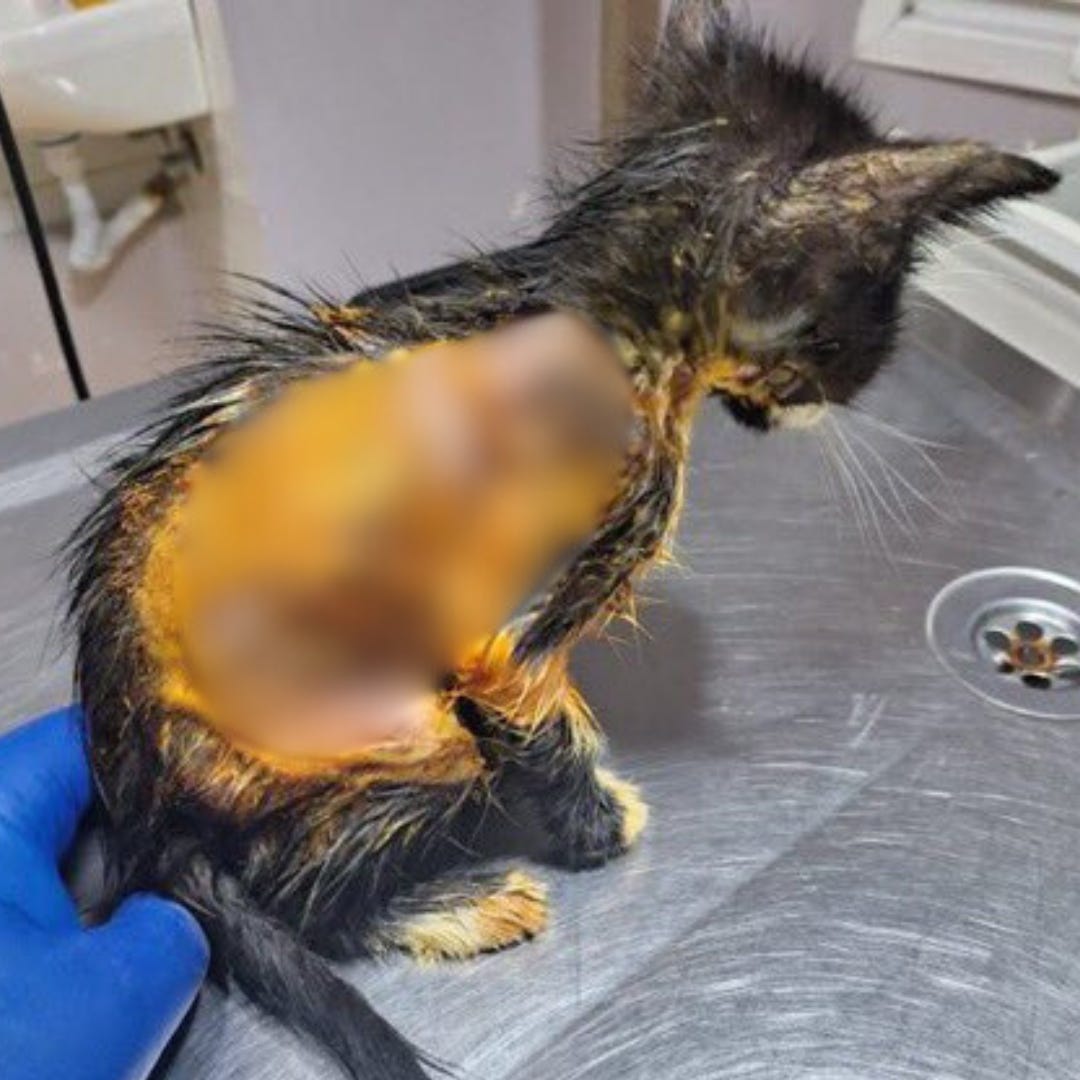
But in July 2023, that peace was shattered. More than 50 cats were found dead or horribly injured, their small bodies burned by acid and kezzap. It was a scene of unimaginable cruelty. The very animals that brought warmth and life to the neighbourhood had become the targets of a calculated campaign of violence.
The Community’s Outcry
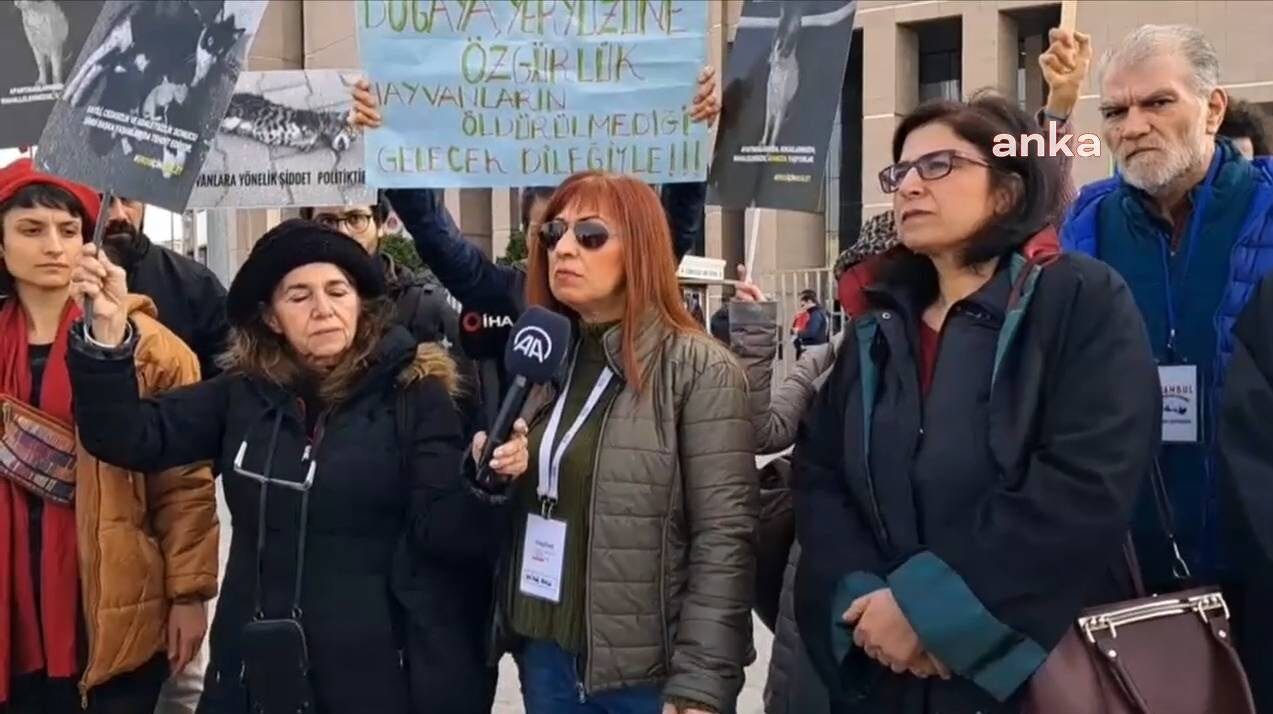
Residents and animal lovers rushed to speak for the cats who no longer could. They gathered in front of the Eyüpsultan Kaymakamlığı, demanding justice. People who had once left bowls of food and water for these cats now carried banners and their grief. They were united by one conviction: that these cats mattered, and their suffering must not be ignored.
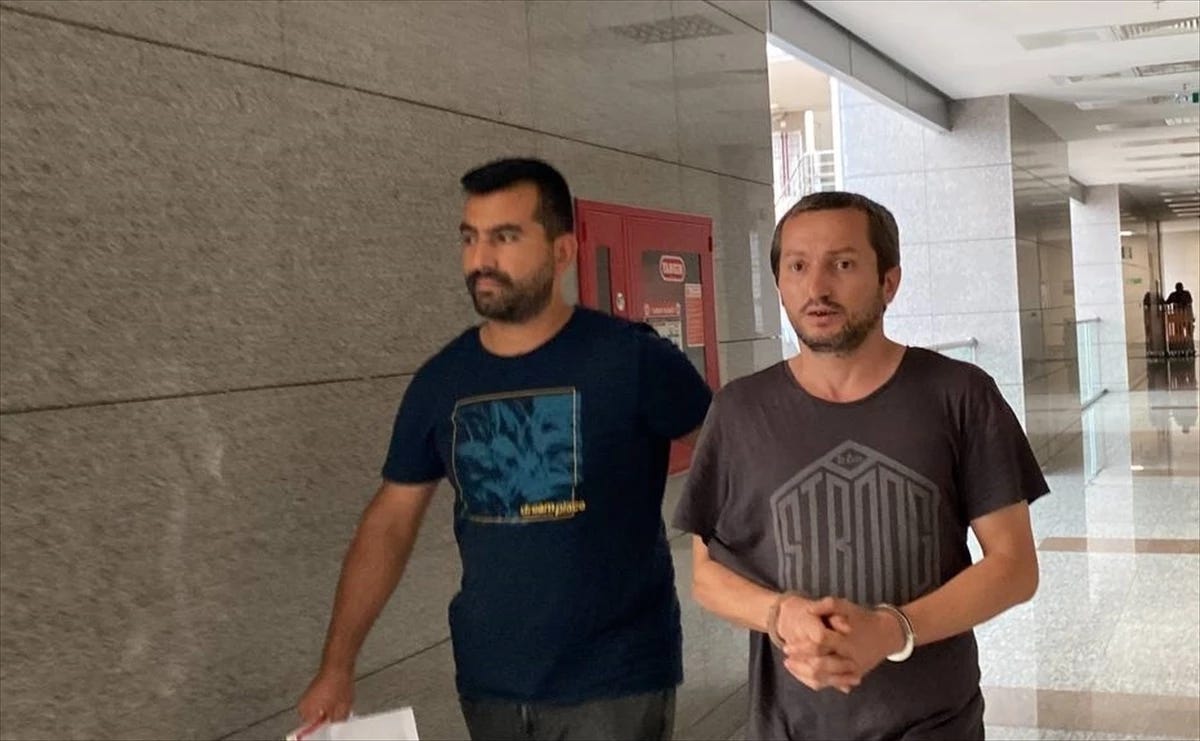
Their voices ensured that the authorities acted. Though local surveillance cameras had been out of order, tips from the community led police to arrest a suspect—Murat Özdemir.
The Courtroom Battle
As the case unfolded, the memory of the cats loomed large. Each cat that had died in pain, each life cut short, became part of the prosecution’s case.
In February 2024, a prosecutor requested a prison term of 10½ months to 7 years for Özdemir. This was already notable: for too long, crimes against animals in Turkey had gone underpunished.
Then, in October 2024, a court went further. Özdemir was sentenced to 8 years and 3 months in prison—a punishment close to the maximum allowed under Turkish law for animal cruelty. Animal welfare advocates hailed the decision as a landmark, one that recognized the gravity of what had been done to the cats of Eyüpsultan.
Why This Case Matters for Cats Everywhere
A Voice for the Voiceless
These cats had no one but the community to defend them. This case showed that their lives have value, and that society will not turn away from their suffering.A Legal Turning Point
For decades, the killing of cats and dogs was treated as a minor offense. This sentence represents a shift: cruelty against animals is now seen as a serious crime, with real consequences.Community Power
Without the outcry of local residents and animal rights advocates, justice might never have been served. It was the people’s love for their neighbourhood cats that pushed the case forward.

Remembering the Cats
The cats of Eyüpsultan should not be remembered for the way they died, but for the lives they lived. They were guardians of courtyards, companions to shopkeepers, and gentle reminders of Istanbul’s unique bond with street animals.
Their suffering sparked outrage, their deaths brought about justice, and their memory now stands as a testament to why animal lives must be protected by law.
The acid attacks on Eyüpsultan’s cats were an act of unspeakable cruelty. But the community’s determination—and the court’s ruling—ensured that the cats’ lives were not lost in silence. They changed the law’s course. They left a legacy of justice.
People’s love of cats — and especially their kind-hearted efforts to feed, nurse and shelter feral/stray felines in great need — is beautiful. Sadly, however, there’s still too much anti-cat complacency and contempt out there; it's even felt — and, far worse, publicly expressed — by some potentially influential news-media professionals.
For example, some years ago I came across a newspaper editor's column about courthouse protesters in Sarnia, Ontario, demanding justice in 2014 for a cat that had been cruelly shot in the head 17 times with a pellet gun, destroying an eye. Within her piece, the editor rather recklessly declared: “Hey crazy people, it’s [just] a cat.” ... The court judge might've also perceived it so, as the charges against the two adult-male perpetrators were dropped.
In a follow-up column, the editor expressed surprise at having then received some very angry responses, including a few implied threats, from cat lovers and animal rights activists. Apparently, she couldn’t relate to the intensely heartfelt motivation behind the public outrage, regardless of it being directed at such senseless cruelty to an innocent animal; therefore, the demonstrators were somehow misguided.
The court may have also perceived it so, as the charges against the two adult-male perpetrators were dropped.
As it were, the same editor had also written about how disturbed she was by an opinion poll’s results revealing that more than a third of surveyed adults “would, under some circumstances, choose to save the life of their dog over the life of a human being, if they could save only one.”
She was astonished and dismayed by this, regardless of the hypothetical other person being a complete stranger. I, on the other hand, was/am surprised the percentage wasn’t much higher! ... Of course, I wrote to her that, to me at least, it makes perfect sense: Especially with their pets’ non-humanly innocence, how could the owners not put their beloved animal’s life first?
Then there was the otherwise progressive national commentator proclaiming in one of her then-syndicated columns that “I never liked cats”. In another piece, she wrote that politicians should replace their traditional unproductively rude heckling with caterwauling: “My vote is for meowing because I don’t like cats and I’d like to sabotage their brand as much as possible. So if our elected politicians are going to be disrespectful in our House of Commons, they might as well channel the animal that holds us all in contempt.”
I search-engined the internet but found no potential reason(s) behind her publicized anti-feline sentiments. I also futilely asked her via her Facebook page. Still, if her motives were expressed, perhaps she'd simply say, ‘I just don’t like cats’.