
Livestock Guardian Dogs
Some time ago Defra invited stakeholders to participate in a consultation regarding the transit of both commercial and non-commercial pets, including dogs, cats, and ferrets, into England, Scotland, and Wales. This consultation sparked numerous opinions and highlighted the plight of rescue dogs involved in abuse cases where ear cropping had occurred. Many of these dogs, it was noted during discussions, originated from Romania, where sadly, in certain regions, ear cropping persists despite its illegality.
We aim to illuminate why this cruelty endures.
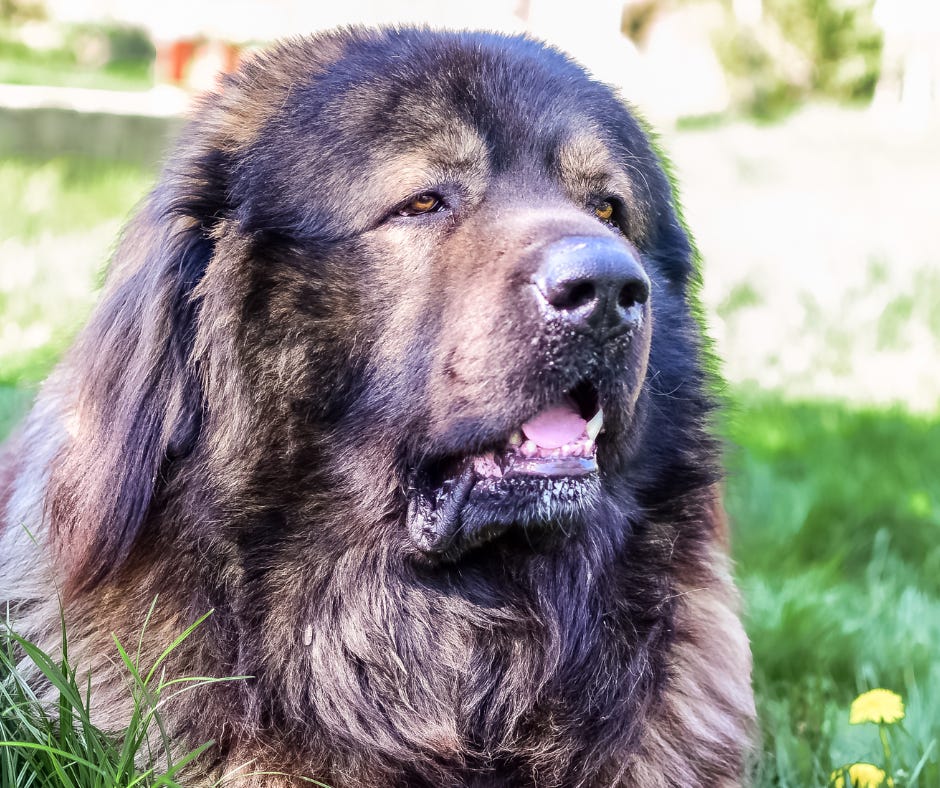
In Romania's rural landscapes, shepherds tend to their flocks on hills and open pastures. These areas are home to wolves, lynxes, and bears, making it seemingly impossible to raise sheep for market without significant losses to predators. For centuries, humans and dogs have shared a unique bond, coexisting on the fringes of the wild. Livestock Guardian Dogs, such as the Raven Shepherd, Mioritic Shepherd, Bucovina, and Carpathian Shepherd, have long worked alongside shepherds to protect their herds.
These breeds are instinctively driven to safeguard their flock, doing so most effectively in groups. A proficient livestock guardian dog typically has minimal human interaction aside from its relationship with the shepherd, considering the sheep it guards as equals or family from a young age. There are even tales of young, motherless pups nursing from sheep among the lambs, though it's hard to say how much of that is fact or folklore.
Those fortunate enough to share their lives with these magnificent dogs understand the challenge in training them. They are fiercely independent and prefer making their own decisions, as they must when working in the field with their pack.
They have to do that to an extent in order to carry out their guardian duties. Wolves are clever animals who work as a pack, we have evidence in Germany of wolves having previously tested & discovered a weakness in an electric fence. Some of the pack will gather & distract the livestock guardian dogs while other pack members attempt to slip through the breach & carry off whatever spoils they can.
So, in situations such as this the dogs really do need to make the right choices.
Without a shepherd, situations such as this are a tough call & as bloodlines have been watered down & breed mixes occurring it has become less likely that the dogs would be able to make the correct choices today.
The dogs first line of defence is raising the alarm. Rallying the pack in to action & the noise created by several large breed guarding dogs is most likely to deter a hungry wolf.
However, there are times this won't work & a livestock guardian dog will come face to face with the predator. A single dog will not be a match for a wolf & certainly not a bear. Attacks are only successful at seeing off a predator when more than one dog is involved.
You may have seen pictures of these guarding breeds wearing spiked collars, similar to the one in the picture above. The shepherd uses this awful contraption not to cause damage to the predator but to protect the dog's throat.
Ear cropping & tail docking are old behaviours carried out by grandparents & great grandparents sometimes instilled in some but thankfully not all modern day shepherds. Ears & tails can be points of control for a predator & lead to easier access to the throat if a spiked collar is not worn.
Ears & tails can also be damaged during these confrontations causing pain, infection & misery for the dog. It's terribly sad. The act of securing the sheep in portable electric fencing combined with the presence of the dogs with ears & tails intact is proven to successfully deter predators.
In Germany when these combined methods are used shepherds lose less than 1% of their sheep.
You may have seen pictures of livestock Guardian Dogs with a strange piece of wood dangling from their collars & wondered why it has been put there. These sticks are called dangle sticks & are used to control the speed of the dog when running.
Livestock Guardian Dogs freely roam & while in my opinion they do not have a high prey drive it is something that exists in all dogs.
Just as human families or communities all have different personalities so do dogs & once in a while one of the dogs may attempt to drive down prey. As the dog chases the prey it's speed increases & with the increase the dangle stick moves & bounces back & forth on the dogs body, eventually causing them discomfort so they slow down & lose the prey or lose interest in the chase & stop.
We are noticing breeding of Livestock Guardian Breeds for sale in the UK.
They do make excellent family members who are docile, loving & loyal. But they do have a very strong guarding instinct which needs to be fully understood by anyone wishing to share their lives with them. If you have experience with breeds such as GSD's & Belgian Shepherds you may have an idea of how to make these dogs happy. But I would urge you as always to research the breed & spend some time with them in a foster situation or similar.


Really interesting and informative thank uou