


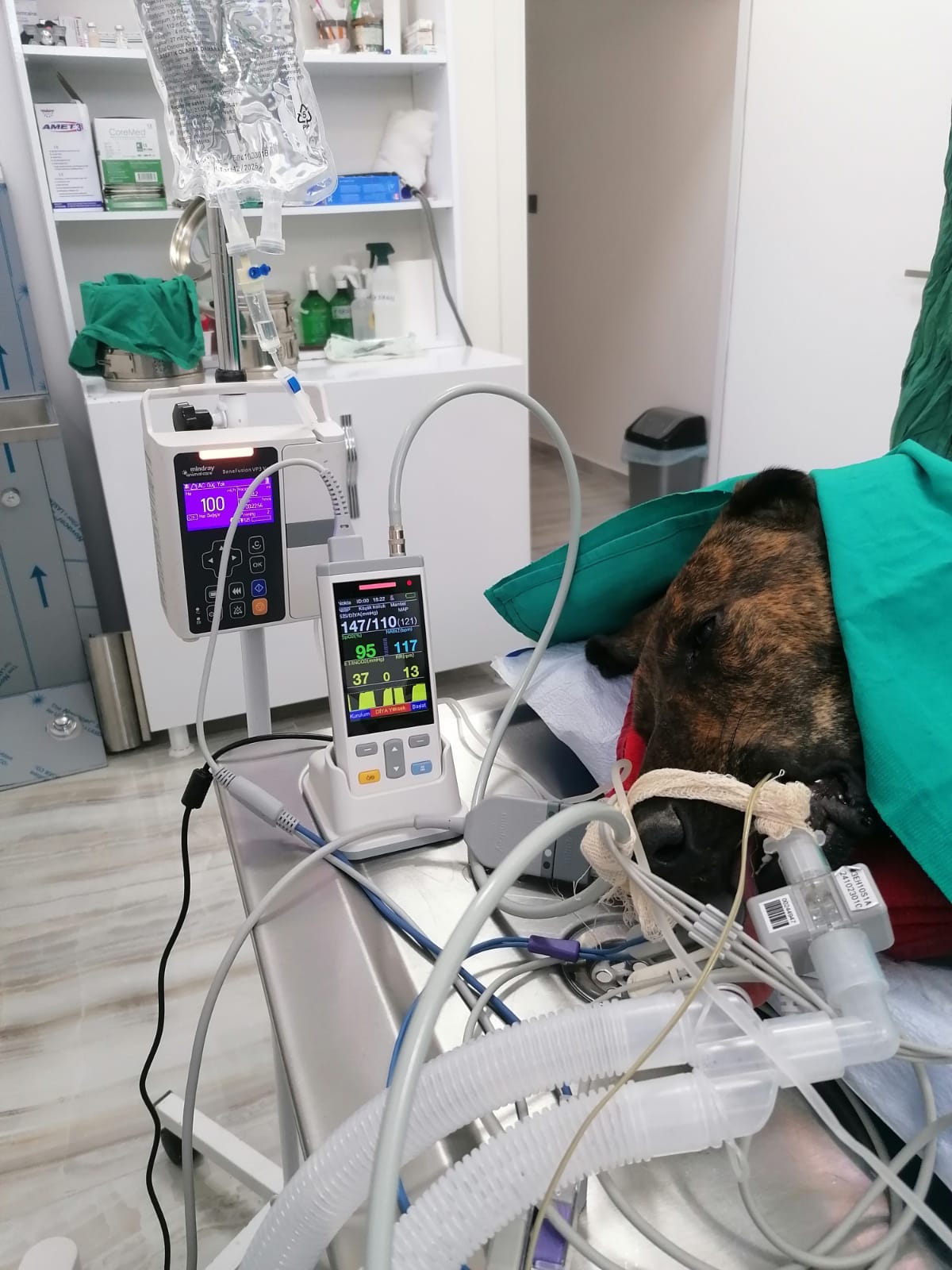
For years, our organisation has stood on the front lines of animal welfare responding when the call comes in, when someone finds a dog struck by a car or collapsed from illness.
We act & we act quickly
Yet today, we find ourselves facing a new and deeply troubling reality:
Under the latest regulatory changes, we can no longer immediately help an injured or sick animal on the streets without securing formal permission first.
This is not only impractical it is dangerous.
When our Best Practice Becomes an Obstacle
For years, whenever we were called to help a street animal, we informed authorities, documented cases, and operated with transparency.
That was best practice.
Now it is becoming mandatory procedure and the consequences are alarming.
Under the new legal and administrative framework, street animals are classified strictly as municipal responsibility. This means:
We must request authorisation before treating a stray animal.
Treatment may need to be carried out only under authorised facilities.
Any intervention outside those boundaries may be challenged or considered non-compliant.
In theory, this sounds organised.
In reality, it means an animal in pain must wait for approval, for transport, for bureaucracy.
And waiting kills.
Delays Cost Lives
Under the new expectations, our first response is no longer treatment.
We must ask for permission to save a life before treatment commences
That is not animal welfare.
That is administrative cruelty.
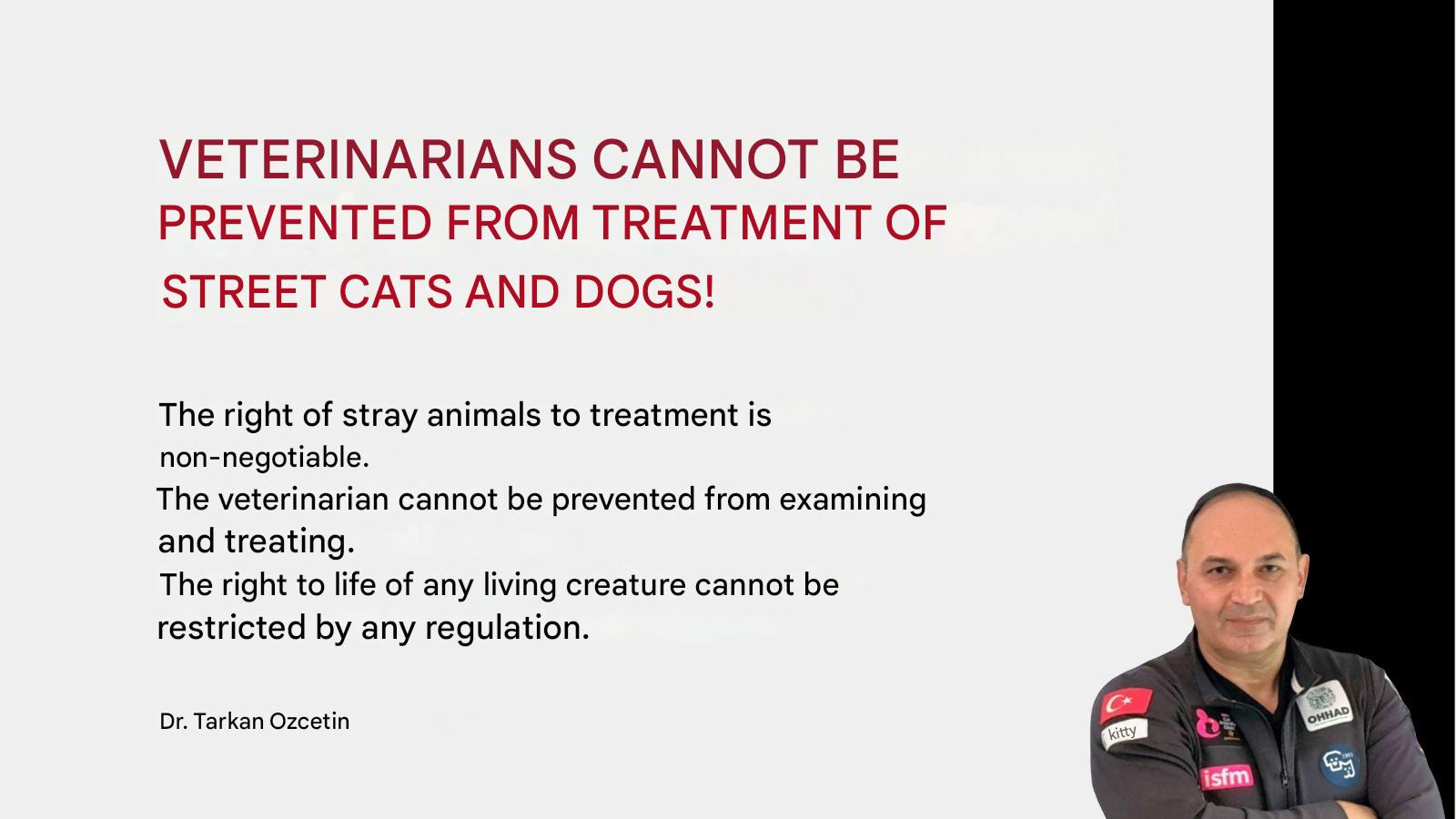
Veterinarians and Rescuers Are Being Forced Into Inaction
Veterinarians who have dedicated their lives to healing are now expected to hesitate, to pause, to consider whether helping a suffering street animal might violate a rule or bypass a procedure.
This contradicts everything the veterinary oath stands for.
It contradicts everything humane societies stand for.
It contradicts the moral responsibility we all share toward the vulnerable beings who live among us.
A Direct Challenge to the Veterinary Oath
Veterinarians enter their profession under a solemn oath:
to prevent suffering, to preserve life, and to intervene without hesitation when an animal is in distress.
This new requirement puts that oath to the test in the cruellest way.
If a gravely injured animal is placed on a veterinary table, what is the veterinarian expected to do?
Watch the animal die in front of them while they seek municipal permission to treat?
The very thought is unconscionable.
Equally intolerable is the idea that a veterinarian could be punished for honouring their oath and providing immediate, lifesaving intervention.
And what of the ordinary citizen who finds an animal in agony?
Are they expected to wait passively for a municipality to respond knowing many shelters do not have a veterinarian on site, and even fewer have veterinary coverage 24 hours a day?
Or that the veterinarian employed by the municipality may well not have the skills needed to treat the animal.
A great many municipal shelters lack even basic equipment.
A system that forces people to choose between compassion and compliance is not a humane system.
The Workforce Reality: Too Few Vets, Too Many Needs
The numbers make the situation even more untenable.
To meet the needs of Türkiye’s street animals under this new, centralised model, at least 10,000 veterinarians would be required across the country.
Municipalities currently employ around 3,000.
Less than one-third of what is needed.
And this gap isn’t just numerical it’s practical.
A significant proportion of municipal veterinarians are trained primarily in large-animal practice “cow vets,” as they are commonly known. Their experience with complex small-animal medicine is often limited to basic procedures such as spay and neuter.
Even those procedures, as field experience has shown again and again, are not always performed safely or successfully.
To place the full burden of emergency care, critical illness intervention, trauma management, diagnostics, and long-term rehabilitation of thousands upon thousands of street animals on this workforce is simply unrealistic.
The system is not built for it.
The staffing is not adequate for it.
The animals will suffer because of it.
We Have Always Cooperated We Must Now Be Allowed to Act
Our organisation has never worked in isolation.
We have always collaborated with officials in the highly professional manner that is expected of us.
But we cannot accept a framework in which the right to treat an animal in pain depends on obtaining permission first. What if we are called to an out of town animal in distress & we do not have a relationship with the mayor of that province?
Suffering is immediate.
Our response must be immediate, too.
If it isn’t an animal will die.
A Call for Reason, Compassion, and Common Sense
We urge policymakers, municipal leaders, and the wider public to recognise the consequences of these new restrictions:
Injured animals will receive delayed treatment.
Veterinary teams will be forced into inaction.
Citizens will feel powerless as animals suffer in front of them.
Preventable deaths will rise.
No society that values compassion can accept this.
Street animals deserve urgent, compassionate care.
Veterinarians deserve the freedom to offer it without fear or hesitation.
And no living creature should ever be left to suffer because a system values procedure over life.
It is time to restore common sense, humanity, and the simple right to help those who cannot help themselves.