
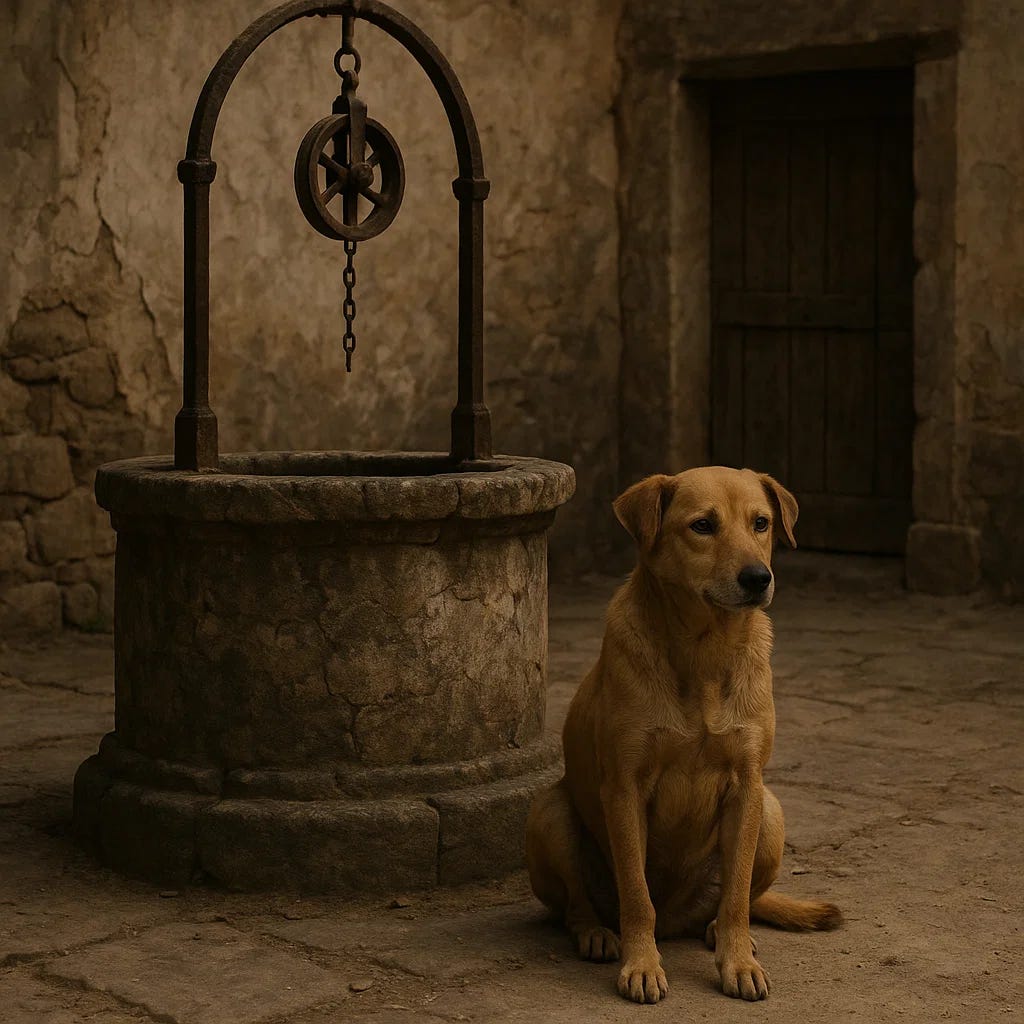
Old Wives’ Tales and Dogs in Turkey
Every culture has its old wives’ tales, warnings, stories, and myths passed from one generation to the next. While often harmless, these tales can shape attitudes for centuries. In Turkey, dogs feature heavily in folklore and superstition, and sadly, many of these beliefs cast them in a negative light.
Today, Turkey’s millions of street dogs still live under the shadow of these stories. Understanding them is vital if we are to challenge prejudice and replace fear with compassion.
The Howling Omen
One of the most widespread Turkish superstitions is that a dog howling at night foretells death. If the howl coincides with the call to prayer (ezan), the omen is believed to be especially dire. Some families even perform small rituals such as turning slippers backwards to ward off the supposed misfortune.
In reality, dogs howl for many reasons: to communicate with one another, to respond to sounds in the environment, or simply because they are lonely. But folklore has long interpreted this natural behaviour as a sinister sign.
Barking, Bad Luck, and Broken Friendships
It is also said that hearing a dog bark without cause brings bad luck, while a dog barking at its owner may indicate betrayal or conflict ahead. Another common belief is that if a dog walks between two friends, it will sour their friendship.
Such tales reflect a long-standing mistrust of canine behaviour, seeing in it danger or misfortune, rather than instinct or communication.
Dogs and the Spirit World
Across Turkey, as in many cultures, dogs are thought to sense what humans cannot. When a dog stares into the darkness or barks at “nothing,” people sometimes believe it is seeing spirits or jinn. Their howls are linked not only to death but also to the presence of the supernatural.
While these beliefs once explained the uncanny, they also cast dogs as eerie creatures, feeding suspicion rather than understanding.
Crossing Paths and Uncleanliness
In some regions, if a dog crosses your path in the morning, it is believed to bring bad luck for the rest of the day. Others hold that keeping a dog in the home drives away angels or brings misfortune.
Underlying many of these beliefs is the idea of impurity. Some households refuse to let dogs touch water bowls or utensils, fearing contamination. This notion has roots in certain religious interpretations but has become embedded in everyday folklore.
Sayings, Proverbs, and Wisdom
Not all tales are dark. Turkish proverbs often use dogs as metaphors for human behaviour. One well-known saying is: “Havlayan köpek ısırmaz” - “A barking dog does not bite.” It reminds us not to fear threats too loudly voiced.
In Ottoman times, dogs played vital roles in communities, guarding neighbourhoods and warning of fires. Stories of their loyalty and service still exist alongside the superstitions.
The Human Impact
While these tales may seem quaint, they have real-world consequences. Myths about dogs being unlucky, unclean, or dangerous fuel fear of Turkey’s street dogs. Many go unfed because of beliefs that feeding them invites disaster. Others are mistreated simply because they are seen as omens of bad fortune.
For families who love dogs, superstition can bring stigma. Caring for strays or keeping a pet may invite ridicule or suspicion from neighbours.
Breaking the Spell of Superstition
Today, science gives us a different picture. Vaccination and neutering protect both humans and dogs from disease. We know that dogs are loyal companions, not bearers of doom. And we know that showing kindness to animals enriches communities, not curses them.
Changing deep-rooted beliefs takes time. But education, compassion, and the courage to challenge old tales can create a new story, one where dogs are seen not as omens, but as friends.
At Dog Desk Animal Action, we work to raise awareness and encourage compassion for Turkey’s street dogs. By replacing superstition with knowledge, we can help build a culture where dogs are not feared but valued, not shunned but cherished.
✨ Every myth challenged, every superstition questioned, and every act of kindness brings us one step closer to that future.


