
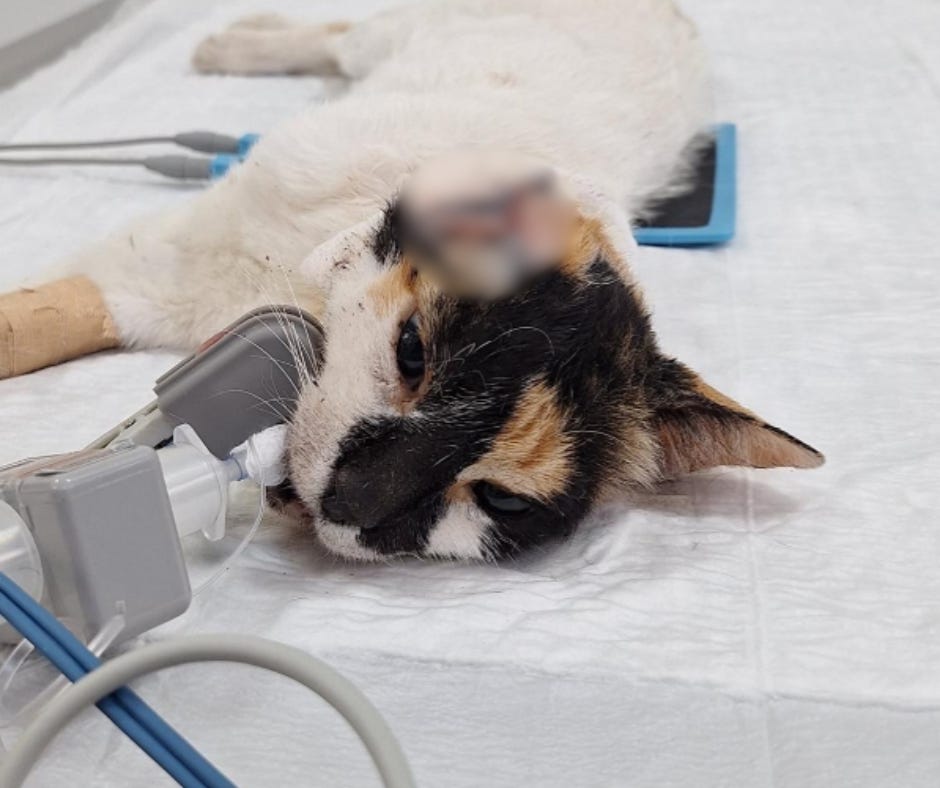
On the Edge of Survival: Treating Stray Dogs at Death’s Door
In countries where stray dog populations are high, every rescue begins at a point of crisis.
Unlike pets who receive immediate veterinary care, stray dogs usually reach safety only after weeks, months, or even years of pain, neglect, and illness. By the time they are finally found, their suffering is profound and healing them is nothing short of a fight for life.
Arriving Broken in Body and Spirit
Many stray dogs are victims of road traffic accidents. Bones left to heal without treatment are fused at unnatural angles, leaving dogs limping in agony or unable to walk at all. Some arrive paralysed, their hind legs dragging painfully along the ground, skin worn raw from constant friction.
Others bear the scars of untreated wounds, gaping, infected injuries, abscesses that have spread deep into tissue, or tumours that have grown unchecked. On the streets, even the smallest injury can spiral into a life-threatening condition.
“These dogs don’t come to us just unwell, they come to us on the edge of survival.”
Battling Preventable Diseases
The illnesses common among strays are as heart breaking as they are preventable. Distemper, parvovirus, and rabies circulate widely, cutting short countless young lives. Mange leaves dogs hairless, bleeding, and in agony, while worms and parasites weaken already starving bodies.
Malnutrition compounds everything. Emaciated dogs arrive with no reserves of strength, their immune systems too fragile to fight infection. For puppies, survival is even less likely, hunger, cold, and disease often claim them before rescue can reach them.
Battling Preventable Diseases
The illnesses common among strays are as heart breaking as they are preventable. Distemper, parvovirus, and rabies circulate widely, cutting short countless young lives. Mange leaves dogs hairless, bleeding, and in agony, while worms and parasites weaken already starving bodies.
Malnutrition compounds everything. Emaciated dogs arrive with no reserves of strength, their immune systems too fragile to fight infection. For puppies, survival is even less likely, hunger, cold, and disease often claim them before rescue can reach them.
The Race Against Time
Rescue teams face overwhelming caseloads. Every sick or injured dog who arrives at a shelter or clinic is a critical emergency. Stabilising them means pain relief, fluids, antibiotics, and surgery, all while working with limited resources and more dogs in need than space to treat them.
Despite the heartbreak, there are remarkable triumphs. Broken bones are repaired, fur grows back over once mangy skin, and once-terrified dogs learn to wag their tails and lean into kindness.
Why This Work Matters
The suffering of stray dogs should not be inevitable. Spay/neuter programmes, vaccination campaigns, and access to basic veterinary care are not luxuries, they are vital tools to prevent more animals from ending up in such desperate states.
Every life saved is a testament to resilience, compassion, and the possibility of change. By supporting rescue work, we not only heal the broken, we take steps toward a future where fewer dogs are forced to endure such suffering.


