

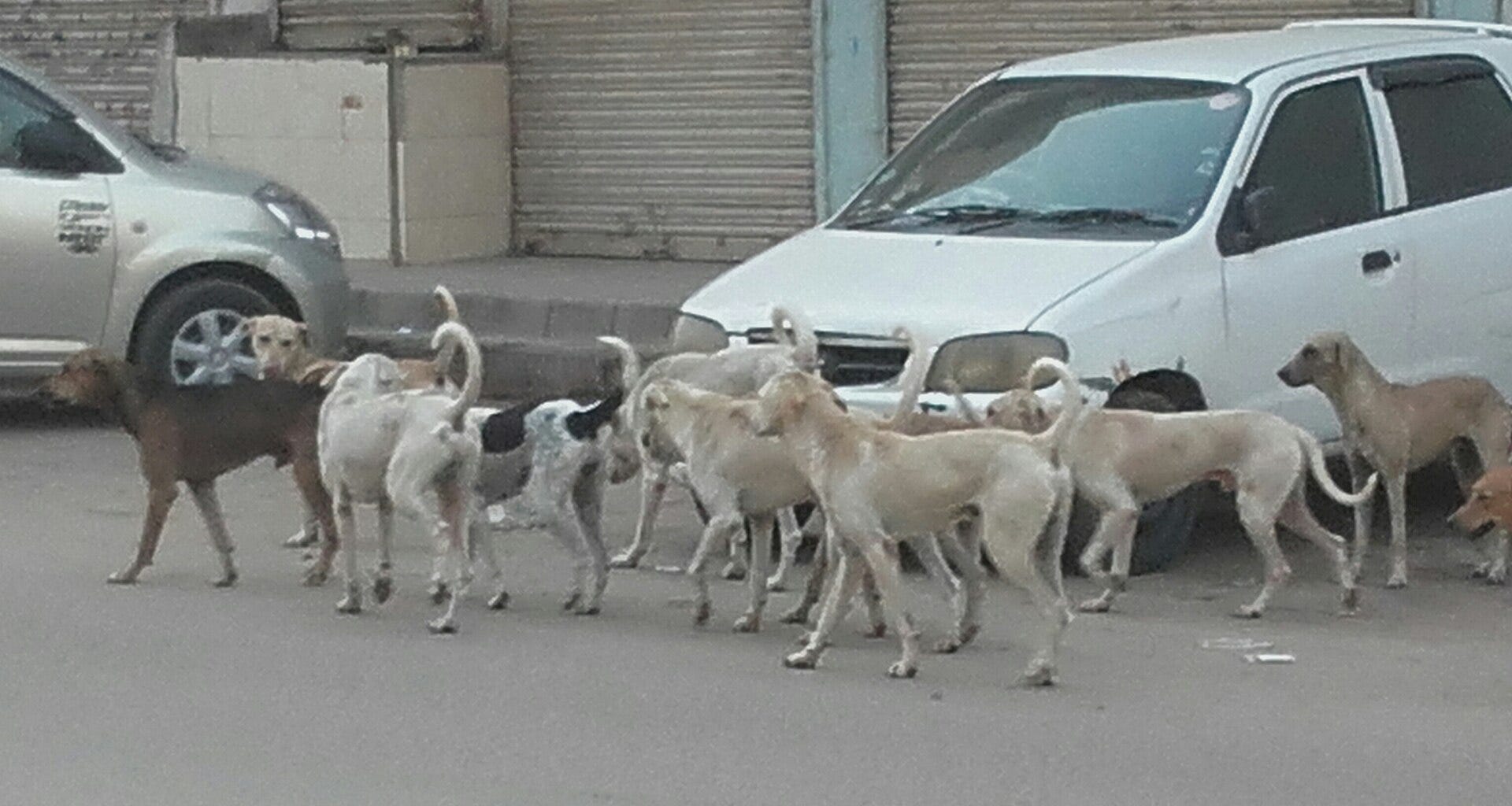

Authorities in South Punjab have ordered a renewed campaign against stray dogs, raising questions about how the directive will be implemented and whether it is consistent with the province’s existing animal population management policy.
The instructions followed a fatal dog attack in Bahawalnagar. Additional Chief Secretary Fawad Hasham Rabbani reportedly chaired an emergency meeting involving deputy commissioners from across South Punjab, directing district administrations to intensify operations and demonstrate measurable results.
Particular attention was given to Rajanpur and Vehari, where officials reported an increase in dog-bite incidents.
What makes this development significant is the language used to describe the campaign. While some English language reports refer to a crackdown on stray dogs, reporting in Urdu explicitly describe measures involving the destruction or culling of dogs.
That distinction demands attention. An administrative instruction to take action against stray dogs may encompass several different approaches, including vaccination, sterilisation, capture and relocation. A campaign described in terms of destruction raises a different set of questions about the methods being authorised and the protections available to animals.
Punjab Already Has an Animal Birth Control Policy
The latest directive must be considered alongside Punjab’s Animal Birth Control (Dogs) Policy 2021, which provides a framework for managing dog populations through humane measures, including sterilisation and vaccination.
In June 2026, Punjab’s governor intervened following reports of illegal dog culling and called for implementation of the existing policy.
Five months later, district administrations are again being instructed to intensify operations against stray dogs, with published reporting describing the campaign in terms of eradication and culling.
This creates an important question of accountability. How are the new instructions being reconciled with the province’s established animal birth control policy, and what guidance has been issued to the officials responsible for carrying them out?
A policy offers little protection if the authorities responsible for implementation are not required to demonstrate compliance.
What Happens When the Orders Reach District Level?
The November reports establish that senior officials have called for intensified action across South Punjab. They do not establish how many dogs have subsequently been captured or killed, which methods are being used, or whether sterilisation and vaccination are being undertaken alongside the campaign.
Those are the details that now need to be established.
Municipal responses to dog population concerns can vary considerably between districts. Without published operational instructions and reliable records, it is difficult to determine whether the latest campaign represents implementation of an existing humane management programme or a return to practices that have already attracted legal and administrative scrutiny.
There are also practical questions about the infrastructure available to support any programme involving the removal of dogs from public spaces. Where will captured animals be taken? What veterinary assessment will they receive? What arrangements exist for their ongoing care, and how will their eventual outcomes be recorded?
If the intention is to reduce the free-roaming dog population over time, the public should be able to see how sterilisation, vaccination, waste management and responsible ownership measures are being implemented.
Removing dogs without addressing the conditions that sustain free-roaming populations does not, by itself, establish a lasting population-management programme.
Public Safety and Animal Protection Are Not Opposing Objectives
Communities are entitled to expect effective measures to reduce dog-bite injuries and prevent rabies. Those responsibilities are entirely compatible with humane animal population management.
Rabies prevention depends on sustained vaccination, surveillance, access to post-exposure treatment and responsible public-health planning. Dog population management requires consistent implementation, reliable records and sufficient veterinary resources.
The World Health Organization recognises mass dog vaccination as a central component of eliminating dog-mediated human rabies. Indiscriminate dog killing is not an effective substitute for vaccination.
The Records Must Show What Is Happening
Dog Desk Animal Action will continue monitoring the South Punjab directive as part of its Global Stray Dog Crisis Watch.
Our immediate focus is on establishing the instructions issued to district administrations, the methods authorised under the renewed campaign, the implementation of Punjab’s Animal Birth Control (Dogs) Policy 2021 and the records maintained for animals affected by these operations.
The published reports do not yet provide sufficient evidence to establish the scale or outcomes of the campaign. We will distinguish between official instructions, reported activities and independently verified results as further information becomes available.
Pakistan’s courts and provincial authorities have already addressed the need for humane dog population management. The latest developments in South Punjab bring the question of implementation back into focus.
The test of an animal protection policy is what happens to animals when the authorities put it into practice.