
Papilloma Virus in Dogs: What It Means for Shelters and Veterinary Clinics
Canine papilloma virus (CPV) is a common viral infection that many dog owners and animal carers encounter, especially in environments where dogs live or gather in close quarters such as animal shelters, boarding facilities, and veterinary clinics.
While the virus often resolves on its own, it can cause concern when it spreads quickly among groups of dogs.
What Is Canine Papilloma Virus?
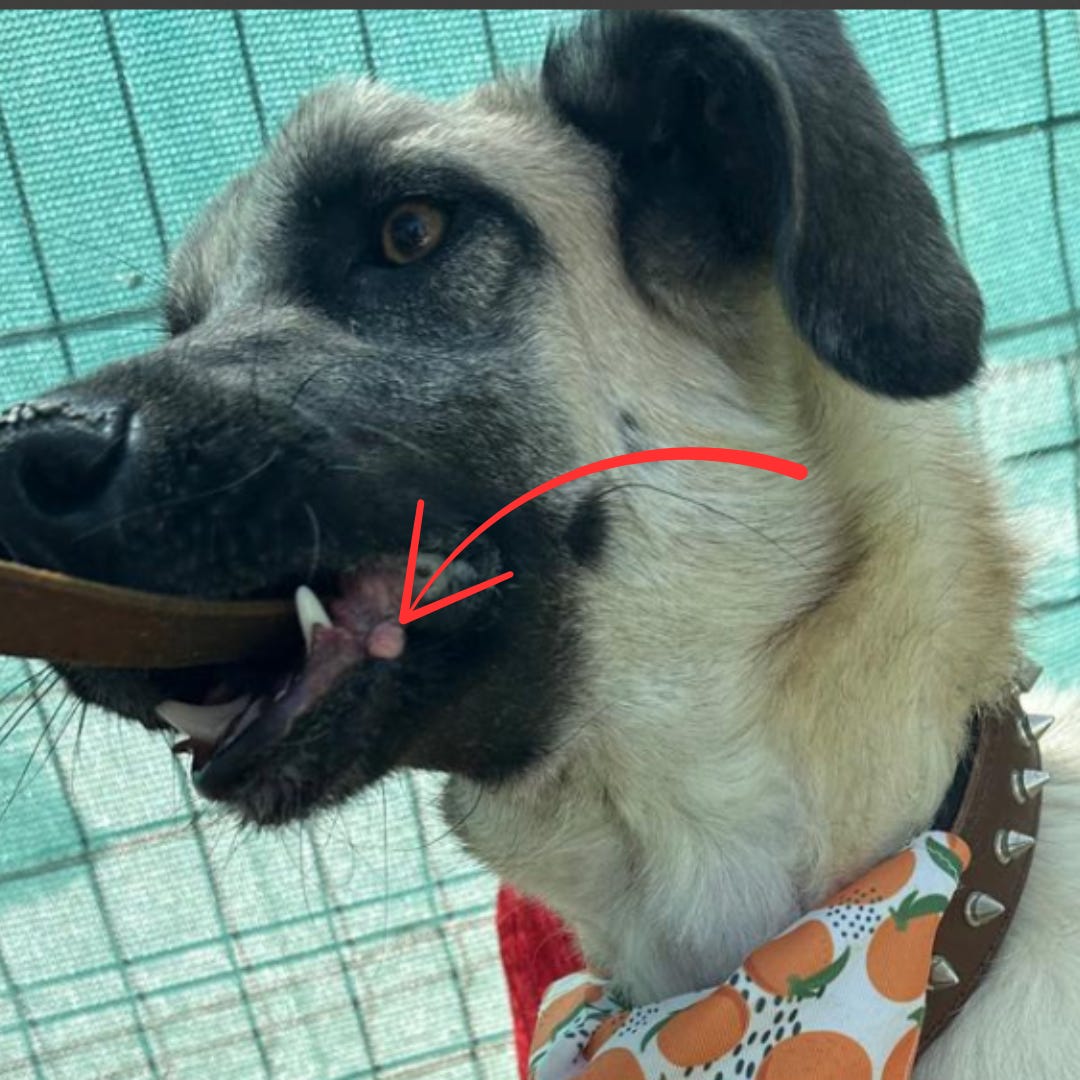
The canine papilloma virus causes wart-like growths (papillomas) on the skin and mucous membranes of dogs. These growths are typically found:
Around the mouth and lips
On the eyelids or conjunctiva
Between the toes
Occasionally on other parts of the body
The virus is species-specific, meaning it does not spread to humans or other animals. In most cases, papillomas are benign, but they can become inflamed, infected, or uncomfortable for the dog.
How Do Dogs Catch Papilloma Virus?
The virus spreads through direct contact with an infected dog or contaminated environments, such as shared food bowls, toys, or bedding.
Dogs with weaker or developing immune systems, particularly puppies, elderly dogs, or those under stress are more susceptible.
Why Is It Common in Shelters and Veterinary Clinics?
Papilloma virus is not uncommon in the general dog population, but it is especially frequent in shelters and vet clinics due to a few key factors:
High density of dogs: Crowded conditions increase the chance of contact and viral transmission.
Shared resources: Communal spaces, water bowls, and bedding make it easy for the virus to spread.
Stress and weakened immunity: Many shelter dogs are under physical and emotional stress, which reduces their ability to fight off infection.
Frequent veterinary visits: Clinics often see dogs with pre-existing conditions or lowered immunity, making the spread more likely.
What Does It Mean for Dogs in Care?
Most infections resolve naturally. In healthy dogs, papillomas usually disappear within 1–5 months as the immune system clears the virus.
Treatment may be needed. If the warts become infected, bleed, or interfere with eating, a veterinarian may remove them surgically or use antiviral medications.
Precautions are important. In shelters and clinics, isolating affected dogs and practicing strict hygiene measures helps reduce outbreaks.
What Can Be Done to Reduce Spread?
Regular cleaning and disinfection of kennels, bowls, and equipment.
Minimising stress in shelter environments to support dogs’ immune systems.
Quarantine or separation of dogs with visible papillomas.
Educating adopters and foster carers about the benign but contagious nature of the virus.
Key Takeaway
While papilloma virus in dogs can look alarming, it is usually a self-limiting condition.
For shelters and veterinary clinics, awareness and preventative measures are crucial to reducing its spread.
By maintaining good hygiene, managing stress, and monitoring dogs carefully, the impact of this virus can be greatly reduced.


