


Toxicology confirms pesticide ingestion as cause of death
Authorities in Buca, İzmir have confirmed that several animals found dead in a residential area died after ingesting poison.
The case has drawn attention not only because of the cruelty involved, but because the victims were not limited to a single species. The incident demonstrates a well-known but often overlooked reality: poisoning rarely harms only the intended target.
What happened
Residents in Cumhuriyet Mahallesi, 1254 Sokak reported multiple dead animals in the area and alerted local authorities.
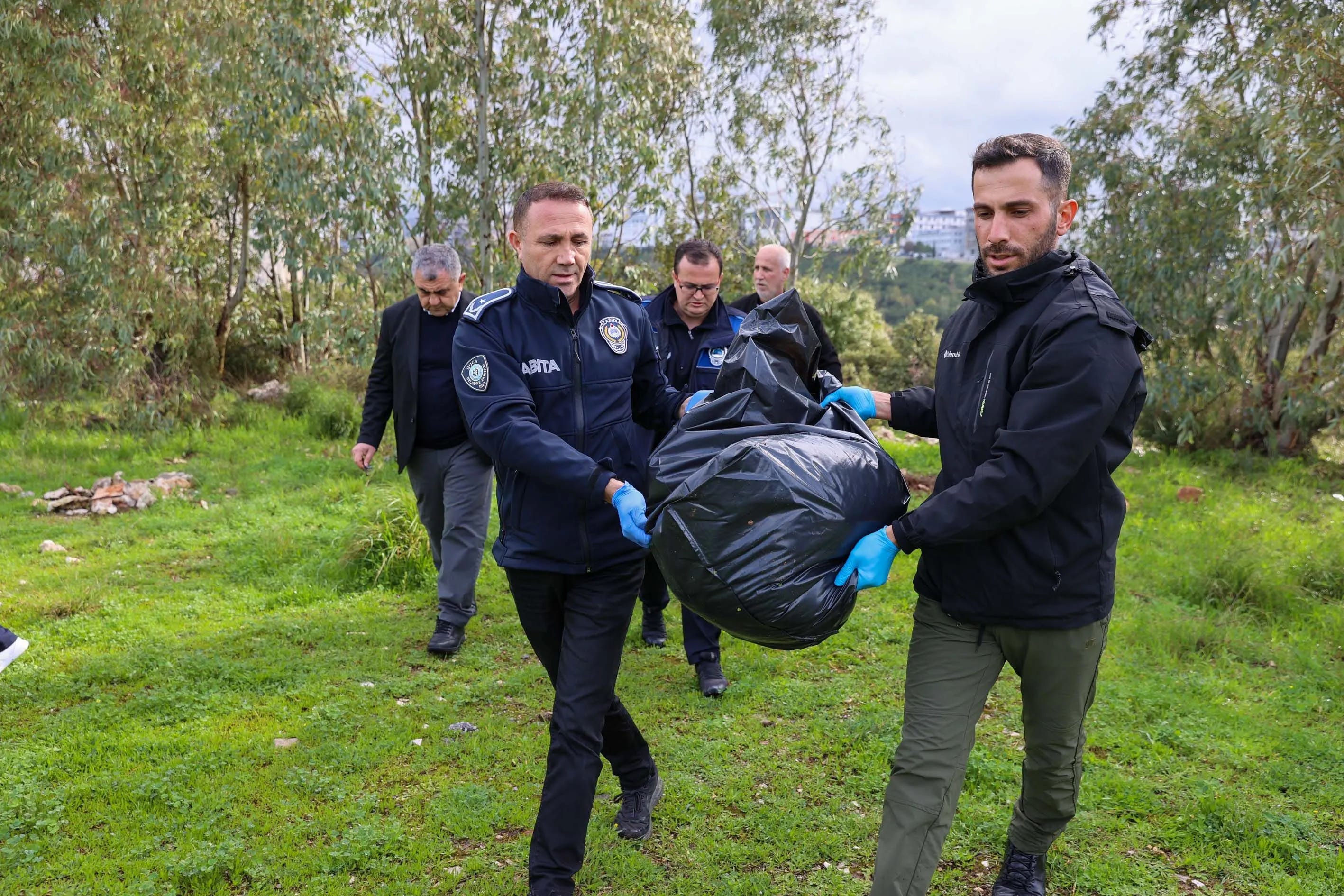
Municipal teams attended the scene and the animals were sent for examination to the Bornova Veterinary Control Research Institute.
Laboratory analysis later confirmed that the animals had died after ingesting pesticide residues.
Eight animals were confirmed dead:
3 cats
1 dog
2 crows
2 chickens
The case has now been referred to prosecutors after the Buca District Directorate of Agriculture and Forestry filed a criminal complaint.
Statement from the municipality
Following the toxicology results, Buca Mayor Görkem Duman confirmed that the deaths were caused by poisoning and that legal proceedings have begun.
He stated:
“Yapılan analizler sonucunda hayvanların zehirlenme sonucu hayatını kaybettiği belirlendi. Yetkili kurumlar gerekli hukuki süreci başlattı. Biz de ilgili kurumlarla koordinasyon içinde sürecin takipçisi olmaya devam edeceğiz.”
Translation:
“The analyses determined that the animals died as a result of poisoning. The relevant authorities have initiated the necessary legal process. We will continue to follow the case in coordination with the responsible institutions.”
Why poison is ecologically indiscriminate
Poison is one of the most indiscriminate methods of killing animals.
Unlike targeted acts of violence, toxins placed in public spaces do not remain confined to a single animal. Once poison enters the environment it spreads through feeding behaviour, scavenging and the natural food chain.
In urban settings this often leads to multiple species being affected.
A poisoned bait intended for a dog may also be eaten by:
street cats
birds such as crows or gulls
wildlife
domestic animals
scavengers that consume poisoned carcasses
Secondary poisoning can occur when another animal eats a poisoned victim. In this way toxins move through ecosystems quickly and unpredictably.
The deaths in Buca illustrate this dynamic clearly. Cats, a dog, birds and chickens all died in the same incident.
This is why poisoning is widely recognised by veterinary and environmental authorities as not just cruel but ecologically dangerous also
The wider context
Incidents involving poison often occur in environments where tensions around street animals are high.
Across Turkey, pressure on municipalities to manage street dog populations has increased significantly since legislative changes in 2024. At the same time, many municipal systems remain under-resourced, and sterilisation and veterinary infrastructure varies widely between regions.
When humane population management systems are weak or inconsistent, harmful methods sometimes appear in communities.
Poisoning does not solve the underlying issues surrounding street animals. Instead, it introduces new risks to public health, wildlife and companion animals.
Accountability
Under Turkish law, deliberate harm to animals is a criminal offence.
The investigation in Buca will now depend on whether authorities can identify the individual responsible for placing the toxic substance.
For residents and animal advocates alike, the outcome of this case will determine whether poisoning incidents are treated as isolated events—or as crimes that require serious accountability.
A wider warning
The animals who died in Buca were not the only victims.
When poison enters public spaces, it threatens the entire urban ecosystem.
What begins as an act against one animal rarely ends there.