


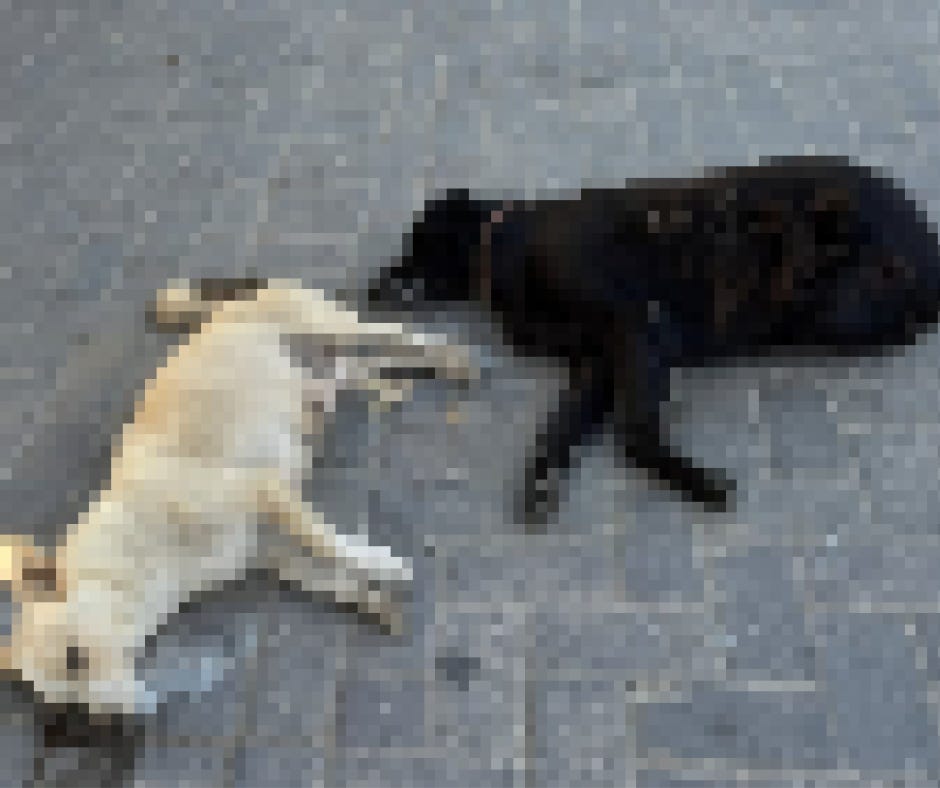
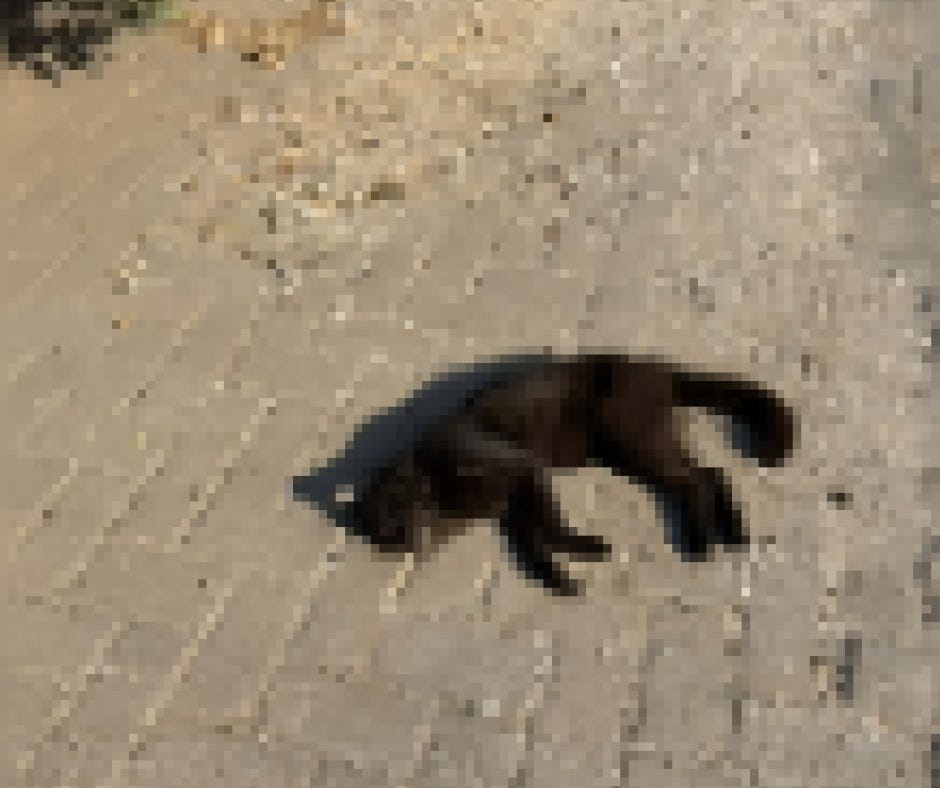
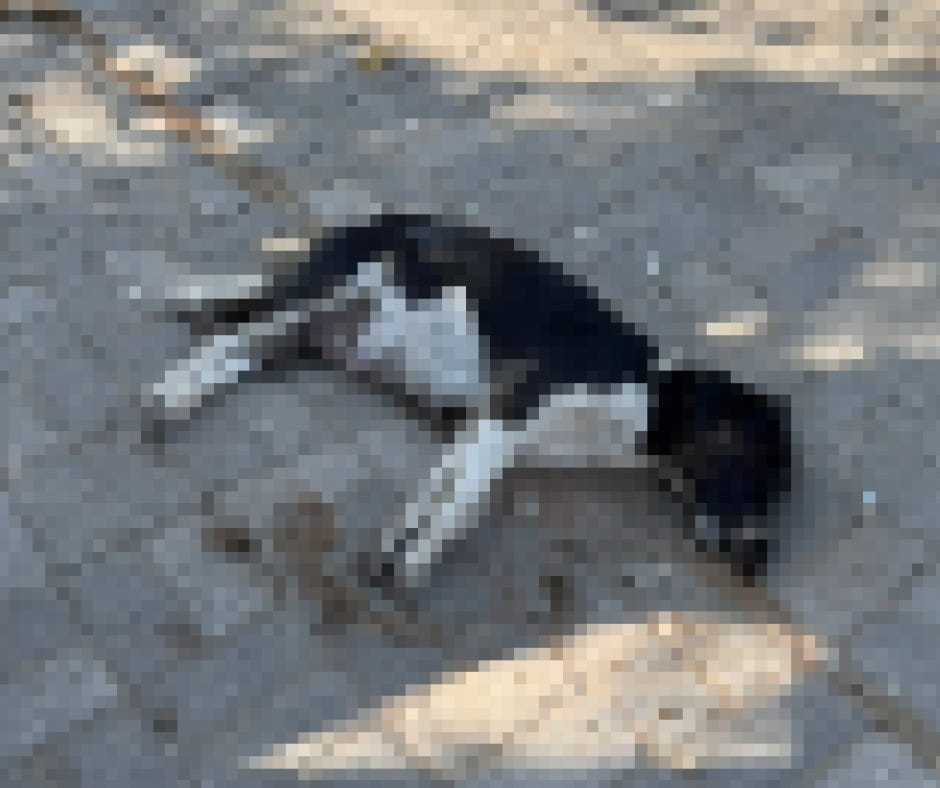
In late August 2025, the community of Selçuk in İzmir was shaken by a heart breaking act of cruelty. Ten dogs and five cats lost their lives after eating poisoned meat. Even more disturbing was the discovery that the suspect — identified as A.S. — had allegedly used children to distribute the tainted food.
This shocking case has not only highlighted the urgent need for stronger animal welfare protections in Turkey but also exposed the deep vulnerabilities of children when manipulated by adults.
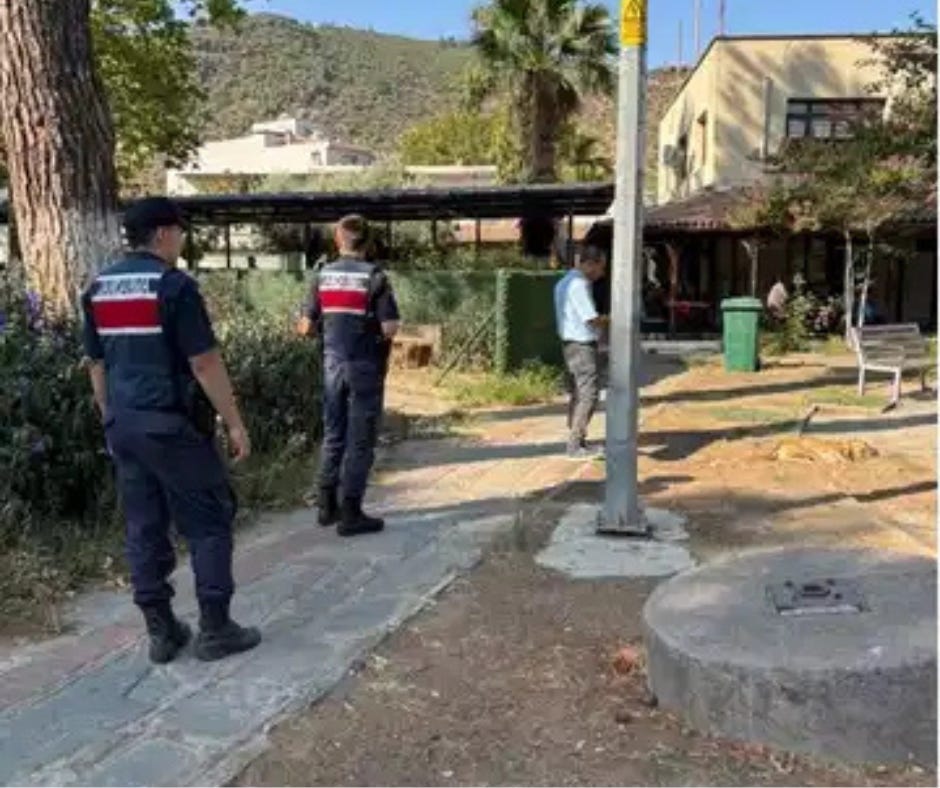
How the Crime Was Uncovered
Authorities launched an investigation after the sudden deaths of multiple street dogs and cats. Testimonies revealed that A.S. prepared the poisoned meat and handed it to local children, asking them to “feed the hungry animals.”
In reality, these children were unknowingly delivering death to the very creatures they may have thought they were helping. This layer of manipulation turned a case of animal cruelty into something even darker — one that endangered both children’s well-being and trust.

The Suspect’s Claims
A.S. was quickly taken into custody. In initial statements, the suspect reportedly claimed to have been previously attacked by dogs. Whether this was an attempt to justify or excuse the crime remains to be seen. Legal authorities are now tasked with weighing the evidence, but the public’s verdict is already clear: there is no excuse for cruelty of this scale.
Public Outrage and Grief
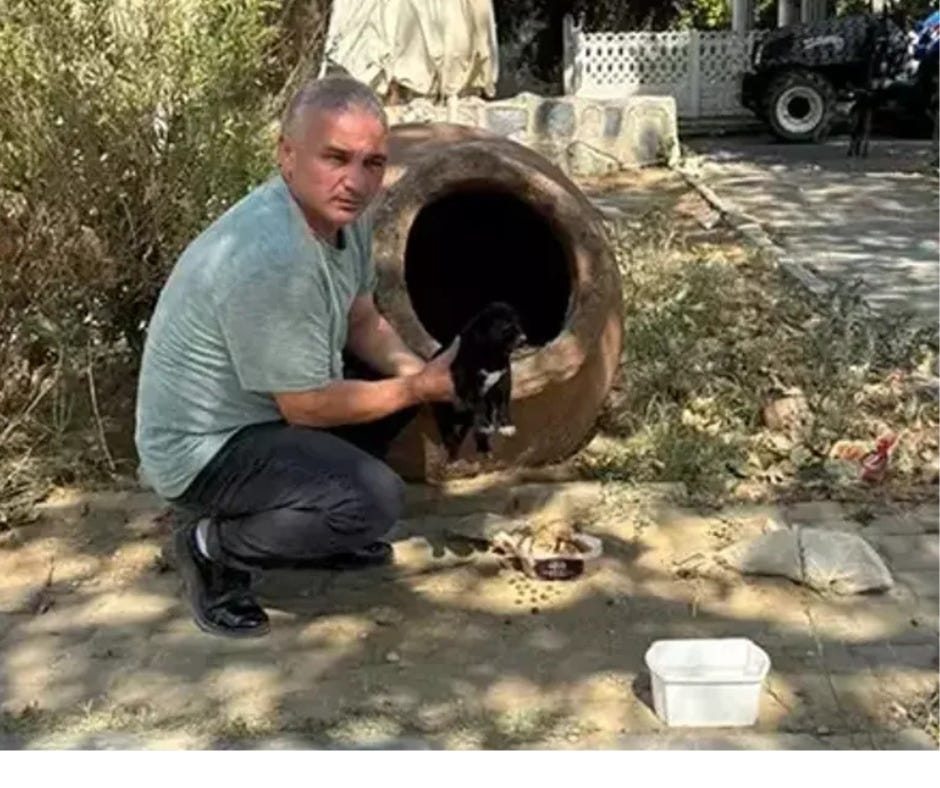
The news provoked widespread grief and fury. Social media platforms lit up with heart breaking tributes to the poisoned animals and urgent calls for justice.
Many emphasized that this case was not just about animals — it was about children, too. Innocent young people were manipulated into taking part in an act they could not possibly understand.
Animal welfare groups, activists, and ordinary citizens alike demanded stronger safeguards, both to protect street animals from deliberate harm and to shield children from exploitation.
Courtroom Developments
As the case moves forward, A.S. faces potential charges under both animal welfare and public safety laws. Animal rights lawyers argue that the involvement of children makes the case especially grave, and are pushing for the harshest possible sentence.
Observers note that the court’s handling of this trial may set a significant precedent. If treated with the seriousness it deserves, it could send a powerful message: that cruelty against animals — and manipulation of children — will no longer be tolerated.
The Bigger Picture
This tragedy has raised pressing questions for Turkish society:
Animal Protection: Are current laws and penalties enough to deter deliberate cruelty?
Child Safety: How can children be taught to recognize when adults are asking them to do something harmful?
Community Vigilance: What role can neighbours and schools play in stopping such crimes before they escalate?
Mental Health and Accountability: What drives someone to such acts of violence, and how can intervention happen earlier?
A Call to Action
While the court will determine A.S.’s fate, the wider community has its own responsibility. To prevent similar tragedies:
Strengthen Animal Welfare Laws — with harsher penalties for deliberate poisoning.
Protect Children — through education programs teaching them how to respond to dangerous requests.
Build Community Awareness — encouraging citizens to report suspicious behaviour immediately.
Promote Compassion — fostering respect for both animals and people as a cornerstone of healthy societies.
Final Thoughts
The poisoning of ten dogs and five cats in İzmir was more than an act of cruelty — it was a betrayal of both animals and children. By manipulating the innocent to carry out his crime, the suspect turned a horrifying act into something even more grotesque.
Justice must be served. But beyond the courtroom, the case should galvanize us all to build stronger protections for the most vulnerable, and to create a future where neither children nor animals are used and discarded in acts of violence.