


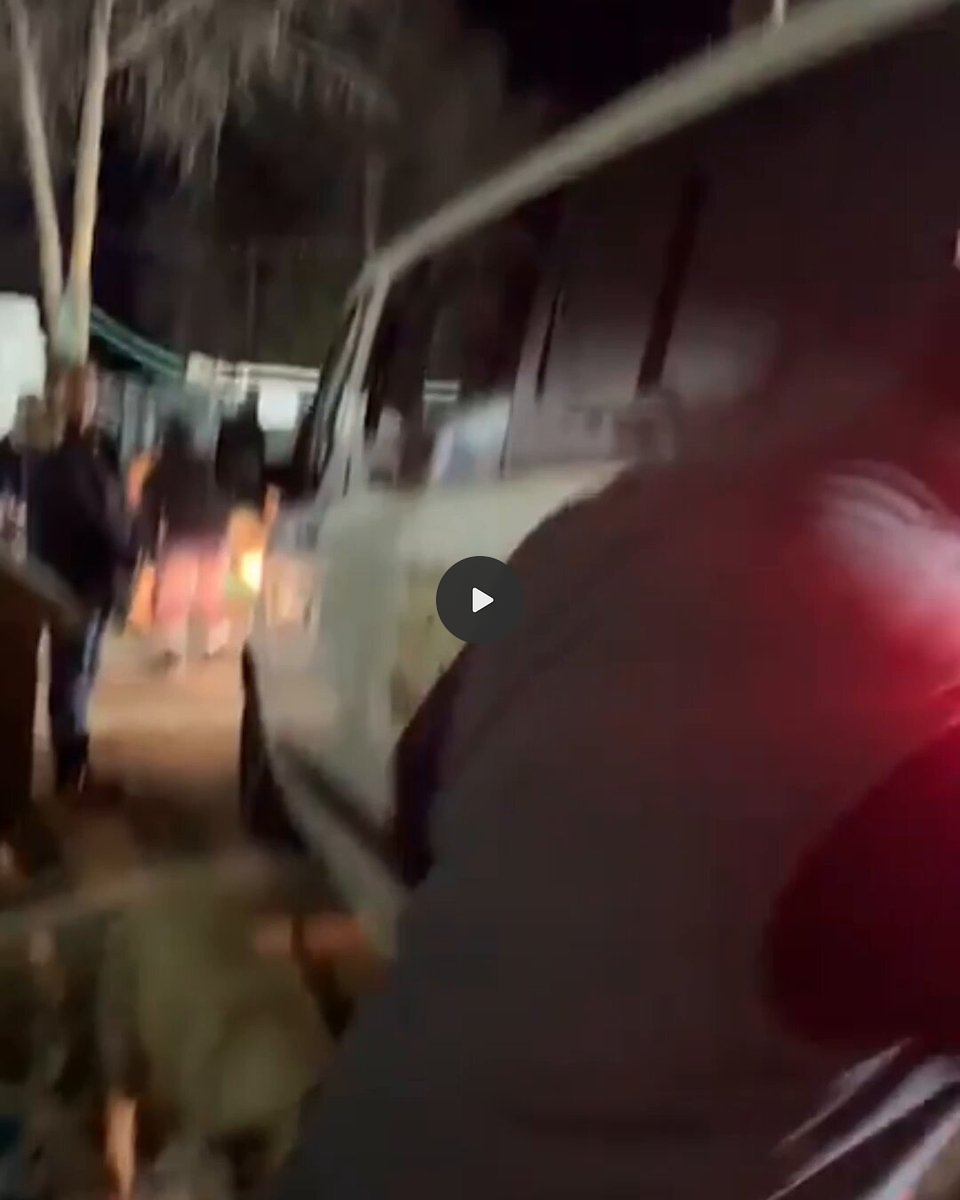
Riot police, pepper spray, students dragged along the ground and dogs loaded into municipal collection vehicles. These were the scenes at Ege University in İzmir during an overnight operation that descended into violent confrontation on 16–17 October.
Students and animal welfare advocates attempted to prevent the removal of dogs they had cared for over many years. Footage circulating widely on social media shows police confronting protesters, with officers using pepper spray and people being dragged along the ground.
There are further accounts of plastic bullets being fired and a municipal vehicle being driven towards protesters. These allegations have not yet been independently verified.
The operation began late on Friday, when municipal vehicles accompanied by police arrived at an animal care area behind student accommodation on the university’s Bornova campus. As news spread, students, academics and animal welfare advocates gathered while police restricted access and collection teams removed the dogs.
Students also described animals being taken from university accommodation grounds, beyond the main rehabilitation area.
Nine Years of Animal Care
Since 2017, the Ege University Animal Rights Society had operated a rehabilitation programme on land allocated by the university.
Students and volunteers provided food, veterinary treatment, sterilisation, behavioural rehabilitation and adoption support. Some purchased food using their own allowances, investing years of work and personal resources in the animals’ care.
The operation therefore involved dogs already receiving organised support through an established university programme, rather than animals without anyone taking responsibility for them.
The removal of these dogs provoked an immediate reaction from the people who had been looking after them, leading to the confrontations witnessed during the night.
The Violence at Ege University
The use of force against students and animal welfare advocates has become one of the most disturbing aspects of the incident.
Beyond the pepper spray and physical confrontations visible in the footage, the accounts involving plastic bullets and a vehicle being driven towards demonstrators raise additional concerns. Whether anyone sustained injuries, and the full circumstances surrounding these incidents, remain unclear.
The confrontation has attracted considerable attention, with animal welfare advocates organising a gathering outside Bornova Government House on Saturday evening.

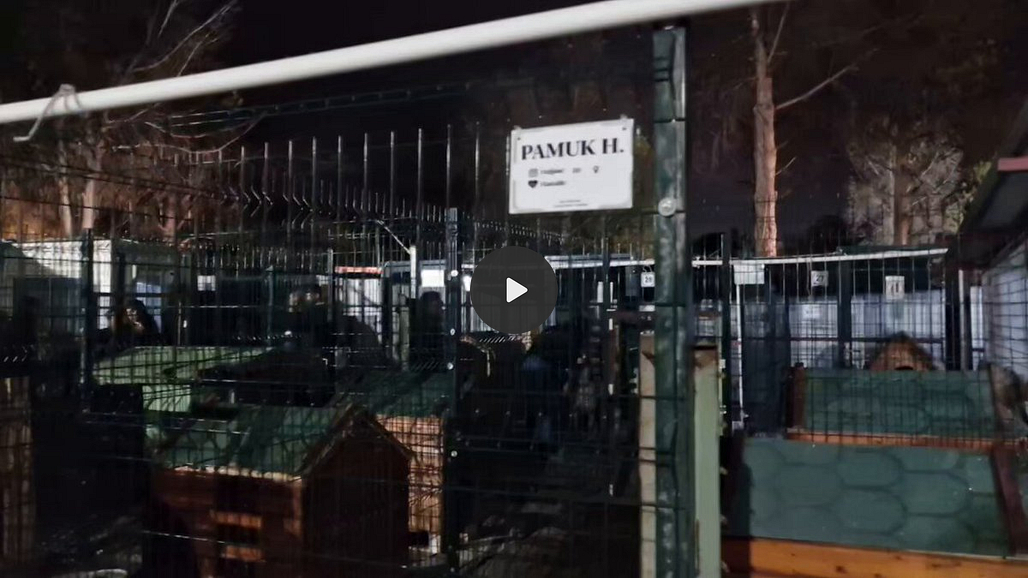
Where Have the Dogs Gone?
Students were informed that the animals would be transported to municipal shelters. However, the information available on Saturday morning does not establish which facilities received them, how many dogs were transferred or whether their former carers have been able to check on their welfare.
Some of the animals had been receiving medical treatment or rehabilitation, making continuity of care particularly relevant. It is not known whether their existing veterinary records and individual care information accompanied them.
The final number of dogs removed also remains unconfirmed, with estimates of the population in the affected areas ranging from 150 to 200.
The events at Ege University have exposed a deeply troubling reality: even an established animal welfare programme, supported by years of voluntary work, can find itself at the centre of a confrontation of this magnitude.
Beyond the immediate outrage lies a more enduring concern about the future of community-led animal welfare in Türkiye. If programmes built around sterilisation, treatment and rehabilitation cannot offer stability for the animals in their care, what future is there for the people working tirelessly to provide humane solutions?
That question extends far beyond the gates of Ege University.