

Questions Over Stray Dog Clearances Ahead of IRONMAN Event in the Philippines

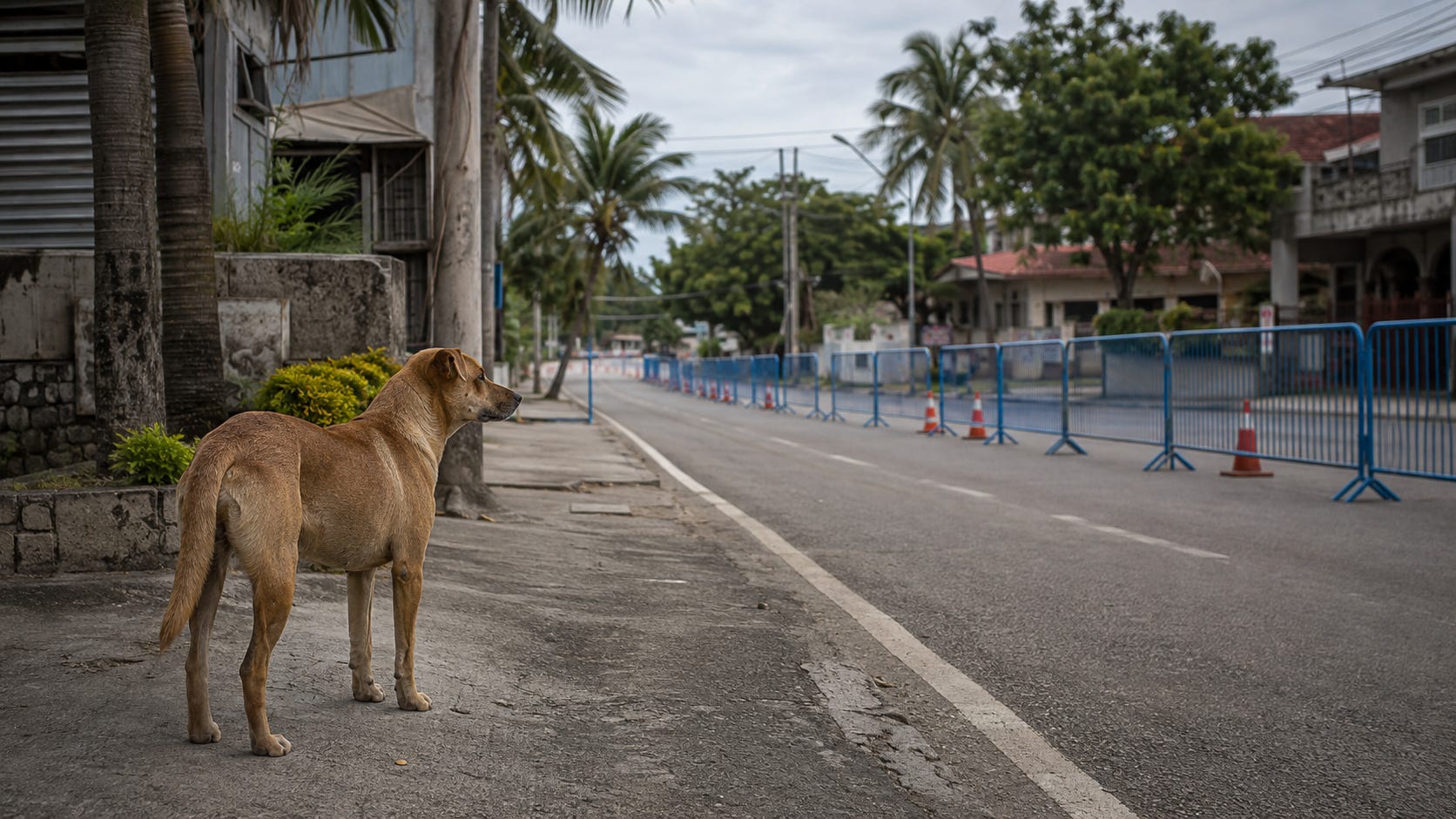
Serious concerns have been raised about the treatment of stray dogs in Lapu-Lapu City, Philippines, ahead of the IRONMAN 70.3 triathlon scheduled for 9 August 2026.
A Cebu based animal welfare organisation has alleged that dogs are routinely removed from the streets as the city prepares to host the international sporting event. The organisation claims that event related clearances have taken place for several years and that historically, impounded dogs were killed.
The allegations have been strongly denied by both the Lapu-Lapu City Government and the company organising this year’s event.
The dispute has drawn renewed attention to what happens to street dogs when cities prepare to host major international events. While there is currently no independent evidence showing that dogs have been killed in connection with the 2026 event, questions remain about whether dogs are being collected, how many have entered the city pound and what ultimately happens to them.
Allegations dating back to 2012
Mayari Animal Rescue Organisation, known as MARO, says its concerns began when Lapu-Lapu City hosted an IRONMAN event in 2012.
The organisation claims that hundreds of dogs were impounded while the streets were being cleared and that dogs were subsequently killed at the city pound. MARO says its volunteers rescued more than 70 dogs during those operations but were unable to save all those taken from the streets.
The experience reportedly played a significant role in the organisation’s formation that year.
As the 2026 IRONMAN event approaches, MARO has renewed its campaign calling for an end to what it describes as the routine impounding of dogs ahead of the race. It is also promoting an existing petition seeking changes to the policies followed by the Lapu-Lapu City animal pound.
Allegations are serious, and transparency in current records is vital to foster trust and clarify what happens in 2026, reassuring the public and advocates.
MARO’s public statements express a clear expectation that dogs will again be removed as the event approaches. However, without published pound intake figures, collection records, photographs of clearances, or euthanasia documentation, the public cannot verify the scale or outcome of any operation this year, raising questions about transparency.
City government denies dogs are being killed.
The Lapu-Lapu City Government has denied that dogs or cats have been killed in connection with the triathlon under the current political administration.
Mark Bautista, head of the city’s Public Information Office, told The Freeman that there had been no history of dogs or cats being euthanised during or after the IRONMAN event under the Chan administration.
The administration referred to by the city covers the period of former mayor and current congressman Junard Ahong Chan and incumbent mayor Cynthia Cindi King Chan.
City officials have said they are willing to enter into dialogue with the animal welfare organisation to develop a more collaborative approach to animal management.
The denial is significant, but it does not answer every question raised by the dispute. Saying that animals have not been euthanised does not establish whether dogs have been impounded ahead of the event, how many may have been collected or where those animals are now. No current pound records appear to have been provided alongside the city’s statement.
Event organiser says it does not know the practice
Sunrise Events Inc., the organiser of IRONMAN 70.3 Philippines in Cebu, has also denied any knowledge of dogs being impounded or killed because of the race.
Company president and general manager Princess Galura told The Freeman that the organiser had never been informed of such an issue. She said that 2012 involved different political leadership and a different racecourse, and that impounding or euthanising dogs had not been considered an option during the organiser’s work with the present city administration.
Residents living along the run route in Barangay Punta Engaño have instead been asked to keep their dogs indoors during that part of the race.
This approach may help protect owned dogs from entering the course. But it does not address the welfare or treatment of unowned community dogs living in or around the event area, which remains a significant concern for animal advocates and the public.
The need for records not reassurances
At present, the available information presents two competing accounts. An established local animal welfare organisation says the arrival of the IRONMAN event has historically been associated with the removal and killing of dogs. The city government and event organiser deny that animals have been killed under the current administration or because of this year’s event.
The city could demonstrate transparency by publishing detailed records, including the number of dogs impounded, reasons for removal, and outcomes, to address public concerns and clarify practices.
These should include the number of dogs impounded in the weeks before and after the event, the locations from which they were collected, the reasons recorded for their removal and the number returned to owners, adopted, transferred, released, remaining in the pound or euthanised.
Records from equivalent periods without a major event would also help determine whether there has been an unusual rise in collections.
Without this information, it is not possible to confirm claims that dogs are currently being killed. It is equally difficult to establish from the official denial alone whether street clearances are taking place and what happens to any dogs that are removed.
Major events must not place street animals at risk
The presence of community dogs can create genuine road safety and animal welfare concerns during a large sporting event. Dogs may become frightened by crowds, barriers, vehicles and unfamiliar activity. They may also enter the course and place themselves or competitors at risk.
Those concerns require humane planning rather than the temporary disappearance of animals, encouraging accountability and ensuring community dogs are treated with care during the event.
Cities hosting international events should work with veterinarians and credible animal welfare specialists well before the event begins. Dogs can be assessed, vaccinated, sterilised where appropriate and temporarily protected without being subjected to indiscriminate collection or killing. Any animal taken into municipal custody should be traceable through a transparent intake and outcome system.
Event organisers and authorities should implement independent monitoring and publish pound records to build public trust and ensure accountability, addressing longstanding concerns.
The situation should be monitored after 9 August
The Philippines remains on the Dog Desk Animal Action Global Stray Dog Crisis Map Watchlist. This report alone does not justify changing that status because current event related killing has not been independently verified.
However, the allegations are credible enough to require continued scrutiny. Particular attention should be paid to municipal pound intake, release, adoption, transfer and euthanasia figures covering the period immediately before and after 9 August.
If evidence emerges that dogs have been removed or killed specifically to clear the streets for the event, it would represent a significant animal welfare development which would require a reassessment of the country’s map status.
For now, the most responsible conclusion is that serious concerns have been raised, official denials have been issued, and the information needed to determine what is happening to Lapu-Lapu City’s dogs has not yet been made public.
Major sporting events should leave behind a positive legacy for their host communities. That legacy cannot be measured only through visitor numbers, television coverage or successful race times. It must also be measured by how a city treats the animals who were already living on its streets before the barriers went up.