
Rabies in Dogs: Why Vaccination Saves Lives
One of the most troubling aspects of rabies is that it is almost impossible to confirm in a living dog. The only way to make a definitive diagnosis is through examination of brain tissue after death.
Before this point, symptoms can mimic a range of other conditions: aggression, excessive drooling, difficulty swallowing, paralysis, or even changes in behaviour such as unusual friendliness or lethargy.
Because rabies can look like so many other illnesses — or sometimes appear with very few symptoms at all — suspicion alone can cause widespread alarm. A dog behaving strangely may be suffering from heatstroke, poisoning, neurological disease, or trauma, yet in areas where rabies is present, the assumption often leaps to the worst-case scenario.
The Risks to People
Rabies is one of the deadliest diseases known to humankind. Once symptoms appear, it is almost universally fatal.
The virus spreads most commonly through the bite of an infected animal, and once transmitted, urgent medical treatment is essential.
For communities without easy access to post-exposure prophylaxis (PEP), the consequences can be devastating. Every year, tens of thousands of people — many of them children — die from rabies after exposure to infected dogs.
Fear, Stigma, and the Danger to Dogs
Because rabies cannot be diagnosed with certainty in a living dog, fear often drives people to take extreme measures.
Communities that experience rabies outbreaks sometimes respond with indiscriminate culling of street dogs or even violence towards owned animals.
Misinformation, panic, and lack of vaccination contribute to these harmful cycles. Tragically, dogs who are not infected with rabies are often killed simply because of suspicion or fear.
Vaccination: Protection Beyond Health
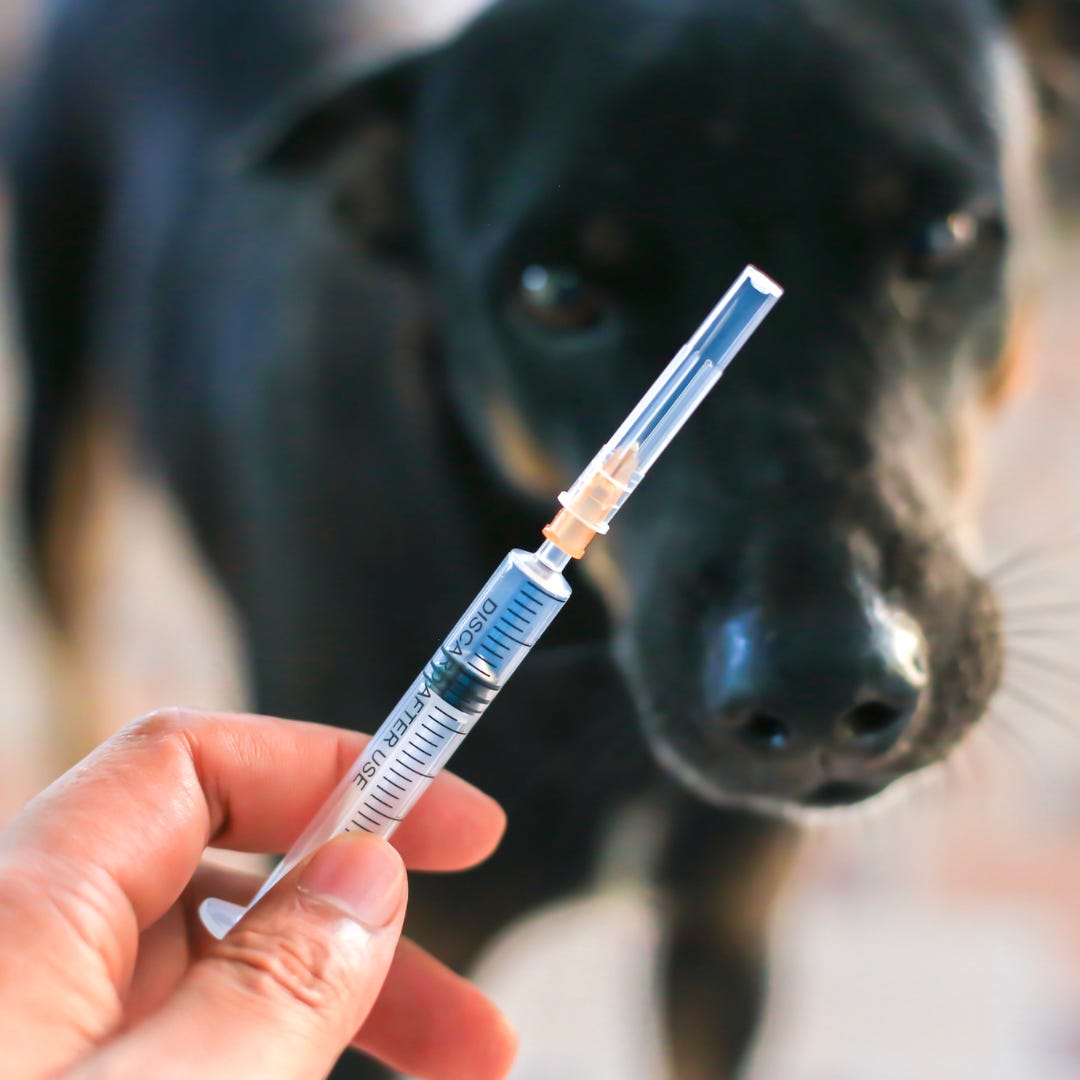
The single most effective way to prevent rabies is vaccination. By ensuring that dogs are vaccinated, we create a protective barrier that stops the virus from spreading between animals and to humans.
This not only saves lives but also breaks the cycle of fear and abuse.
When communities understand that vaccinated dogs cannot transmit rabies, they are less likely to resort to violence or mass culling during times of uncertainty. Vaccination provides safety, reassurance, and compassion — for both people and animals.
A Collective Responsibility
Rabies is entirely preventable. The tools to eradicate it exist, yet too often vaccination coverage remains patchy, especially in regions where stray dogs are vulnerable.
By supporting widespread vaccination campaigns, we protect children, families, and entire communities. At the same time, we protect dogs from needless suffering caused by fear-driven abuse.
Every rabies vaccine administered is not only a shield against disease but also a step towards a world where people and dogs can live together safely, without fear.


