

Rescue Roulette: Unpacking the Bias Against Foreign Dogs

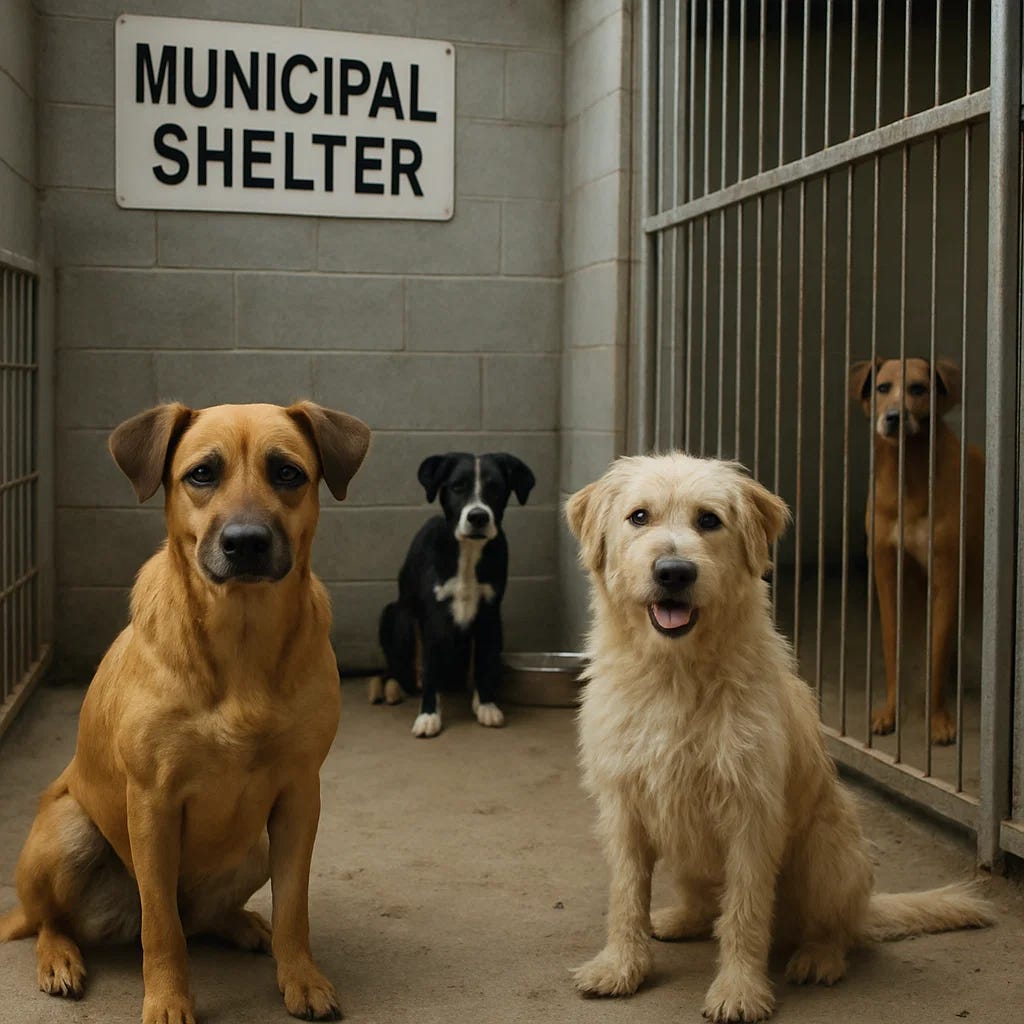
The BBC’s recent programme Rescue Roulette: Dogs from Abroad set out to examine the risks of importing rescue dogs from overseas. Unfortunately, while it raised a few valid points about the responsibilities of adoption, it also played directly into a growing narrative that unfairly paints “foreign dogs” as problematic, dangerous, or unwanted.
The programme’s tone and editing choices have already sparked anger from many in the rescue community. Animal advocates have accused the BBC of failing to present a balanced view, focusing heavily on worst-case scenarios while side lining the positive impact that thousands of overseas adoptions have had on dogs and families in the UK.
The Reality of Rescue: Roulette for All Dogs
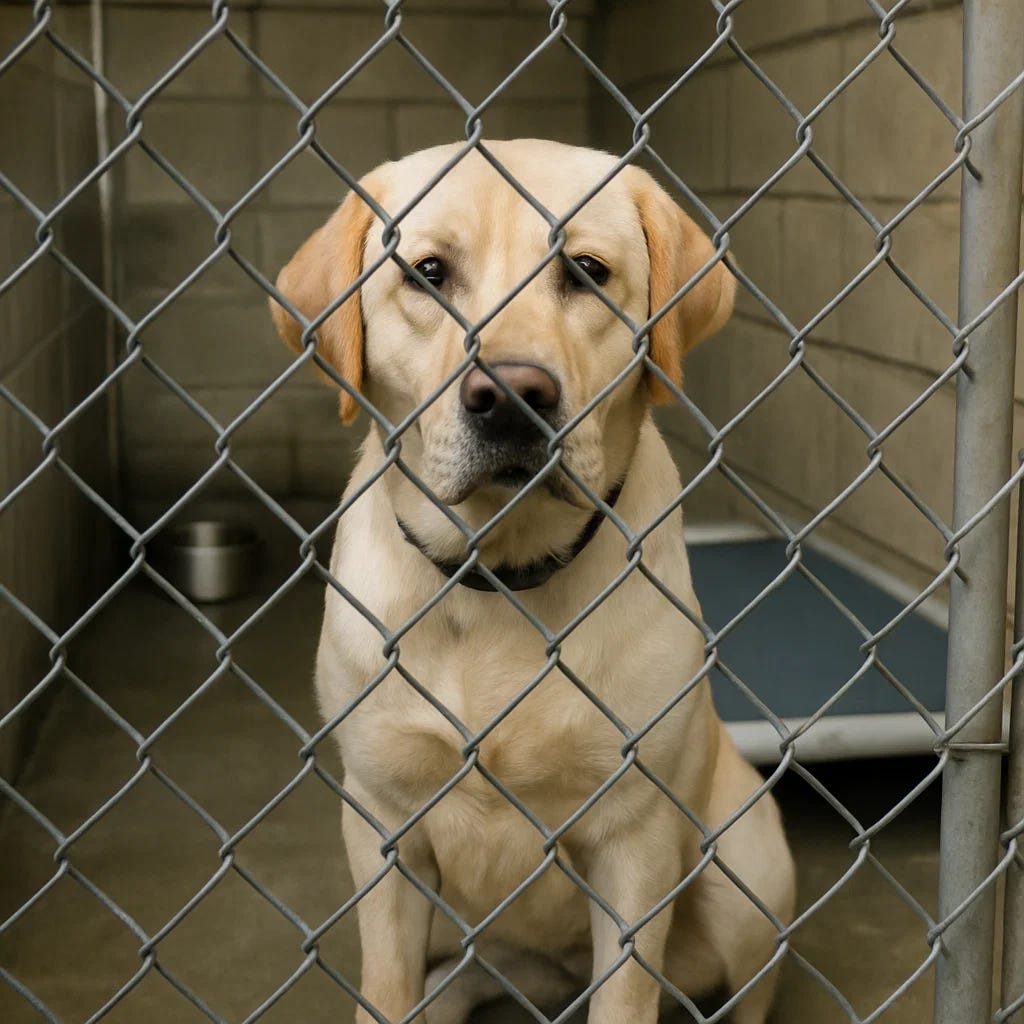
One of the programme’s central ideas was that adopting a dog from abroad can be a gamble. That much is true, but it’s equally true for any rescue dog, whether they’re from Manchester or Moldova.
Patchwork Paws, a UK rescue organisation, responded by pointing out that all rescues, domestic or foreign, come with unknowns. Dogs who have suffered trauma, neglect, or abandonment may display challenging behaviours. The difference is not where the dog is born, but how well adopters are prepared, supported, and educated.
Health and Safety: The Facts Often Left Out
The programme repeatedly implied that imported dogs pose unique health risks. Yet, as many rescuers of overseas dogs highlighted in their public responses, many overseas rescues have stricter veterinary protocols than UK shelters.
Before travelling, foreign dogs are fully vaccinated, microchipped, tested for diseases, and undergo thorough veterinary checks. In some cases, the standard of pre-travel health care exceeds what many UK-born dogs receive. By not including this perspective, the BBC left viewers with a skewed impression.

Why People Turn to Foreign Rescues
Many UK adopters actively seek dogs from abroad because domestic shelters have made it incredibly difficult to adopt.
Potential adopters report being turned away for trivial reasons—having a full-time job, living in a flat, or not having prior dog experience. Overseas rescues, while still responsible, often focus on matching dogs with suitable homes rather than adhering to inflexible tick-box criteria.
As several voices on social media noted, the issue is not that people prefer foreign dogs, but that foreign rescues are often the only ones willing to give them a chance.
The Danger of Bias in Mainstream Media
By framing foreign dogs as an inherent threat, there is a risk of fuelling anti-rescue and even anti-stray sentiment. We’ve seen how quickly such narratives can spiral, leading to policy changes that harm animals rather than protect them.
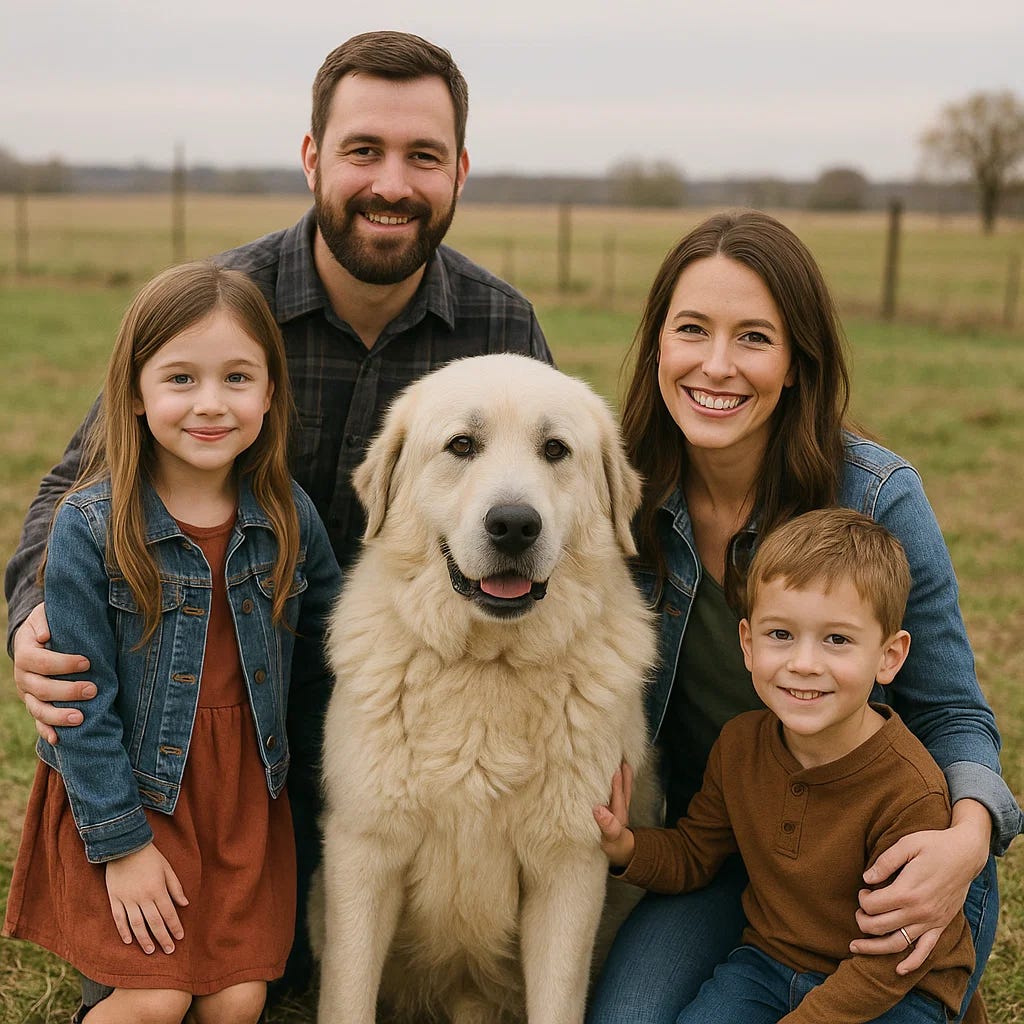
The whole picture needs to be presented: the successes as well as the challenges, the thousands of dogs thriving in UK homes after being rescued from the streets, and the lifesaving work done by countless volunteers across borders.
A Call for Balance and Compassion
Adopting a rescue dog will always involve a degree of “roulette.” There are no guarantees—whether the dog comes from the next town or another continent. What matters most is responsible rescue work, transparent adoption processes, and informed, committed adopters.
Foreign dogs are not a threat to be feared. They are individuals—often survivors of extreme hardship—deserving of the same compassion and opportunity as any other dog. It’s time the conversation reflected that.