
“Ripped Away”: The Human Cost of Dog Culling in Turkey — What Kars Shelter Reveals
Content note: This article discusses animal cruelty and suicidal thoughts.

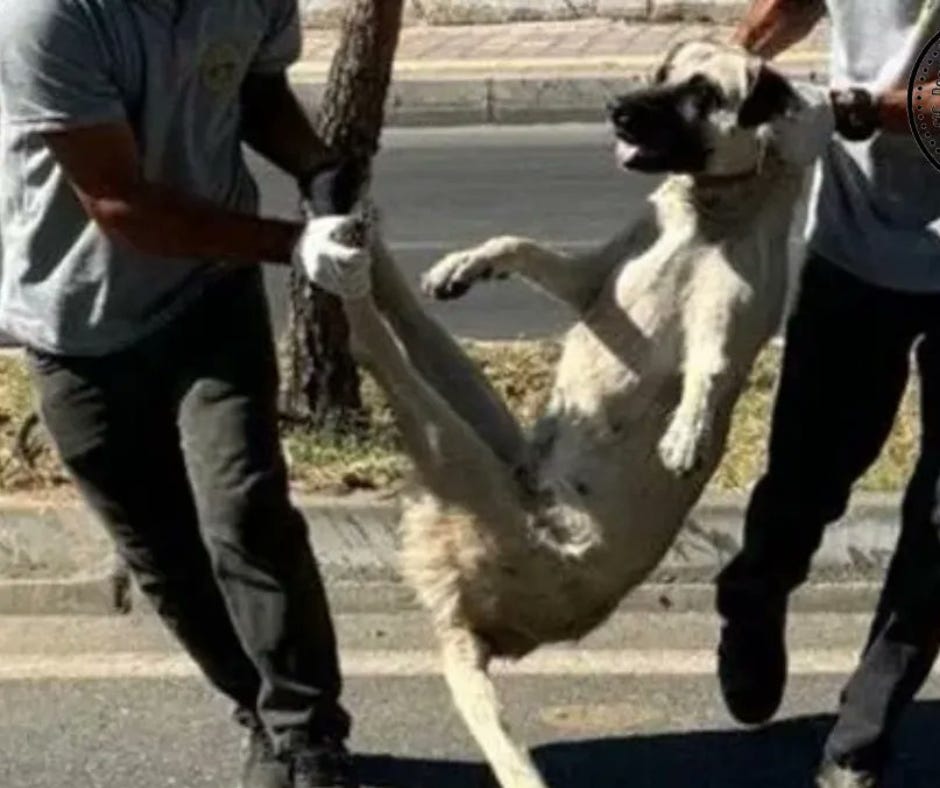
Across Turkey, thousands of street dogs are being rounded up and taken to municipal shelters that are unprepared, under-resourced, and in too many cases deadly. The scenes documented around Kars shelter are not aberrations; they are a window into a wider crisis of violence, deprivation, and neglect. Dogs arrive healthy and trusting, then disappear into pens without food or water, without shelter from bitter weather, without basic medical care. Many never come out alive.
This is an animal-welfare emergency. It is also a mental-health emergency for the people who loved and cared for these dogs in their communities.
What Kars Shows Us
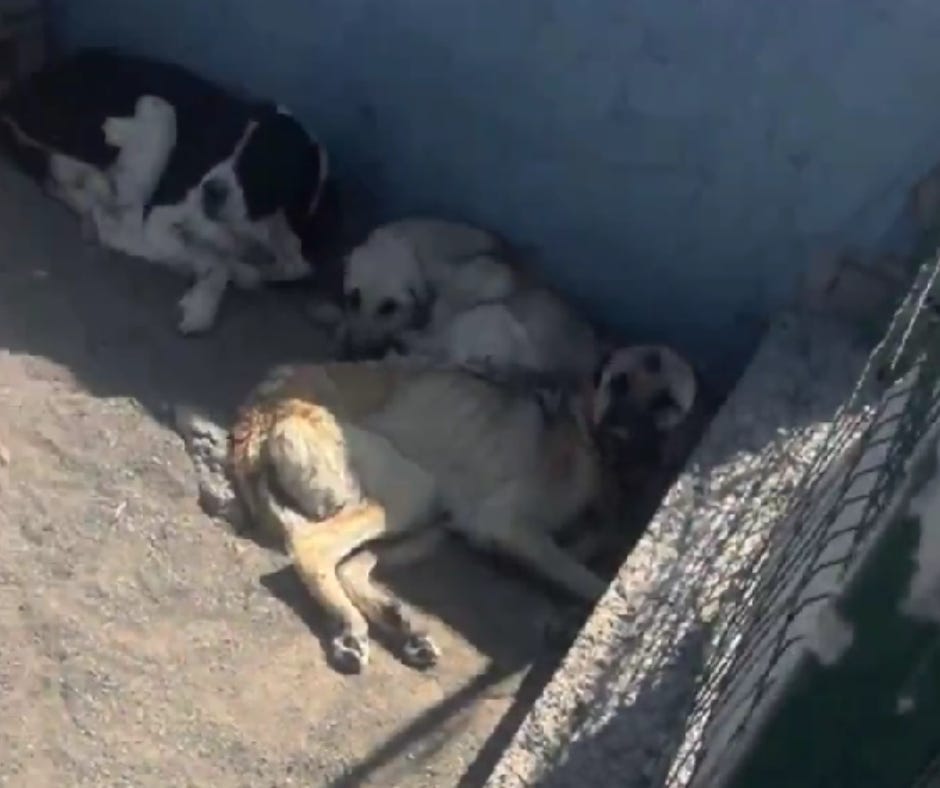
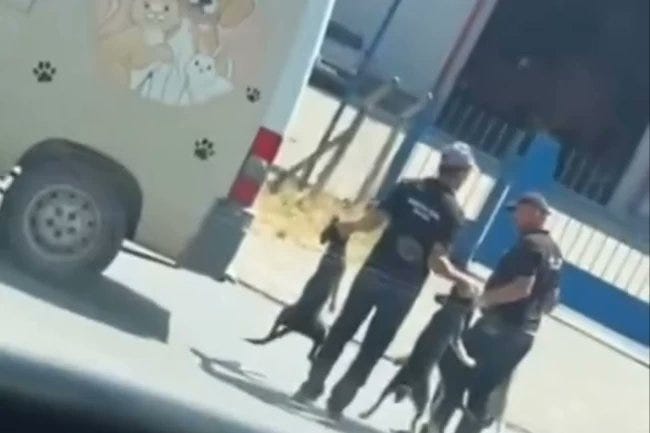
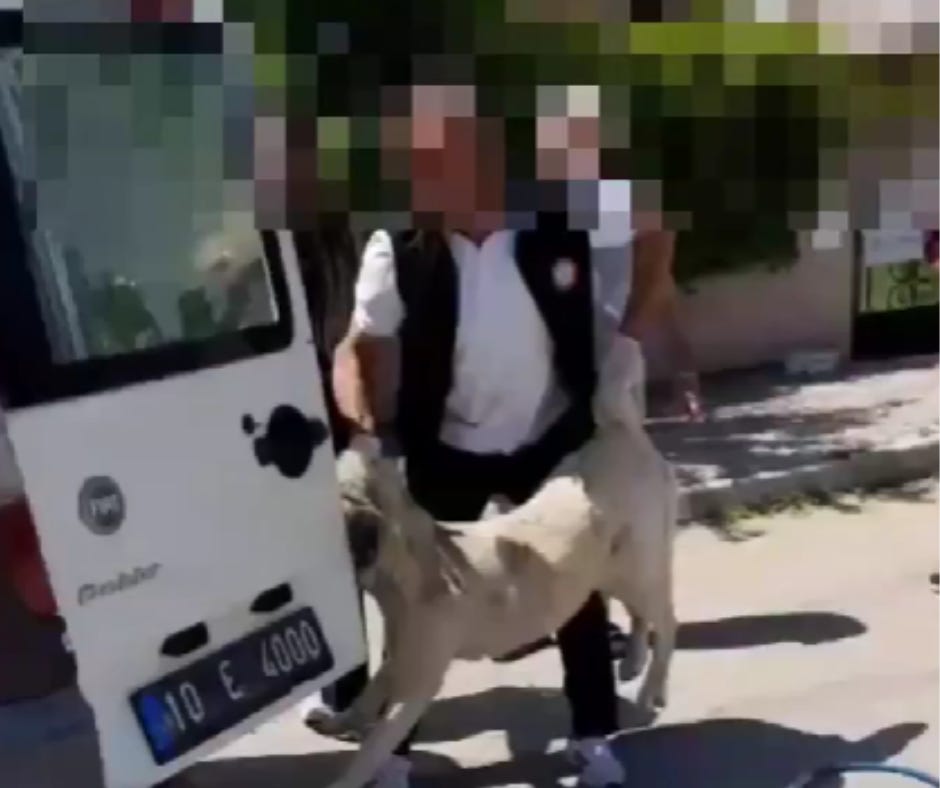
Reports from Kars shelter align with what grassroots carers across the east of the country are witnessing: dogs seized abruptly from the streets and from known feeding points; dogs injured during capture; dogs left in overcrowded pens; dogs dying of preventable causes — starvation, dehydration, exposure, untreated disease. Such outcomes are not “management”; they are cruelty by neglect and, in cases, by direct violence.
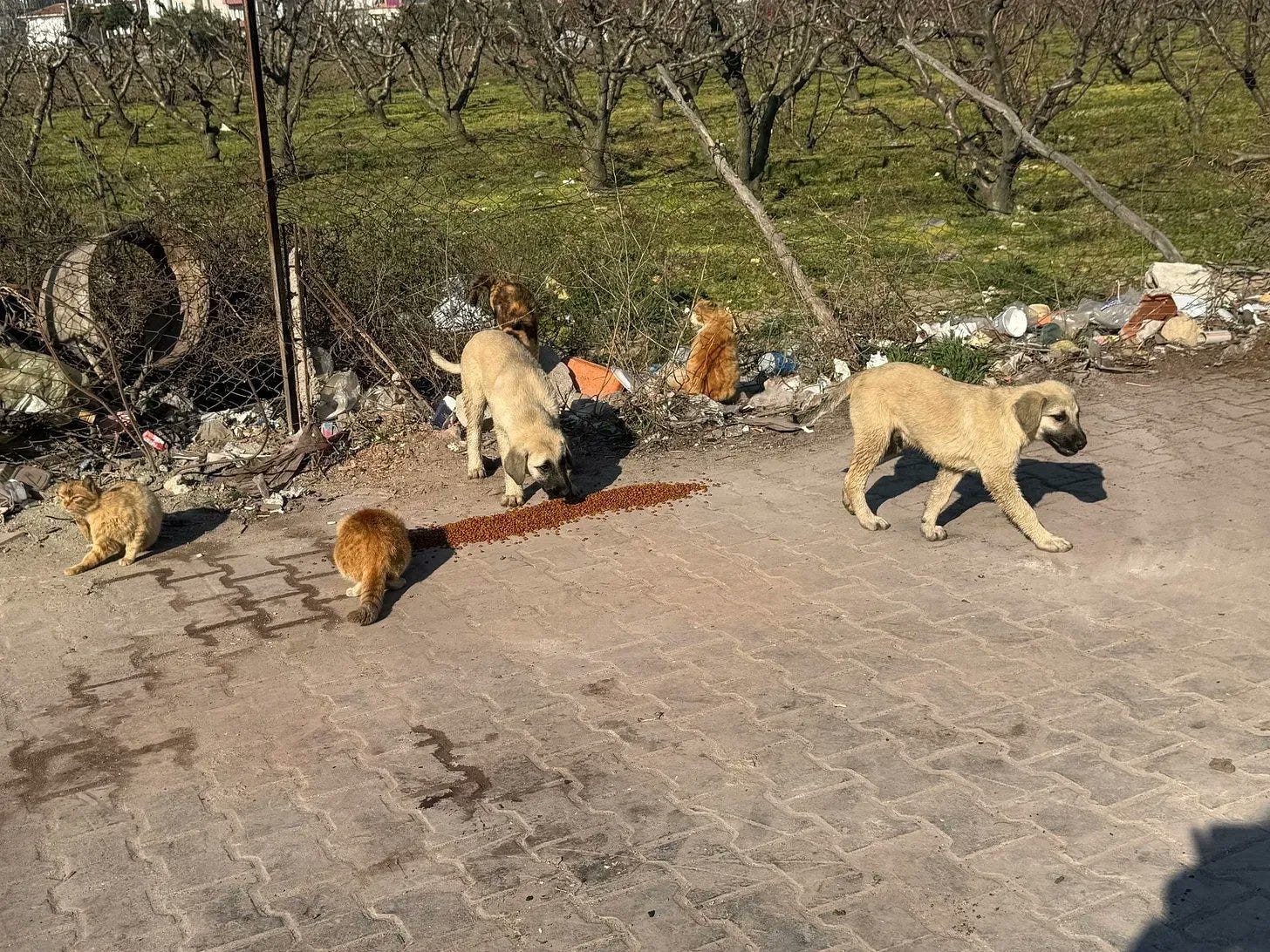
Community carers know this because these are the very dogs they fed daily, neutered, vaccinated, medicated and sheltered as best they could. They know every scar, every quirk, every pecking order in the pack. When those dogs are ripped away, carers are not left with doubt — they are left with the certainty of what happens next.
The Breakage of a Bond
For years, Turkey’s informal safety net for street dogs has been made up of ordinary people: the woman who leaves bowls on her way to work; the shopkeeper who keeps antibiotics behind the counter; the teacher who pays for spay/neuter out of his wages; the retiree who builds winter kennels from scrap wood. They are not an accessory to the system — they are the system’s beating heart.
Removing dogs from their carers does more than disrupt feeding routines. It shatters a living bond that has been painstakingly built on trust. Carers describe waiting at the usual corner at dawn, food in hand, calling names into an empty street. They describe the silence that follows and the hollow terror of imagining a friend — because that is what these dogs are — alone and suffering in a place where help does not come.
“I Am Alive Because They Still Need Me”
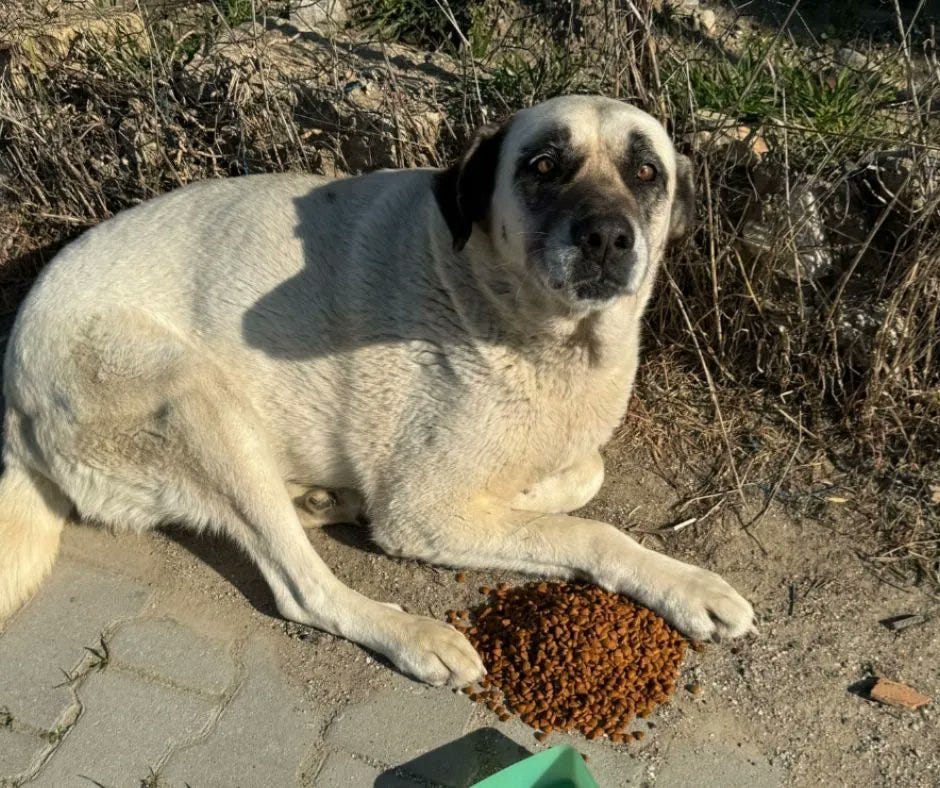
One of our community carers in the east of the country put words to a pain many are carrying. He has contemplated suicide since the dogs under his care were targeted for collection. He remains alive, he told us, because the dogs not yet taken still need him each morning. He cannot abandon them to hunger or to the trucks.
We share this with his permission and with deep caution. It is not sensationalism; it is testimony. When authorities sweep up dogs without food, water, shelter or medical attention, the harm ricochets through human lives. People who have given everything to their animals are left powerless, grieving, and traumatised — often with no avenue for information, let alone redress.
If you are struggling or worried about someone, please reach out to a trusted person, a healthcare professional, or a suicide-prevention service in your country. If anyone is in immediate danger, call your local emergency number.
The Mental-Health Toll, Plainly Stated
Acute grief and traumatic stress. Carers witness capture and hear — or see — what follows. They replay these scenes, unable to intervene.
Moral injury. People forced to stand by while preventable suffering occurs experience a profound violation of their core values.
Chronic anxiety and hypervigilance. Every engine noise can mean a collection truck; every day becomes a patrol to hide or move dogs.
Isolation. Speaking out carries social or legal risk. Many carers suffer in silence, fearing reprisals or further punishment for their dogs.
Depression and suicidal thoughts. Where bonds are deep and outcomes are deadly, hopelessness takes root.
These are predictable, preventable consequences of policies that ignore both animal welfare standards and the human beings who uphold them.
This Is Not Public Safety
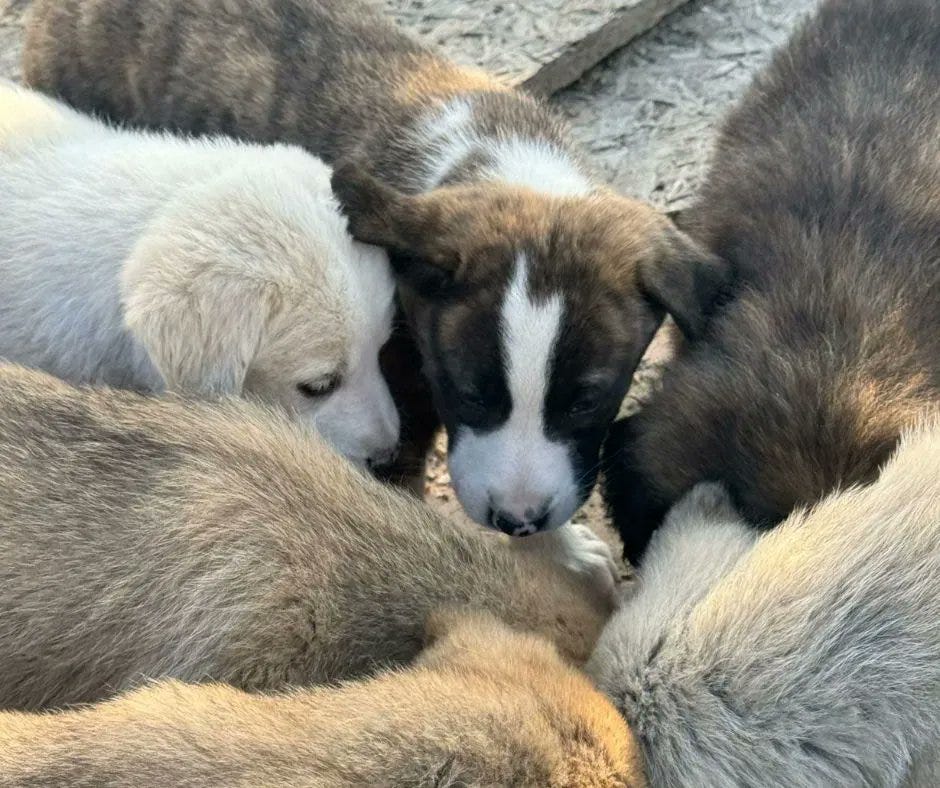
True public safety is built on vaccination, sterilisation, community education, and consistent, humane management — not on violent round-ups that destroy trust and scatter unvaccinated animals out of sight. Starving, overcrowded shelters are disease incubators; cruelty undermines cooperation. When the public sees dogs brutalised, it normalises violence and erodes the social compact that keeps communities humane and safe.
What Must Change — Immediately
A halt to lethal and inhumane practices. No dog should be seized unless there is capacity to provide food, water, shelter, and veterinary care that meets recognised welfare standards.
Transparency and accountability. Intake and outcome data, veterinary logs, and independent inspections for shelters like Kars must be routine and public.
Community-centred programmes. Support, don’t punish, the carers who already feed, vaccinate, and monitor dogs. They are partners — the most cost-effective, humane ones available.
Scale up CNVR (Catch-Neuter-Vaccinate-Return). Evidence-based programmes reduce populations over time without cruelty and with public buy-in.
Mental-health support for carers. Where culls have occurred, provide access to trauma-informed counselling and community support networks — openly and without stigma.
How You Can Help Today
Document and report. If it is safe, record dates, locations, vehicle plates, and conditions. Share responsibly with trusted organisations to protect identities.
Fund life-saving essentials. Donations keep food, vaccines, medical supplies, and emergency boarding available when dogs are at immediate risk.
Amplify voices. Share verified testimonies from carers, vets, and rescuers. Public attention saves lives.
Advocate. Urge local and national authorities to adopt humane, data-driven dog management and to end violent round-ups.
Stand with carers. If you know a feeder or rescuer, check in. Offer practical help: transport, supplies, or simply your presence.
Our Commitment
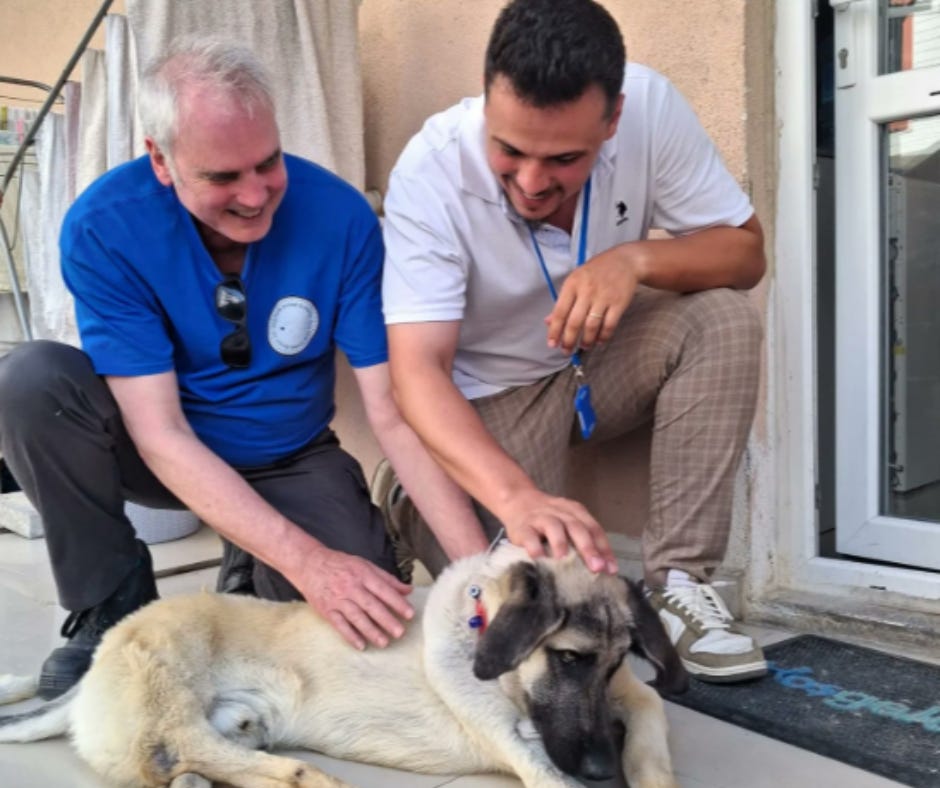
Dog Desk Animal Action stands with community carers across Turkey. We will continue to document conditions, to support humane alternatives, and to protect the people and the dogs who are paying the price of failed policy. No one should feel that their life has value only while a hungry animal depends on them. Every life has inherent worth — human and animal — and every policy that touches those lives must reflect that truth.
If you are a community carer affected by round-ups, you are not alone. Please contact us confidentially. If you are a reader outside Turkey, your solidarity matters more than you know. Together we can demand transparency, push for humane solutions, and keep carers — and the dogs they love — safe.
If you or someone you know is struggling, speak to a healthcare professional or a suicide-prevention service in your country. If someone is in immediate danger, call your local emergency number.