
Saving Seals: How The Human World Negatively Impacts Seals
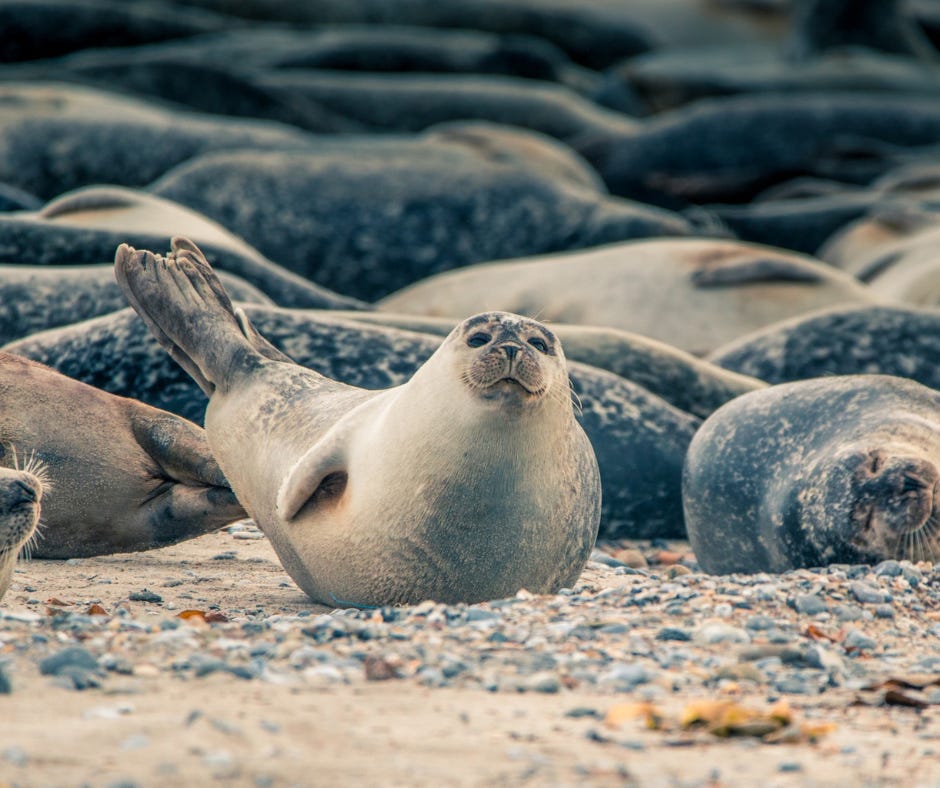
The British coastline teems with life, and among its most captivating inhabitants are seals.
But these seemingly resilient creatures face a multitude of threats, from pollution to human interaction.
In this blog post, I look at a few of the ways we negatively impact seals.
The Perils of Pollution
Marine pollution is a significant threat. Seals frequently become entangled in discarded fishing gear, plastic litter (even frisbees!), and clothing, leading to injuries, infections, and even death.
Oil spills further devastate their habitats and introduce harmful toxins into the food chain.
This highlights the urgent need for us to reduce our personal plastic consumption and support sustainable practices. Simple changes like walking or cycling instead of driving, buying sustainable products, and raising awareness within our communities can make a significant difference.
Understanding Seal Behaviour: A Key to Coexistence
Seals exhibit predictable behaviours, often returning to the same locations at specific times of the year.
However, increased human activity in coastal areas, including coasteering, kayaking, and paddle boarding, is disturbing seals in previously inaccessible habitats.
Understanding these behaviours is key to minimizing human impact.
Observe seals from a distance using binoculars, allowing them to behave naturally without interference.
Never feed seals, as this can lead to dangerous interactions with boats and humans.
Credit The Seal Alliance
Negative Encounters With Humans
Tombstoning, a term often associated with humans jumping from cliffs into water, has unfortunately been observed in seals as well.
This behaviour involves seals leaping from great heights into the ocean, which can lead to severe injuries or even death.
When seals engage in tombstoning, they are at risk of various injuries. The impact from such heights can result in broken bones, internal injuries, or disorientation upon hitting the water.
These injuries can significantly affect their ability to swim and hunt, ultimately impacting their survival.
Efforts to understand and mitigate this behaviour are crucial. Researchers are looking into the environmental conditions as well as human activities that might prompt seals to engage in tombstoning.
Credit The Seal Alliance
When seals stampede, it typically indicates a state of panic or disturbance within their environment.
This behaviour can lead to injuries among the seals themselves, as they may trample one another in their rush to flee.
Additionally, such incidents can disrupt their natural habitat and disturb other wildlife in the area.
It's essential to understand what triggers these stampedes, whether it's human interference, presence of predators, or environmental changes, so that appropriate measures can be taken to prevent them and ensure the safety and well-being of these marine mammals.
Credit The Seal Alliance
Seal Pup Abandonment
There has been some controversy regarding this but I am told by seal experts that the reason for pup abandonment is that which I am going to discuss.
When humans touch a seal cub, the mother may abandon it.
Seals rely heavily on their sense of smell to identify their young. If a cub is handled by humans, the scent may become unfamiliar to the mother, causing her to reject the cub.
It is crucial for people to maintain a respectful distance from wildlife, allowing the natural bond between a mother seal and her cub to remain undisturbed. By doing so, we help ensure the cub's survival and the overall health of seal populations.
Credit The Seal Alliance
The Impact of Noise Pollution
While seals don't use echolocation like dolphins and whales, they are sensitive to sound and vibration.
Noise pollution from ships and offshore wind farms can disrupt their foraging and communication.
However, wind farms can also create improved feeding opportunities for seals, highlighting the complex interplay between human activity and the marine environment.
Attacks from Off Lead Dogs
Dogs off their leads can pose a serious threat to wildlife, including seals.
These attacks can result in severe injuries or even death.
A tragic incident in 2021 highlights this danger when a seal, affectionately known as Freddie, was resting at Teddington lock.
Unfortunately, a dog managed to slip its lead and attacked Freddie, causing injuries so severe that they proved to be fatal.
This sad event underscores the importance of responsible pet ownership and the need for dog owners to keep their pets under control, especially in areas where wildlife may be present.
Credit The Seal Alliance
Protecting Our Shared Coastline
The future of seals depends on our collective responsibility to protect their habitat and minimize human disturbance.
By understanding their behaviour, reducing pollution, and respecting their space, we can ensure these incredible animals continue to thrive along our coastlines for generations to come.


