


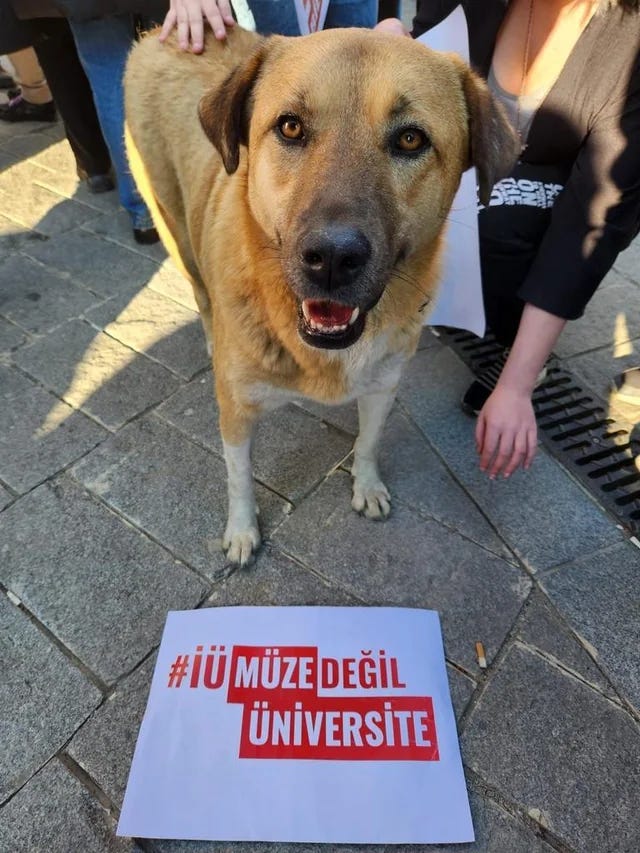
Public protest is the heartbeat of democracy — a way for ordinary citizens to demand accountability from those in power.
Yet in Turkey, despite widespread grievances, demonstrations remain rare and fraught with danger.
The reluctance to protest should not be mistaken for apathy; it is instead the result of a system where dissent is consistently punished.
A Legacy of Repression
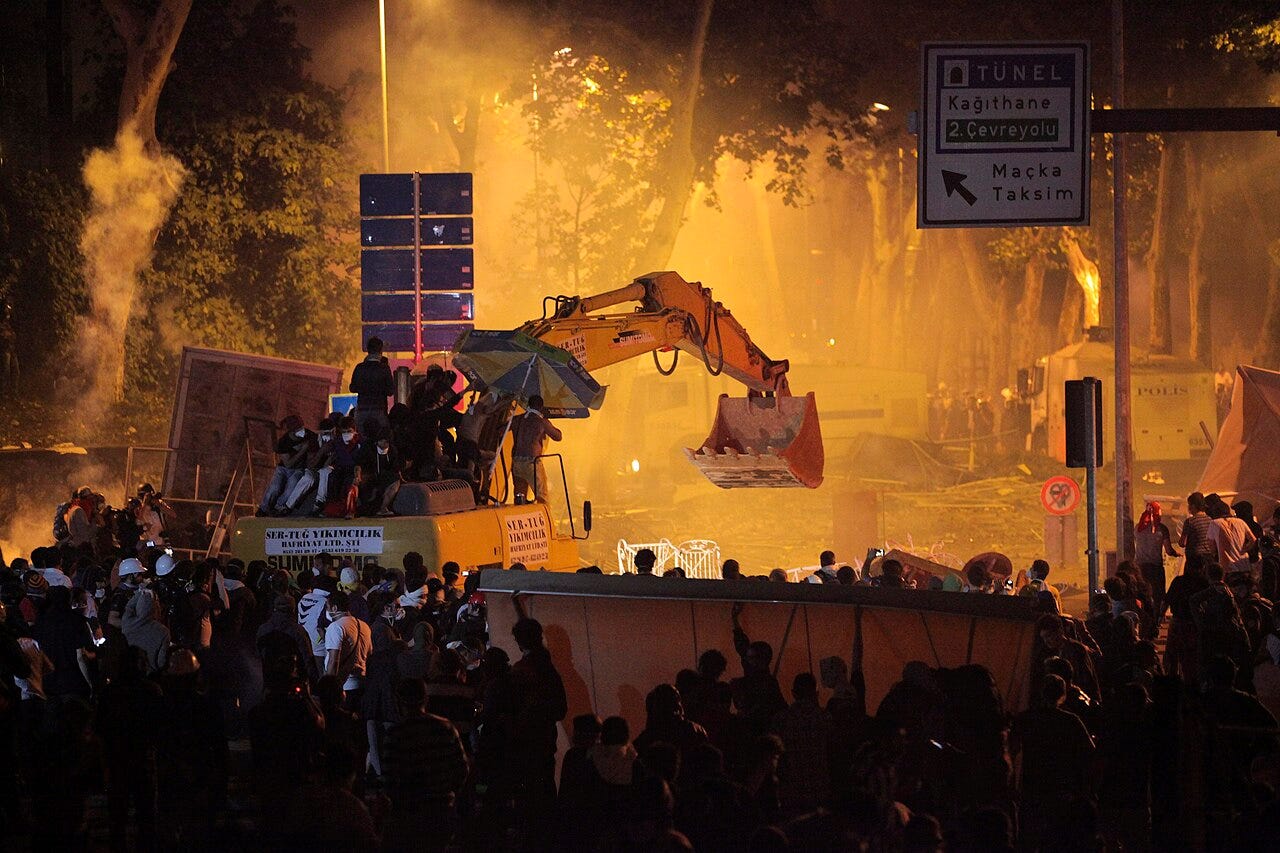
Turkey’s modern history is scarred by moments of political violence, from the aftermath of the 1980 military coup to the forceful suppression of the 2013 Gezi Park protests.
These events left behind more than injuries and arrests; they fostered a deep societal memory that protest carries grave risks
Control of the Media
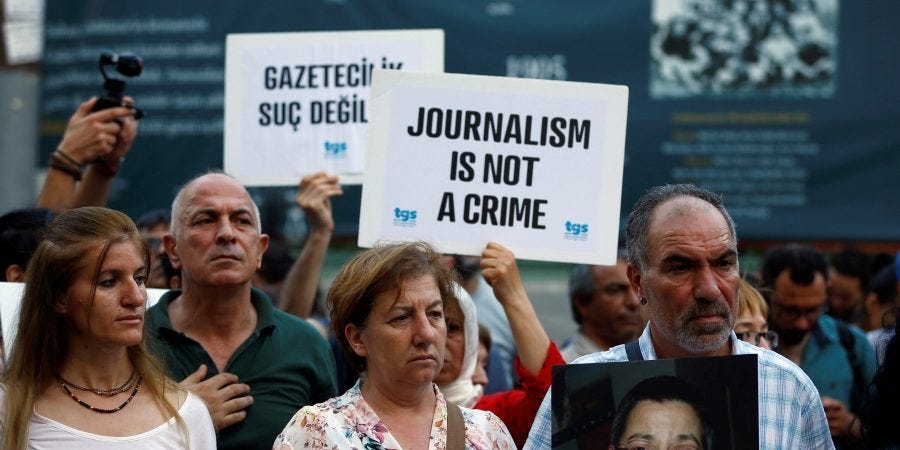
Independent journalism has been systematically eroded.
Dozens of outlets have been shut down, and Turkey continues to rank among the world’s leading jailers of journalists.
State-aligned outlets dominate the airwaves, ensuring that protests are either ignored or painted as dangerous, foreign-influenced plots. For many, this reinforces the fear that their voices will not only go unheard but distorted.
The Cost of Dissent
To protest in Turkey is to risk one’s livelihood.
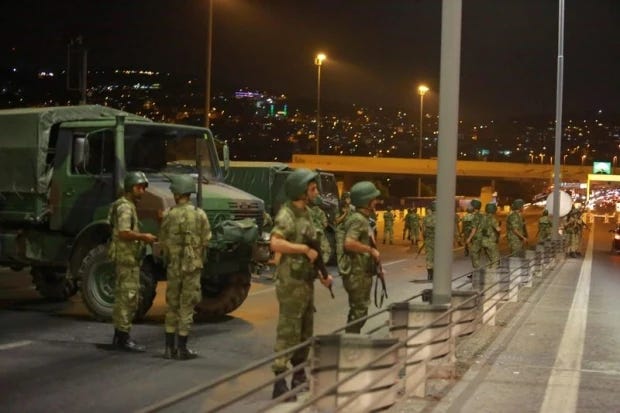
Following the failed coup attempt in 2016, over 100,000 people — from teachers to judges — were purged from their jobs, often barred from future employment in their fields.
These purges sent an unmistakable message: challenging the state can bring lifelong economic ruin.
Policing and Prosecution
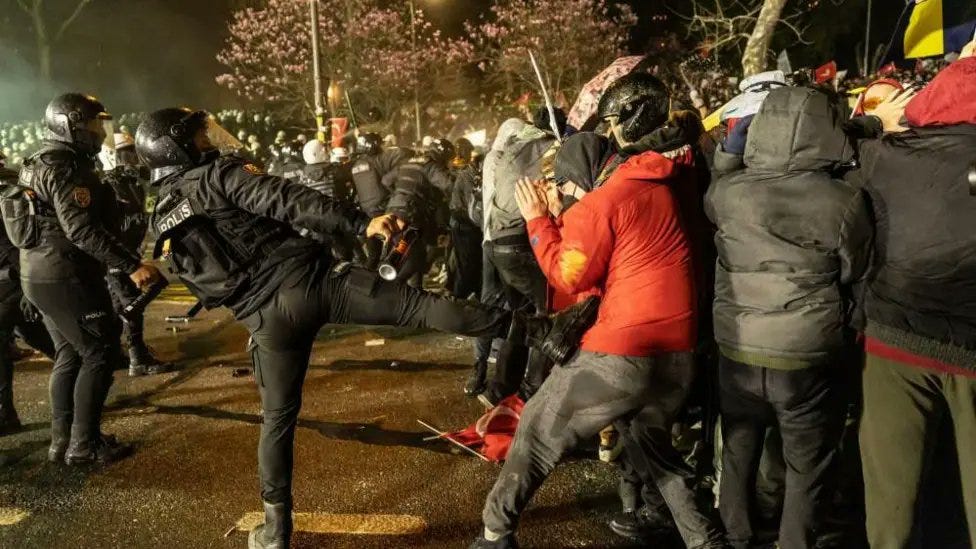
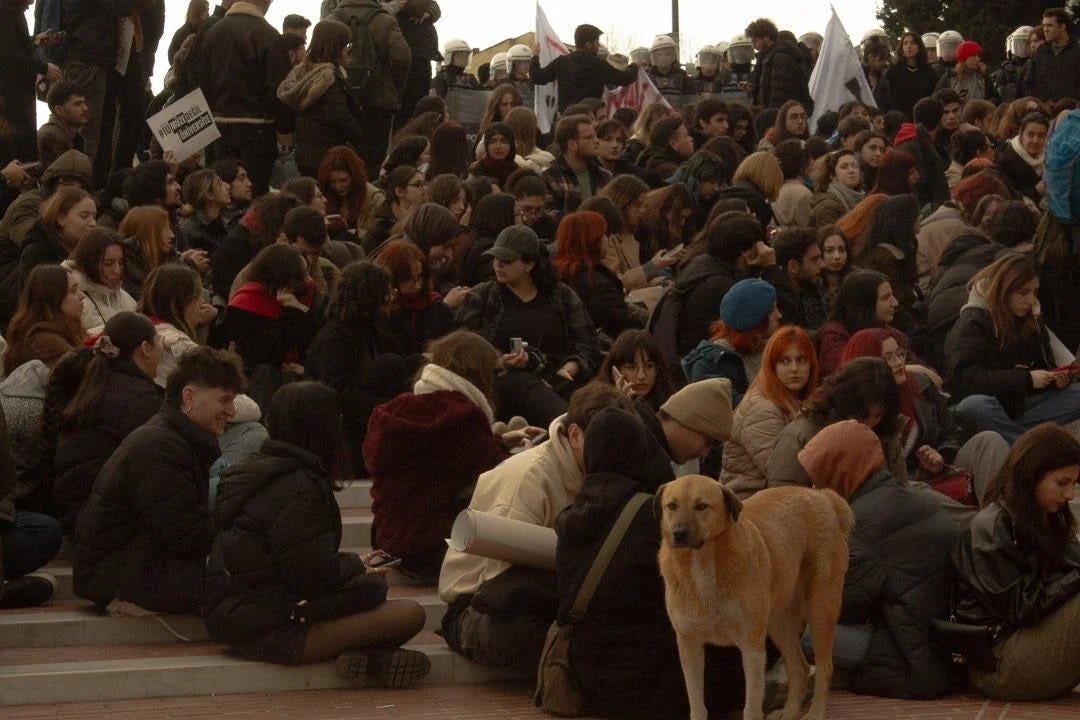
Demonstrations today are met with severe repression. In March 2025, after Istanbul’s opposition mayor Ekrem İmamoğlu was detained, the largest protests in over a decade erupted. Riot police responded with tear gas, water cannons, and mass arrests.
Prosecutors have since sought prison sentences of up to three years for 74 detainees, most of them university students, accused of joining “unauthorised demonstrations” and resisting police orders. Journalists and lawyers were also among those charged, and some detainees face proposed political bans, which would strip them of voting and candidacy rights.
Surveillance and Intimidation
Fear does not end when a protest is dispersed.
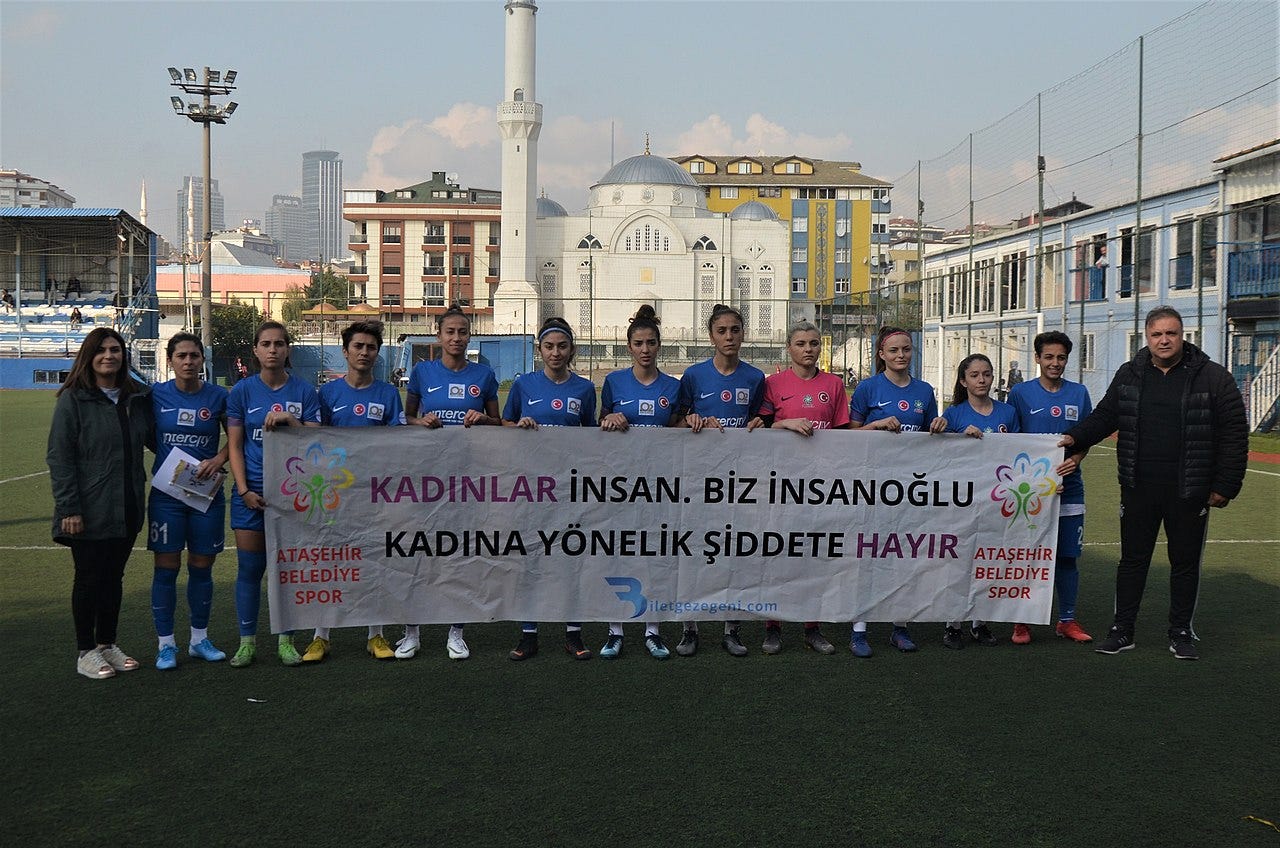
Protesters risk being tracked long afterward through facial recognition systems, social media monitoring, and political profiling.
A single appearance at a rally can leave a permanent mark on someone’s record, jeopardising education, employment, or even personal safety
Fragmented Civil Society and Polarisation
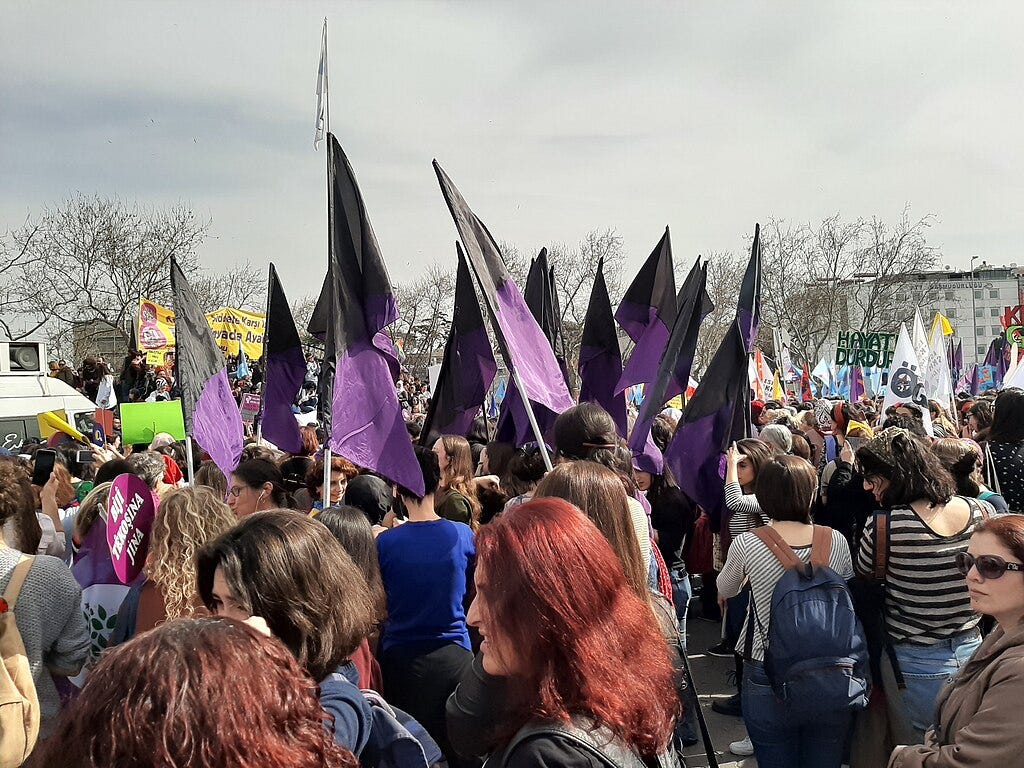
Civil society organisations — crucial in supporting protest movements — face funding restrictions, legal harassment, or outright closure.
Political polarisation also means that protests are often portrayed as partisan campaigns rather than legitimate public grievances.
Citizens know they may be standing alone if they take to the streets, with little institutional support
Economic Insecurity Meets Political Fear
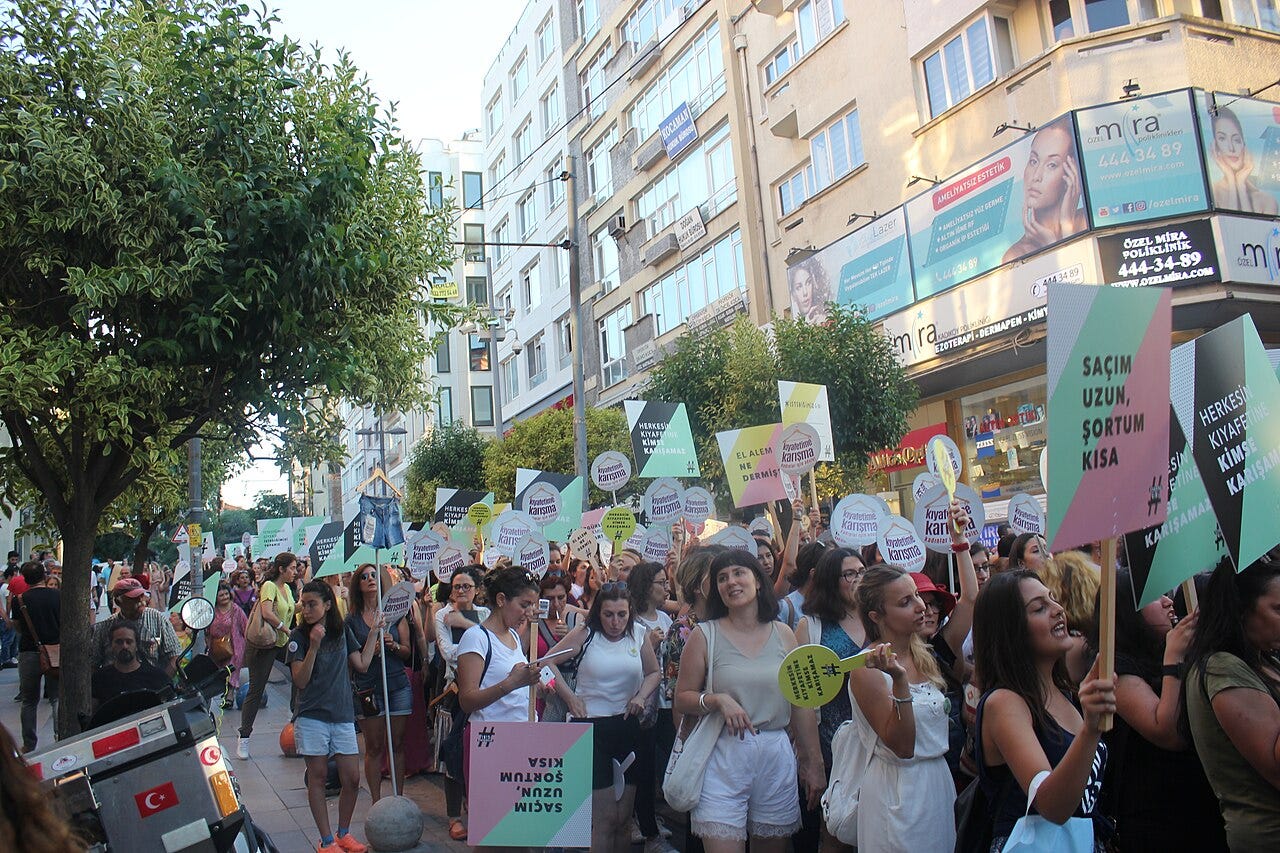
With soaring inflation, unemployment, and a cost-of-living crisis, many citizens already live under intense economic strain.
For them, the risks of losing a job, paying fines, or facing imprisonment make protest unaffordable.
This convergence of economic hardship and political repression deepens the climate of fear, keeping many away from demonstrations
Conclusion
The silence on Turkey’s streets should never be mistaken for indifference. It reflects a calculation: that the risks of protest — from arrest and surveillance to job loss and imprisonment — are too great.
Yet, as the recent protests following İmamoğlu’s detention show, courage persists. Beneath the fear lies a deep hunger for justice and accountability.
Fear may suppress dissent, but history shows it cannot erase it.